







Biotechnology Bulletin ›› 2025, Vol. 41 ›› Issue (11): 236-246.doi: 10.13560/j.cnki.biotech.bull.1985.2025-0582
JIANG Xiao-gang( ), YU Kai-di, GUO Xiao-liang()
Received:2025-06-06
Online:2025-11-26
Published:2025-12-09
Contact:
GUO Xiao-liang
E-mail:jxg154113@163.com;119626192@qq.com
JIANG Xiao-gang, YU Kai-di, GUO Xiao-liang. Construction of Angelica pubescens Core Germplasm and Its Association Analysis of Active Ingredients[J]. Biotechnology Bulletin, 2025, 41(11): 236-246.
性状 Traits | 极小值 Minimal value | 极大值 Maximum value | 平均值 Mean value | 中位数 Median value | 标准差 Standard deviation | 变异系数 Coefficient of variation (%) |
|---|---|---|---|---|---|---|
| 蛇床子素OST | 0.002 | 0.503 | 0.147 | 0.140 | 0.104 | 70.74 |
| 二氢欧山芹醇当归酸酯 CBD | 0.021 | 0.814 | 0.278 | 0.242 | 0.166 | 59.71 |
| 异欧前胡素 IPT | 0.000 | 0.139 | 0.012 | 0.010 | 0.014 | 116.67 |
| 二氢欧山芹醇 CBT | 0.002 | 0.026 | 0.011 | 0.011 | 0.004 | 36.36 |
| 欧前胡素酚 OHN | 0.000 | 0.436 | 0.138 | 0.133 | 0.068 | 49.28 |
| 伞形酮UMB | 0.000 | 0.209 | 0.063 | 0.048 | 0.045 | 71.43 |
| 茎显色程度 JXS | 1 | 4 | 3.228 | 3 | 0.782 | 24.22 |
| 花药显色程度 HYXS | 2 | 3 | 2.179 | 3 | 0.384 | 17.62 |
| 茎生叶叶鞘茸毛丰富程度 YQRM | 1 | 3 | 2.582 | 3 | 0.594 | 23.00 |
| 茎生叶叶鞘茸毛颜色 RMYS | 1 | 3 | 1.363 | 1 | 0.620 | 45.49 |
| 叶鞘颜色YQYS | 1 | 2 | 1.145 | 1 | 0.352 | 30.74 |
Table 1 Variation analysis of traits in 96 Angelica pubescens germplasm resources
性状 Traits | 极小值 Minimal value | 极大值 Maximum value | 平均值 Mean value | 中位数 Median value | 标准差 Standard deviation | 变异系数 Coefficient of variation (%) |
|---|---|---|---|---|---|---|
| 蛇床子素OST | 0.002 | 0.503 | 0.147 | 0.140 | 0.104 | 70.74 |
| 二氢欧山芹醇当归酸酯 CBD | 0.021 | 0.814 | 0.278 | 0.242 | 0.166 | 59.71 |
| 异欧前胡素 IPT | 0.000 | 0.139 | 0.012 | 0.010 | 0.014 | 116.67 |
| 二氢欧山芹醇 CBT | 0.002 | 0.026 | 0.011 | 0.011 | 0.004 | 36.36 |
| 欧前胡素酚 OHN | 0.000 | 0.436 | 0.138 | 0.133 | 0.068 | 49.28 |
| 伞形酮UMB | 0.000 | 0.209 | 0.063 | 0.048 | 0.045 | 71.43 |
| 茎显色程度 JXS | 1 | 4 | 3.228 | 3 | 0.782 | 24.22 |
| 花药显色程度 HYXS | 2 | 3 | 2.179 | 3 | 0.384 | 17.62 |
| 茎生叶叶鞘茸毛丰富程度 YQRM | 1 | 3 | 2.582 | 3 | 0.594 | 23.00 |
| 茎生叶叶鞘茸毛颜色 RMYS | 1 | 3 | 1.363 | 1 | 0.620 | 45.49 |
| 叶鞘颜色YQYS | 1 | 2 | 1.145 | 1 | 0.352 | 30.74 |
性状 Traits | 二氢欧山芹醇CBT | 蛇床子素OST | 异欧前胡素IPT | 二氢欧山芹醇当归酸酯CBD | 欧前胡素酚OHN | 伞形酮UMB | 茎显色程度JXS | 花药显色程度HYXS | 茎生叶叶鞘茸毛丰富程度YQRM | 茎生叶叶鞘茸毛颜色RMYS | 叶鞘颜色YQYS |
|---|---|---|---|---|---|---|---|---|---|---|---|
| 二氢欧山芹醇CBT | 0.074 | -0.213 | -0.279 | 0.369** | 0.255* | 0.051 | -0.003 | 0.250* | -0.093 | -0.070 | |
| 蛇床子素OST | 0.074 | 0.007 | -0.185 | 0.023 | 0.156 | 0.089 | 0.013 | 0.126 | -0.236 | 0.084 | |
| 异欧前胡素IPT | -0.213 | 0.007 | -0.118 | -0.086 | -0.056 | -0.127 | 0.130 | -0.065 | -0.080 | -0.070 | |
| 二氢欧山芹醇当归酸酯CBD | -0.279 | -0.185 | -0.118 | -0.047 | -0.198 | -0.176 | 0.123 | -0.214 | 0.104 | 0.054 | |
| 欧前胡素酚OHN | 0.369** | 0.023 | -0.086 | -0.047 | 0.390** | -0.076 | 0.110 | 0.246* | -0.129 | -0.159 | |
| 伞形酮UMB | 0.255* | 0.156 | -0.056 | -0.198 | 0.390** | -0.059 | 0.035 | 0.179 | -0.174 | -0.038 | |
| 茎显色程度JXS | 0.051 | 0.089 | -0.127 | -0.176 | -0.076 | -0.059 | -0.050 | 0.150 | 0.435** | 0.202 | |
| 花药显色程度HYXS | -0.003 | 0.013 | 0.130 | 0.123 | 0.110 | 0.035 | -0.050 | 0.108 | -0.072 | 0.152 | |
| 茎生叶叶鞘茸毛丰富程度YQRM | 0.250* | 0.126 | -0.065 | -0.214 | 0.246* | 0.179 | 0.150 | 0.108 | -0.213 | -0.321 | |
| 茎生叶叶鞘茸毛颜色RMYS | -0.093 | -0.236 | -0.080 | 0.104 | -0.129 | -0.174 | 0.435** | -0.072 | -0.213 | 0.609** | |
| 叶鞘颜色YQYS | -0.070 | 0.084 | -0.070 | 0.054 | -0.159 | -0.038 | 0.202 | 0.152 | -0.321 | 0.609** |
Table 2 Correlation analysis of 96 A. pubescens germplasm resources
性状 Traits | 二氢欧山芹醇CBT | 蛇床子素OST | 异欧前胡素IPT | 二氢欧山芹醇当归酸酯CBD | 欧前胡素酚OHN | 伞形酮UMB | 茎显色程度JXS | 花药显色程度HYXS | 茎生叶叶鞘茸毛丰富程度YQRM | 茎生叶叶鞘茸毛颜色RMYS | 叶鞘颜色YQYS |
|---|---|---|---|---|---|---|---|---|---|---|---|
| 二氢欧山芹醇CBT | 0.074 | -0.213 | -0.279 | 0.369** | 0.255* | 0.051 | -0.003 | 0.250* | -0.093 | -0.070 | |
| 蛇床子素OST | 0.074 | 0.007 | -0.185 | 0.023 | 0.156 | 0.089 | 0.013 | 0.126 | -0.236 | 0.084 | |
| 异欧前胡素IPT | -0.213 | 0.007 | -0.118 | -0.086 | -0.056 | -0.127 | 0.130 | -0.065 | -0.080 | -0.070 | |
| 二氢欧山芹醇当归酸酯CBD | -0.279 | -0.185 | -0.118 | -0.047 | -0.198 | -0.176 | 0.123 | -0.214 | 0.104 | 0.054 | |
| 欧前胡素酚OHN | 0.369** | 0.023 | -0.086 | -0.047 | 0.390** | -0.076 | 0.110 | 0.246* | -0.129 | -0.159 | |
| 伞形酮UMB | 0.255* | 0.156 | -0.056 | -0.198 | 0.390** | -0.059 | 0.035 | 0.179 | -0.174 | -0.038 | |
| 茎显色程度JXS | 0.051 | 0.089 | -0.127 | -0.176 | -0.076 | -0.059 | -0.050 | 0.150 | 0.435** | 0.202 | |
| 花药显色程度HYXS | -0.003 | 0.013 | 0.130 | 0.123 | 0.110 | 0.035 | -0.050 | 0.108 | -0.072 | 0.152 | |
| 茎生叶叶鞘茸毛丰富程度YQRM | 0.250* | 0.126 | -0.065 | -0.214 | 0.246* | 0.179 | 0.150 | 0.108 | -0.213 | -0.321 | |
| 茎生叶叶鞘茸毛颜色RMYS | -0.093 | -0.236 | -0.080 | 0.104 | -0.129 | -0.174 | 0.435** | -0.072 | -0.213 | 0.609** | |
| 叶鞘颜色YQYS | -0.070 | 0.084 | -0.070 | 0.054 | -0.159 | -0.038 | 0.202 | 0.152 | -0.321 | 0.609** |
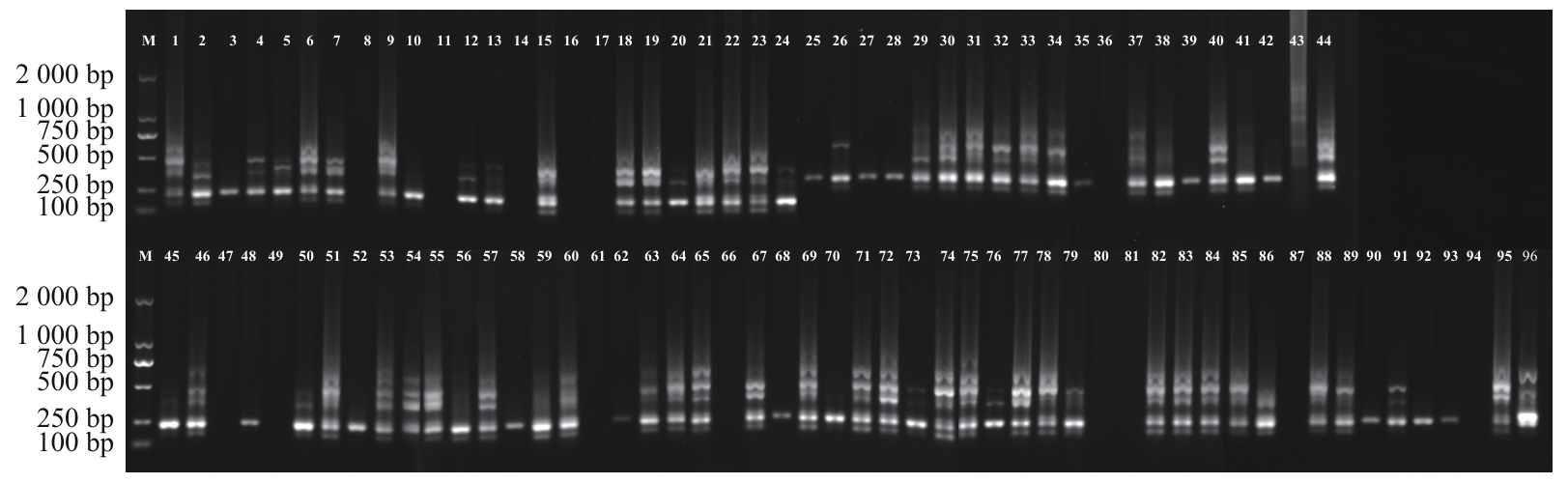
Fig. 1 Amplifying results of genetic diversity from 96 A. pubescens germplasms using primer UBC807M: DL2000 DNA marker. 1-96: The sample names of 96 germplasms
种质来源 Germplasm source | 观测等位基因数Na | 有效等位基因数Ne | Nei’s基因多样性指数H | Shannon’s信息指数I | 遗传分化系数Gst | 基因流Nm |
|---|---|---|---|---|---|---|
| 建始 Jianshi | 1.883 3 | 1.490 0 | 0.293 8 | 0.445 2 | 0.112 6 | 3.939 4 |
| 巴东 Badong | 1.983 3 | 1.494 1 | 0.298 5 | 0.457 2 | ||
| 五峰 Wufeng | 1.883 3 | 1.520 9 | 0.304 3 | 0.456 4 | ||
| 均值 Mean value | 1.916 6 | 1.500 7 | 0.298 9 | 0.452 9 | - | - |
Table 3 Genetic diversity analysis of different populations of A. pubescens
种质来源 Germplasm source | 观测等位基因数Na | 有效等位基因数Ne | Nei’s基因多样性指数H | Shannon’s信息指数I | 遗传分化系数Gst | 基因流Nm |
|---|---|---|---|---|---|---|
| 建始 Jianshi | 1.883 3 | 1.490 0 | 0.293 8 | 0.445 2 | 0.112 6 | 3.939 4 |
| 巴东 Badong | 1.983 3 | 1.494 1 | 0.298 5 | 0.457 2 | ||
| 五峰 Wufeng | 1.883 3 | 1.520 9 | 0.304 3 | 0.456 4 | ||
| 均值 Mean value | 1.916 6 | 1.500 7 | 0.298 9 | 0.452 9 | - | - |
种质来源 Germplasm source | 建始 Jianshi | 巴东 Badong | 五峰 Wufeng |
|---|---|---|---|
| 建始 Jianshi | - | 0.924 4 | 0.924 6 |
| 巴东 Badong | 0.078 6 | - | 0.926 8 |
| 五峰 Wufeng | 0.078 4 | 0.076 1 | - |
Table 4 Genetic consistency and genetic distance of A. pubescens germplasm from different sources
种质来源 Germplasm source | 建始 Jianshi | 巴东 Badong | 五峰 Wufeng |
|---|---|---|---|
| 建始 Jianshi | - | 0.924 4 | 0.924 6 |
| 巴东 Badong | 0.078 6 | - | 0.926 8 |
| 五峰 Wufeng | 0.078 4 | 0.076 1 | - |
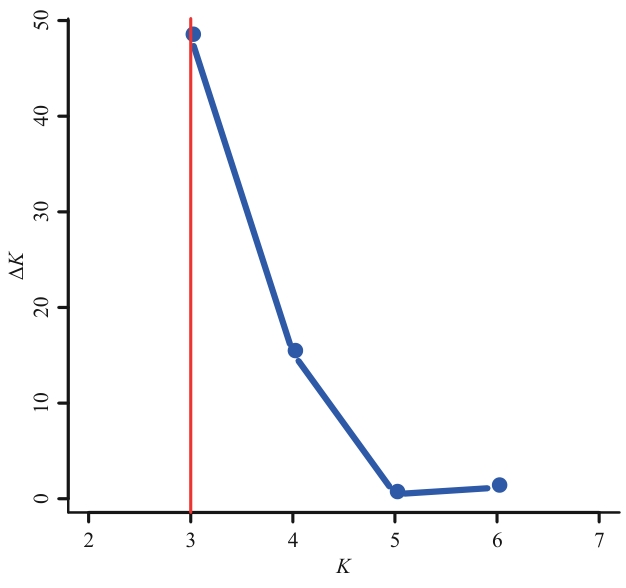
Fig. 2 Distribution of ΔK value with K value using Structure software
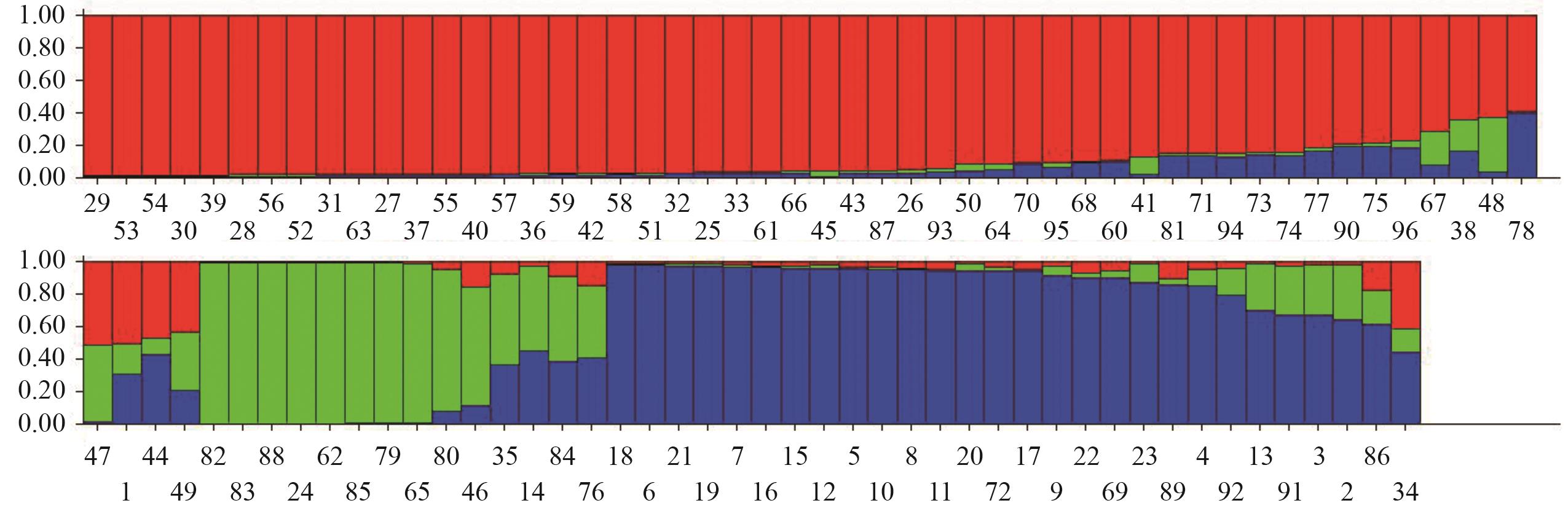
Fig. 3 Individual distribution in the structural analysis of population1-96: The germplasm numbers of A. pubescens
| 亚群 Subgroup | N | Na | Ne | I | Ho | He |
|---|---|---|---|---|---|---|
| Cluster 1 | 49 | 1.900 | 1.485 | 0.441 | 0.290 | 0.297 |
| Cluster 2 | 10 | 0.733 | 1.181 | 0.171 | 0.110 | 0.123 |
| Cluster 3 | 27 | 1.633 | 1.438 | 0.392 | 0.258 | 0.268 |
Table 5 Genetic diversity index of different subgroups of A. pubescens
| 亚群 Subgroup | N | Na | Ne | I | Ho | He |
|---|---|---|---|---|---|---|
| Cluster 1 | 49 | 1.900 | 1.485 | 0.441 | 0.290 | 0.297 |
| Cluster 2 | 10 | 0.733 | 1.181 | 0.171 | 0.110 | 0.123 |
| Cluster 3 | 27 | 1.633 | 1.438 | 0.392 | 0.258 | 0.268 |
来源 Source | 自由度 Degree of freedom | 平方和 Square sum | 均方 Mean square | 估算的差异值 Estimated difference value | 变异百分比 Variation percentage (%) |
|---|---|---|---|---|---|
| 亚群间 Between subgroups | 2 | 194.330 | 97.165 | 3.679 | 31 |
| 亚群内 Within subgroups | 83 | 669.380 | 8.065 | 8.065 | 69 |
| 总和 Total | 85 | 863.709 | - | 11.743 | 100 |
Table 6 Analysis of variance for molecular genetic variation of different subgroups of A. pubescens
来源 Source | 自由度 Degree of freedom | 平方和 Square sum | 均方 Mean square | 估算的差异值 Estimated difference value | 变异百分比 Variation percentage (%) |
|---|---|---|---|---|---|
| 亚群间 Between subgroups | 2 | 194.330 | 97.165 | 3.679 | 31 |
| 亚群内 Within subgroups | 83 | 669.380 | 8.065 | 8.065 | 69 |
| 总和 Total | 85 | 863.709 | - | 11.743 | 100 |
取样比例 Sampling ratio (%) | 种质数 Number of germplasms | 均值差异百分率 Mean difference percentage (%) | 方差差异百分率 Variance difference percentage (%) | 极差符合率 Coincidence rate of range (%) | 变异系数变化率 Variable rate of coefficient of variation (%) |
|---|---|---|---|---|---|
| 58.3 | 56 | 16.7 | 16.7 | 96.4 | 101.8 |
| 49.0 | 47 | 16.7 | 16.7 | 84.0 | 97.8 |
| 38.5 | 37 | 16.7 | 16.7 | 82.8 | 100.4 |
| 28.1 | 27 | 16.7 | 16.7 | 77.0 | 99.6 |
| 25.0 | 24 | 16.7 | 16.7 | 77.0 | 97.1 |
| 20.8 | 20 | 16.7 | 16.7 | 77.0 | 101.8 |
| 15.6 | 15 | 16.7 | 16.7 | 54.7 | 73.1 |
Table 7 Comparison of evaluation parameters for primary selection of core germplasm and original germplasm
取样比例 Sampling ratio (%) | 种质数 Number of germplasms | 均值差异百分率 Mean difference percentage (%) | 方差差异百分率 Variance difference percentage (%) | 极差符合率 Coincidence rate of range (%) | 变异系数变化率 Variable rate of coefficient of variation (%) |
|---|---|---|---|---|---|
| 58.3 | 56 | 16.7 | 16.7 | 96.4 | 101.8 |
| 49.0 | 47 | 16.7 | 16.7 | 84.0 | 97.8 |
| 38.5 | 37 | 16.7 | 16.7 | 82.8 | 100.4 |
| 28.1 | 27 | 16.7 | 16.7 | 77.0 | 99.6 |
| 25.0 | 24 | 16.7 | 16.7 | 77.0 | 97.1 |
| 20.8 | 20 | 16.7 | 16.7 | 77.0 | 101.8 |
| 15.6 | 15 | 16.7 | 16.7 | 54.7 | 73.1 |
主成分 Principal component | 原始群体 Original population | 核心种质 Core collection | |||||
|---|---|---|---|---|---|---|---|
特征值 Eigenvalue | 贡献率 Contribution rate (%) | 累计贡献率 Cumulative contribution rate (%) | 特征值 Eigenvalue | 贡献率 Contribution rate (%) | 累计贡献率 Cumulative contribution rate (%) | ||
| 1 | 1.865 | 31.075 | 31.075 | 1.970 | 32.825 | 32.825 | |
| 2 | 1.202 | 20.033 | 51.109 | 1.258 | 20.971 | 53.796 | |
Table 8 Principal component analysis of core germplasm and primitive population
主成分 Principal component | 原始群体 Original population | 核心种质 Core collection | |||||
|---|---|---|---|---|---|---|---|
特征值 Eigenvalue | 贡献率 Contribution rate (%) | 累计贡献率 Cumulative contribution rate (%) | 特征值 Eigenvalue | 贡献率 Contribution rate (%) | 累计贡献率 Cumulative contribution rate (%) | ||
| 1 | 1.865 | 31.075 | 31.075 | 1.970 | 32.825 | 32.825 | |
| 2 | 1.202 | 20.033 | 51.109 | 1.258 | 20.971 | 53.796 | |
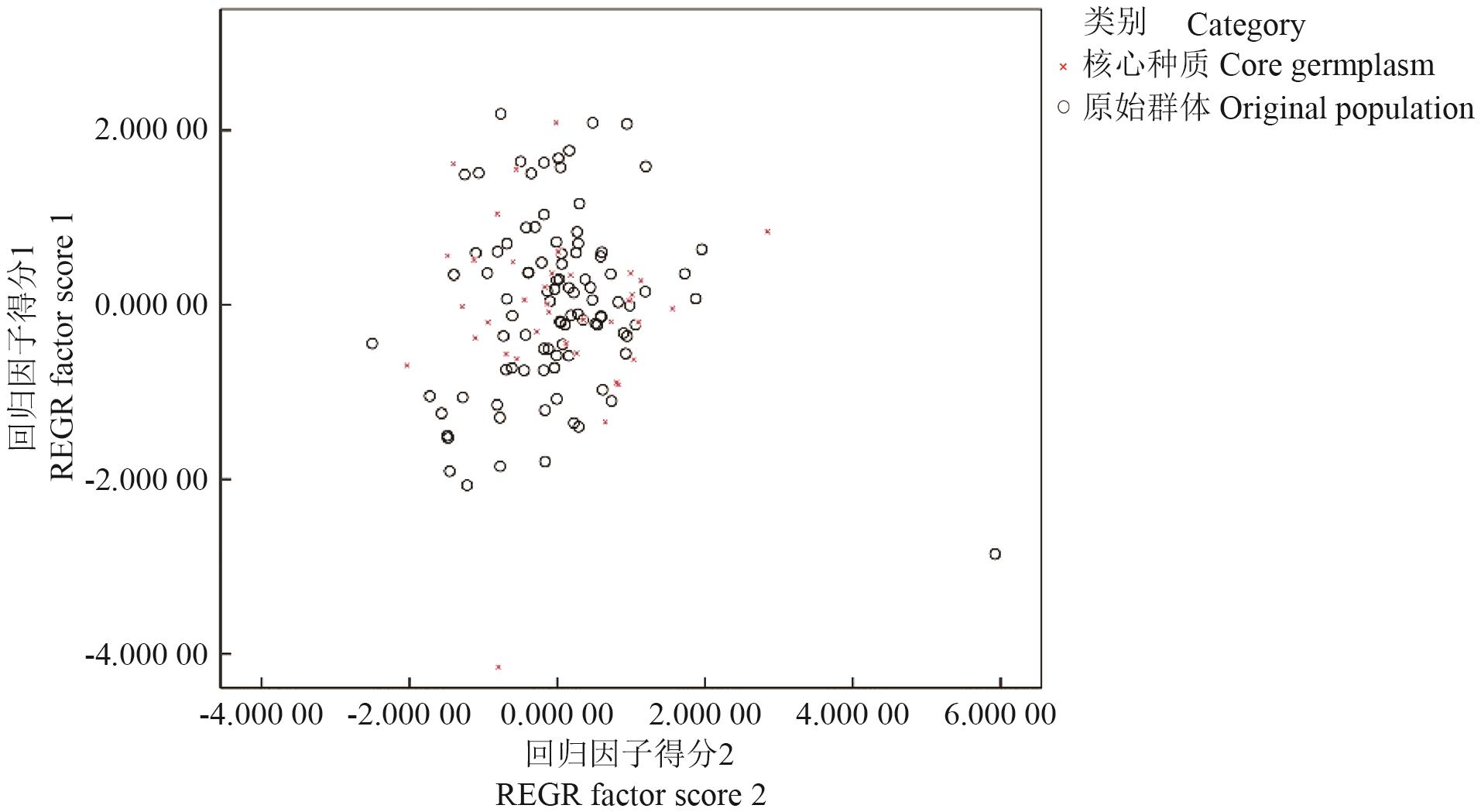
Fig. 4 Principal coordinate distribution of core germplasm and original germplasm
模型 Model | FarmCPU | GLM | MLM | |||||||
|---|---|---|---|---|---|---|---|---|---|---|
有效成分 Effective component | 标记 Marker | P | 有效成分 Effective component | 标记 Marker | P | 有效成分 Effective component | 标记 Marker | P | ||
有效成分含量与ISSR标记的关联 ISSR markers associated with the contents of active ingredients | CBD | UBC 810 | 0.037 8* | CBD | UBC 812 | 0.033 5* | CBD | UBC 812 | 0.032 3* | |
| CBD | UBC 812 | 0.003 9** | CBD | UBC 816 | 0.020 7* | CBD | UBC 816 | 0.029 2* | ||
| CBD | UBC 816 | 0.004 3** | CBD | UBC 819 | 0.018 1* | CBD | UBC 819 | 0.015 3* | ||
| CBD | UBC 817 | 0.005 3** | CBT | UBC 812 | 0.026 2* | CBT | UBC 816 | 0.003 5** | ||
| CBD | UBC 819 | 0.008 2** | CBT | UBC 816 | 0.001 3** | CBT | UBC 817 | 0.011 9* | ||
| CBT | UBC 812 | 0.020 6* | CBT | UBC 817 | 0.022 1* | IPT | UBC 819 | 3.45×10⁻⁶** | ||
| CBT | UBC 816 | 0.000 9** | IPT | UBC 807 | 0.035 4* | OST | UBC 812 | 0.033 8* | ||
| CBT | UBC 817 | 0.011 2* | IPT | UBC 816 | 0.005 5** | OST | UBC 819 | 0.031 4* | ||
| IPT | UBC 807 | 0.018 9* | IPT | UBC 817 | 0.005 6** | UMB | UBC 810 | 0.044 1* | ||
| IPT | UBC 812 | 0.004 9** | IPT | UBC 819 | 1.62×10-07** | UMB | UBC 812 | 0.031 1* | ||
| IPT | UBC 816 | 0.039 1* | OHN | UBC 816 | 0.026 1* | UMB | ||||
| IPT | UBC 817 | 0.004 6** | OST | UBC 816 | 0.026 3* | |||||
| IPT | UBC 819 | 6.79×10⁻¹⁰** | OST | UBC 819 | 0.036 8* | |||||
| OST | UBC 812 | 0.030 3* | UMB | UBC 810 | 0.044 4* | |||||
| OST | UBC 819 | 0.028 0* | UMB | UBC 812 | 0.027 3* | |||||
| UMB | UBC 810 | 0.022 4* | UMB | UBC 819 | 0.040 6* | |||||
| UMB | UBC 812 | 0.019 1* | ||||||||
| UMB | UBC 817 | 0.045 6* | ||||||||
| UMB | UBC 819 | 0.048 6* | ||||||||
Table 9 ISSR markers associated with the contents of active ingredients in FarmCPU, GLM, and MLM models
模型 Model | FarmCPU | GLM | MLM | |||||||
|---|---|---|---|---|---|---|---|---|---|---|
有效成分 Effective component | 标记 Marker | P | 有效成分 Effective component | 标记 Marker | P | 有效成分 Effective component | 标记 Marker | P | ||
有效成分含量与ISSR标记的关联 ISSR markers associated with the contents of active ingredients | CBD | UBC 810 | 0.037 8* | CBD | UBC 812 | 0.033 5* | CBD | UBC 812 | 0.032 3* | |
| CBD | UBC 812 | 0.003 9** | CBD | UBC 816 | 0.020 7* | CBD | UBC 816 | 0.029 2* | ||
| CBD | UBC 816 | 0.004 3** | CBD | UBC 819 | 0.018 1* | CBD | UBC 819 | 0.015 3* | ||
| CBD | UBC 817 | 0.005 3** | CBT | UBC 812 | 0.026 2* | CBT | UBC 816 | 0.003 5** | ||
| CBD | UBC 819 | 0.008 2** | CBT | UBC 816 | 0.001 3** | CBT | UBC 817 | 0.011 9* | ||
| CBT | UBC 812 | 0.020 6* | CBT | UBC 817 | 0.022 1* | IPT | UBC 819 | 3.45×10⁻⁶** | ||
| CBT | UBC 816 | 0.000 9** | IPT | UBC 807 | 0.035 4* | OST | UBC 812 | 0.033 8* | ||
| CBT | UBC 817 | 0.011 2* | IPT | UBC 816 | 0.005 5** | OST | UBC 819 | 0.031 4* | ||
| IPT | UBC 807 | 0.018 9* | IPT | UBC 817 | 0.005 6** | UMB | UBC 810 | 0.044 1* | ||
| IPT | UBC 812 | 0.004 9** | IPT | UBC 819 | 1.62×10-07** | UMB | UBC 812 | 0.031 1* | ||
| IPT | UBC 816 | 0.039 1* | OHN | UBC 816 | 0.026 1* | UMB | ||||
| IPT | UBC 817 | 0.004 6** | OST | UBC 816 | 0.026 3* | |||||
| IPT | UBC 819 | 6.79×10⁻¹⁰** | OST | UBC 819 | 0.036 8* | |||||
| OST | UBC 812 | 0.030 3* | UMB | UBC 810 | 0.044 4* | |||||
| OST | UBC 819 | 0.028 0* | UMB | UBC 812 | 0.027 3* | |||||
| UMB | UBC 810 | 0.022 4* | UMB | UBC 819 | 0.040 6* | |||||
| UMB | UBC 812 | 0.019 1* | ||||||||
| UMB | UBC 817 | 0.045 6* | ||||||||
| UMB | UBC 819 | 0.048 6* | ||||||||
标记名称 Marker name | 引物序列 Primer sequence (5′‒3′) | 片段大小 Fragment size (bp) |
|---|---|---|
| UBC 807 | AGAGAGAGAGAGAGAGT | 175-625 |
| UBC 810 | GAGAGAGAGAGAGAGAT | 200-625 |
| UBC 812 | GAGAGAGAGAGAGAGAA | 250-875 |
| UBC 816 | CACACACACACACACAT | 175-1 000 |
| UBC 817 | CACACACACACACACAA | 175-750 |
| UBC 819 | GTGTGTGTGTGTGTGTA | 175-1 000 |
Table 10 ISSR primer information significantly associated with active ingredient content
标记名称 Marker name | 引物序列 Primer sequence (5′‒3′) | 片段大小 Fragment size (bp) |
|---|---|---|
| UBC 807 | AGAGAGAGAGAGAGAGT | 175-625 |
| UBC 810 | GAGAGAGAGAGAGAGAT | 200-625 |
| UBC 812 | GAGAGAGAGAGAGAGAA | 250-875 |
| UBC 816 | CACACACACACACACAT | 175-1 000 |
| UBC 817 | CACACACACACACACAA | 175-750 |
| UBC 819 | GTGTGTGTGTGTGTGTA | 175-1 000 |
| [1] | 国家药典委员会. 中华人民共和国药典[M]. 一部. 北京: 中国医药科技出版社, 2020: 274. |
| National Pharmacopoeia Committee. Pharmacopoeia of the People’s Republic of China (Part One) [M]. Beijing: China Medical Science and Technology Press, 2020:274. | |
| [2] | 郭晓亮, 郭杰, 段媛媛, 等. 重齿毛当归开花与授粉特性初探 [J]. 分子植物育种, 2025, 23(6): 1993-1999. |
| Guo XL, Guo J, Duan YY, et al. Preliminary study on flowering and pollination characteristics of Angelica pubescens maxim [J]. Mol Plant Breed, 2025, 23(6): 1993-1999. | |
| [3] | 袁媛, 黄璐琦. 论基于基因组学的中药材定向培育策略与展望 [J]. 科学通报, 2024, 69(S1): 499-509. |
| Yuan Y, Huang LQ. Research strategy and prospects for the genomics-driven targeted breeding of Chinese herbal medicine varieties [J]. Chin Sci Bull, 2024, 69(S1): 499-509. | |
| [4] | 黄璐琦, 吕冬梅, 杨滨, 等. 药用植物种质资源研究的发展‒‒核心种质的构建 [J]. 中国中药杂志, 2005, 30(20): 1565-1568, 1586. |
| Huang LQ, Lv DM, Yang B, et al. Development of the study on germplasm resources of medicinal plants: construction of core collection [J]. China J Chin Mater Med, 2005, 30(20): 1565-1568, 1586. | |
| [5] | 赵慧, 马芹, 刘振华, 等. 药用植物核心种质研究进展 [J]. 山东农业科学, 2023, 55(7): 173-180. |
| Zhao H, Ma Q, Liu ZH, et al. Research progress of core collection of medicinal plants [J]. Shandong Agric Sci, 2023, 55(7): 173-180. | |
| [6] | Liu M, Hu X, Wang X, et al. Constructing a core collection of the medicinal plant Angelica biserrata using genetic and metabolic data [J]. Front Plant Sci, 2020, 11: 600249. |
| [7] | 李嘉惠. 何首乌种质研究及核心种质初步构建 [D]. 广州: 广东药科大学, 2020. |
| Li JH. Studies of germplasm and preliminaryconstruction of core collection of Fallopia multiflora (Thunb.) Harald [D]. Guangzhou: Guangdong Pharmaceutical University, 2020. | |
| [8] | 莫长明, 谢文娟, 郭文锋, 等. 罗汉果遗传多样性与群体结构及核心种质研究 [J]. 中草药, 2023, 54(18): 6040-6054. |
| Mo CM, Xie WJ, Guo WF, et al. Study on genetic diversity and population structure and core collection of Siraitia grosvenorii [J]. Chin Tradit Herbal Drugs, 2023, 54(18): 6040-6054. | |
| [9] | 黄梅, 李鑫, 王凯, 等. 裸花紫珠群体遗传结构及其有效成分与SSR标记的关联分析 [J]. 中草药, 2024, 55(23): 8162-8170. |
| Huang M, Li X, Wang K, et al. Analysis of population genetics and effective components associations with SSR markers in Callicarpa nudiflora [J]. Chin Tradit Herbal Drugs, 2024, 55(23): 8162-8170. | |
| [10] | 刘容秀. 黄芩核心种质构建与优良种质筛选研究 [D]. 北京: 北京中医药大学, 2016. |
| Liu RX. Research on the construction of core germplasm and the screening of excellent germplasm of Scutellaria [D]. Beijing: Beijing University of Chinese Medicine, 2016. | |
| [11] | 潘妍, 范丽莉, 孙海霞, 等. 独活属植物香豆素类化合物及其生物活性研究进展 [J]. 中国农学通报, 2023, 39(29): 14-23. |
| Pan Y, Fan LL, Sun HX, et al. Coumarin compounds of genus Heracleum L. and their bioactivity: a review [J]. Chin Agric Sci Bull, 2023, 39(29): 14-23. | |
| [12] | 张玉莲, 刘聪, 赵少迪, 等. 远志种质资源ISSR遗传多样性及其与有效成分关联分析 [J]. 中药材, 2024, 47(11): 2694-2701. |
| Zhang YL, Liu C, Zhao SD, et al. Analysis of ISSR genetic diversity of Polygala tenuifolia germplasm resources and its association with active components [J]. J Chin Med Mater, 2024, 47(11): 2694-2701. | |
| [13] | 孟祥善, 周玉梅, 代晓华, 等. 黄芪ISSR标记遗传多样性及其与主要药用成分的关联分析 [J]. 中国药学杂志, 2019, 54(24): 2060-2070. |
| Meng XS, Zhou YM, Dai XH, et al. Genetic diversity and association analysis between medicinal components and ISSR markers in astragali Radix [J]. Chin Pharm J, 2019, 54(24): 2060-2070. | |
| [14] | 吴怡超, 李晓瑜, 何星星, 等. 苦荞种质资源芦丁含量与SSR标记关联分析 [J]. 西南大学学报: 自然科学版, 2023, 45(9): 2-11. |
| Wu YC, Li XY, He XX, et al. Association analysis of rutin content with SSR markers in Tartary buckwheat germplasm resources [J]. J Southwest Univ Nat Sci Ed, 2023, 45(9): 2-11. | |
| [15] | 郭晓亮, 段媛媛, 郭杰, 等. 重齿毛当归ISSR-PCR反应体系的建立与优化 [J]. 分子植物育种, 2022, 20(8): 2682-2688. |
| Guo XL, Duan YY, Guo J, et al. Establishment and optimization of ISSR-PCR reaction system of Angelica pubescence maxim [J]. Mol Plant Breed, 2022, 20(8): 2682-2688. | |
| [16] | 张元萍, 仇锦林. 不同炮制工艺独活中4种香豆素类成分的定量分析 [J]. 中国药师, 2020, 23(8): 1659-1662. |
| Zhang YP, Qiu JL. Quantitative analysis of four coumarins in Angelica pubescens Radix with different processing methods [J]. China Pharm, 2020, 23(8): 1659-1662. | |
| [17] | 刘吉成, 梁爽, 陆国寿. HPLC法同时测定消瘤藤中茵芋苷、7-羟基香豆素、7-羟基-8-甲氧基香豆素的含量 [J]. 中国药师, 2021, 24(11): 2095-2098. |
| Liu JC, Liang S, Lu GS. Simultaneous determination of skimmin, 7-hydroxycoumarin and 7-hydroxy-8-methoxycoumarin in Pileostegia tomentella hand. mazz.by HPLC [J]. China Pharm, 2021, 24(11): 2095-2098. | |
| [18] | Walasek M, Grzegorczyk A, Malm A, et al. Bioactivity-guided isolation of antimicrobial coumarins from Heracleum mantegazzianum Sommier & Levier (Apiaceae) fruits by high-performance counter-current chromatography [J]. Food Chem, 2015, 186: 133-138. |
| [19] | Zhang YC, Bai PG, Zhuang YB, et al. Two O-methyltransferases mediate multiple methylation steps in the biosynthesis of coumarins in Cnidium monnieri [J]. J Nat Prod, 2022, 85(8): 2116-2121. |
| [20] | 郭帅, 张孝军, 王泽, 等. 基于SSR分子标记的资丘独活种质资源遗传多样性分析 [J/OL]. 分子植物育种, 2022. . |
| Guo S, Zhang XJ, Wang Z, et al. Genetic diversity analysis of angelicae pubescentis Radix from ziqiu germplasm resources based on SSR molecular markers [J/OL]. Mol Plant Breed, 2022. . | |
| [21] | 蒋小刚, 王华, 张美德. 白术种质资源遗传多样性的SRAP分析[J]. 北方园艺, 2022(1): 109-115. |
| Jiang XG, Wang H, Zhang MD. Genetic diversity of Atractylodes macrocephala by SRAP markers [J]. North Hortic, 2022(1): 109-115. | |
| [22] | Liu JY, Zhang YW, Han X, et al. An evolutionary population structure model reveals pleiotropic effects of GmPDAT for traits related to seed size and oil content in soybean [J]. J Exp Bot, 2020, 71(22): 6988-7002. |
| [23] | 刘曼. 资丘独活的核心种质库构建 [D]. 武汉: 湖北中医药大学, 2021. |
| Liu M. Constructing a core collection of Hubei genuine Angelica biserrata [D]. Wuhan: Hubei University of Chinese Medicine, 2021. | |
| [24] | Frankel OH, Brown AHD. Plant genetic resources today: A critical appraisal[M]//Holden JHW, Williams JT, eds. Crop Genetic Resources: Conservation and Evaluation. London: George Allen and Unwin, 1984: 249-257. |
| [25] | 马小军, 莫长明. 药用植物分子育种展望 [J]. 中国中药杂志, 2017, 42(11): 2021-2031. |
| Ma XJ, Mo CM. Prospects of molecular breeding in medical plants [J]. China J Chin Mater Med, 2017, 42(11): 2021-2031. |
| [1] | DUAN Min-jie, LI Yi-fei, WANG Chun-ping, HUANG Ren-zhong, HUANG Qi-zhong, ZHANG Shi-cai. Association Analysis and Fingerprint Map Construction of Fruit Color Traits in Pepper via SSR Markers [J]. Biotechnology Bulletin, 2025, 41(7): 81-94. |
| [2] | HOU Ya-tao, LI Ying-hui, DENG Lei, LI Chang-bao, LI Chuan-you, SUN Chuan-long. Development of Functional Molecular Markers for Tomato Fruit Weight Gene and Population Genotyping Analysis [J]. Biotechnology Bulletin, 2025, 41(4): 98-105. |
| [3] | SONG Ying-pei, WANG Can, ZHOU Hui-wen, KONG Ke-ke, XU Meng-ge, WANG Rui-kai. Analysis of Soybean Pod Dehiscence Habit Based on Whole Genome Association Analysis and Genetic Diversity [J]. Biotechnology Bulletin, 2025, 41(2): 97-106. |
| [4] | YANG Yang, LIU Hui-min, LIN Li, WANG You-ping, WU Jian. A High-throughput and Rapid Method for Plant Genomic DNA Extraction [J]. Biotechnology Bulletin, 2025, 41(10): 156-163. |
| [5] | SUN Zhi-yong, DU Huai-dong, LIU Yang, MA Jia-xin, YU Xue-ran, MA Wei, YAO Xin-jie, WANG Min, LI Pei-fu. Genome-wide Association Analysis of γ-aminobutyric Acid in Rice Grains [J]. Biotechnology Bulletin, 2024, 40(8): 53-62. |
| [6] | WANG Juan, WANG Xin, TIAN Qin, MA Xiao-mei, ZHOU Xiao-feng, LI Bao-cheng, DONG Cheng-guang. Association Analysis and Exploration of Elite Alleles of Plant Architecture Traits in Gossypium hirsutum L. [J]. Biotechnology Bulletin, 2024, 40(3): 146-154. |
| [7] | LI Qing, SHI Yu-he, ZHU Jue, LI Xiao-ling, HOU Chao-wen, TONG Qiao-zhen. Genetic Diversity Analysis and DNA Fingerprint Construction of Atractylodes macrocephala Germplasm Resources Based on SCoT Molecular Markers [J]. Biotechnology Bulletin, 2024, 40(11): 142-151. |
| [8] | CUI Xue-qiang, HUANG Chang-yan, DENG Jie-ling, LI Xian-min, LI Xiu-ling, ZHANG Zi-bin. SNP Markers Development and Genetic Relationship Analysis of Dendrobium Germplasms Using SLAF-seq Technology [J]. Biotechnology Bulletin, 2023, 39(6): 141-148. |
| [9] | XIAO Liang, WU Zheng-dan, LU Liu-ying, SHI Ping-li, SHANG Xiao-hong, CAO Sheng, ZENG Wen-dan, YAN Hua-bing. Research Progress of Important Traits Genes in Cassava [J]. Biotechnology Bulletin, 2023, 39(6): 31-48. |
| [10] | XIE Yang, ZHOU Guo-yan, SU Hang, XING Yu-meng, YAN Li-ying. Transcriptome Analysis of Cucumber Seeds Early and Late Germination Under PEG Drought Simulation [J]. Biotechnology Bulletin, 2023, 39(12): 148-157. |
| [11] | HUANG Jing, ZHU Liang, XUE Peng-bo, FU Qiang. Research on Mechanism and QTL Mapping Associated with Cadmium Accumulation in Rice Leaves and Grains [J]. Biotechnology Bulletin, 2022, 38(8): 118-126. |
| [12] | YANG Ya-jie, LI Yu-ying, SHEN Zhuang-zhuang, CHEN Tian, RONG Er-hua, WU Yu-xiang. Selection and Character Identification for Autopolyploid Progenies of Gossypium herbaceum [J]. Biotechnology Bulletin, 2022, 38(5): 64-73. |
| [13] | KONG De-zhen, NIE Ying-bin, XU Hong-jun, CUI Feng-juan, MU Pei-yuan, TIAN Xiao-ming. Effects of Blend Seeding on the Yield,Purity and Yield Advantage of F1 in Three-line Hybrid Wheat [J]. Biotechnology Bulletin, 2022, 38(10): 132-139. |
| [14] | CAO Xiu-kai, WANG Shan, GE Ling, ZHANG Wei-bo, SUN Wei. Advances in Extrachromosomal Circular DNA and Their Application in Domestic Animal Breeding [J]. Biotechnology Bulletin, 2022, 38(1): 247-257. |
| [15] | SUN Ping-yong, ZHANG Wu-han, SHU Fu, HE Qiang, ZHANG Li, PENG Zhi-rong, DENG Hua-feng. Analysis of Mutation Sites of OsBADH2 Gene in Fragrant Rice and Development of Related Functional Marker [J]. Biotechnology Bulletin, 2021, 37(4): 1-7. |
| Viewed | ||||||
|
Full text |
|
|||||
|
Abstract |
|
|||||
