







Biotechnology Bulletin ›› 2026, Vol. 42 ›› Issue (6): 237-249.doi: 10.13560/j.cnki.biotech.bull.1985.2025-1069
MENG Hong-yu( ), LIU Ya-nan, WU Jun-xin, SHEN Qiong()
Received:2025-10-08
Online:2026-06-26
Published:2026-07-11
Contact:
SHEN Qiong
E-mail:13233572666@163.com;shenqiong08@163.com
MENG Hong-yu, LIU Ya-nan, WU Jun-xin, SHEN Qiong. Identification and Analysis of the NAC Transcription Factors Gene Family in Cucurbita moschata Duch.[J]. Biotechnology Bulletin, 2026, 42(6): 237-249.
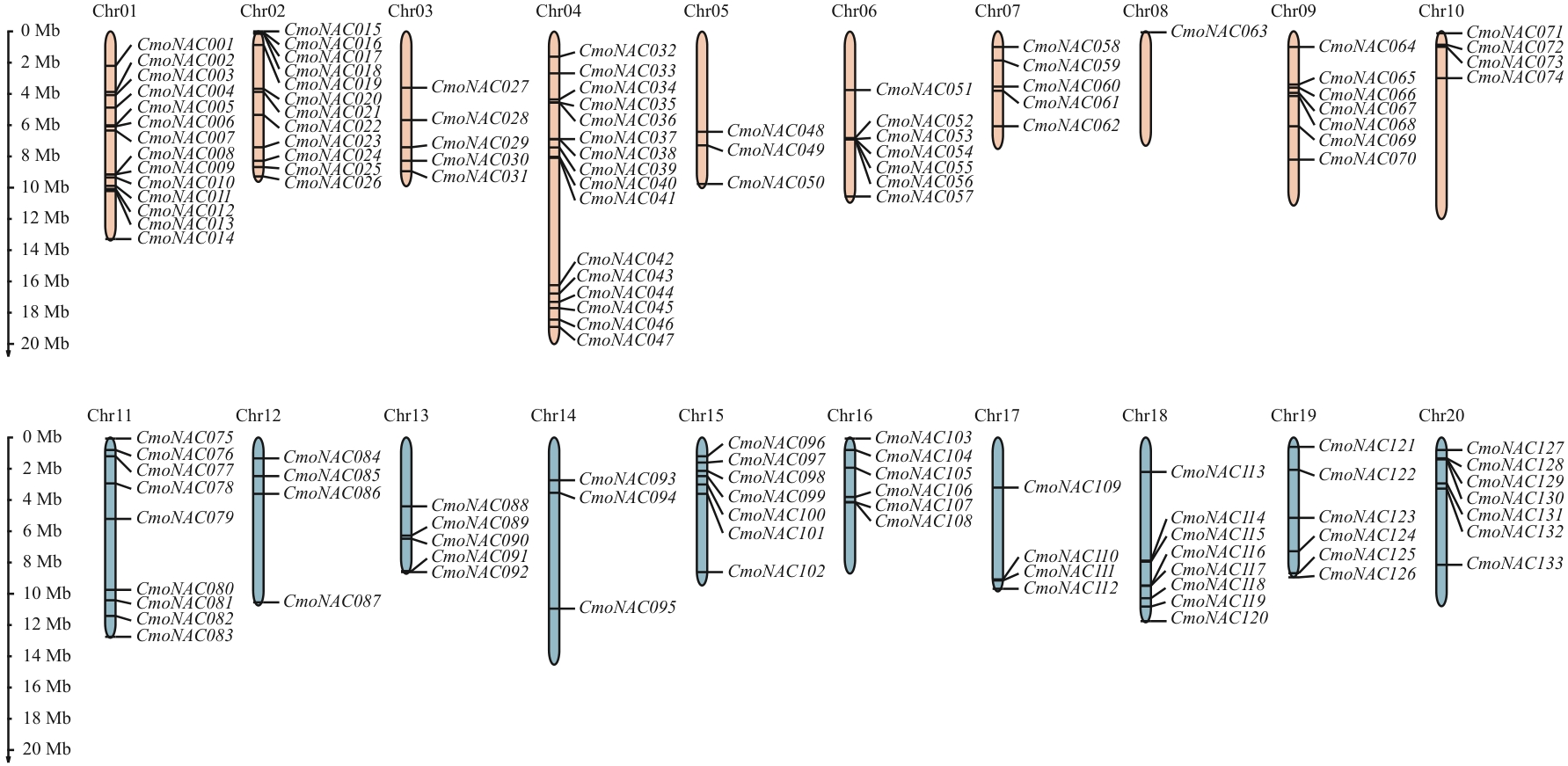
Fig. 1 Chromosomal distribution of NAC gene family in C. moschata
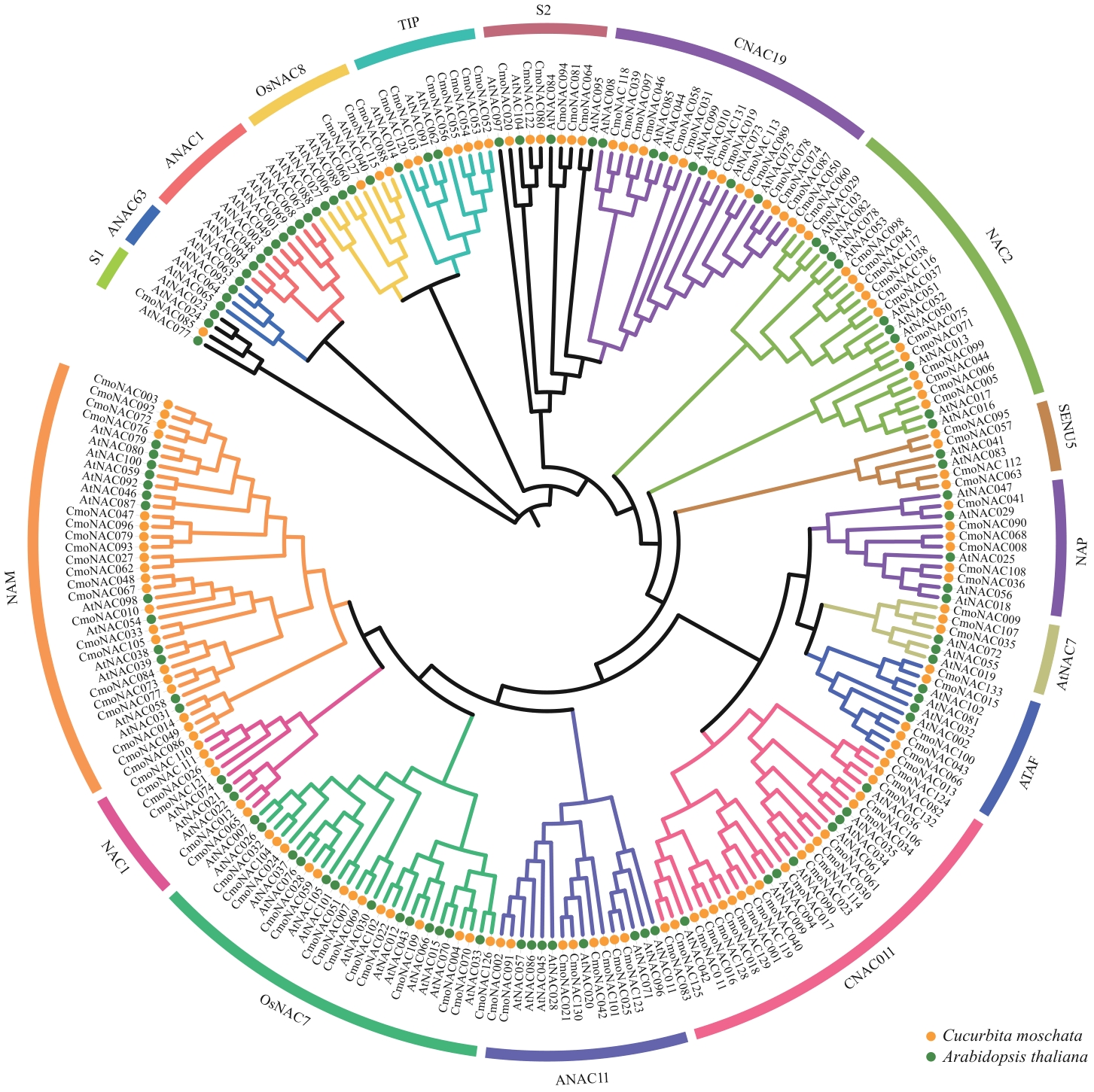
Fig. 2 Phylogenetic tree of NAC protein in C. moschata (133) and A. thaliana (105)
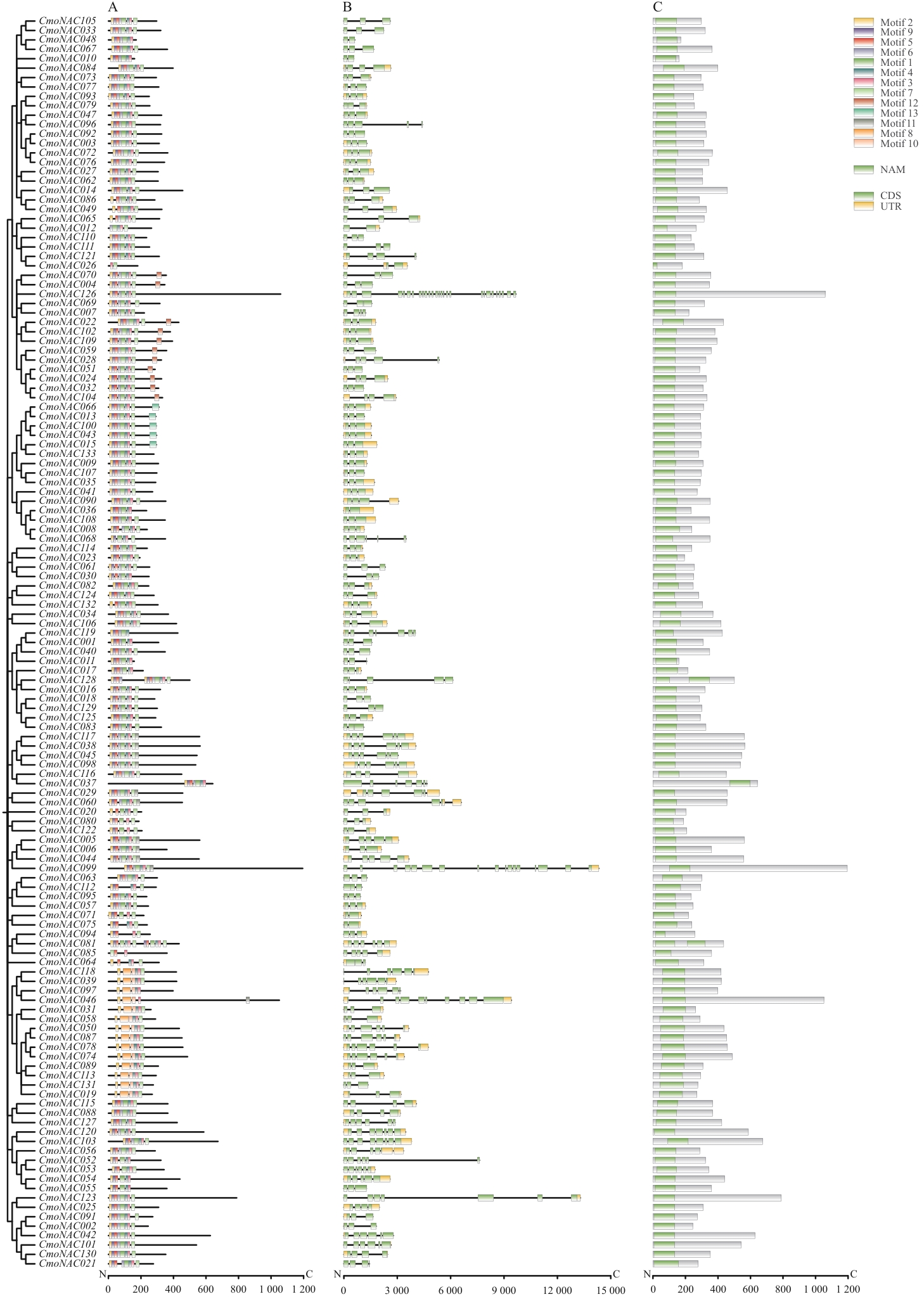
Fig. 3 Structure distribution patterns and domains prediction of the NAC gene family in C. moschataA: Protein conserved motif analysis. B: Gene structure analysis. C: Gene conserved domain analysis
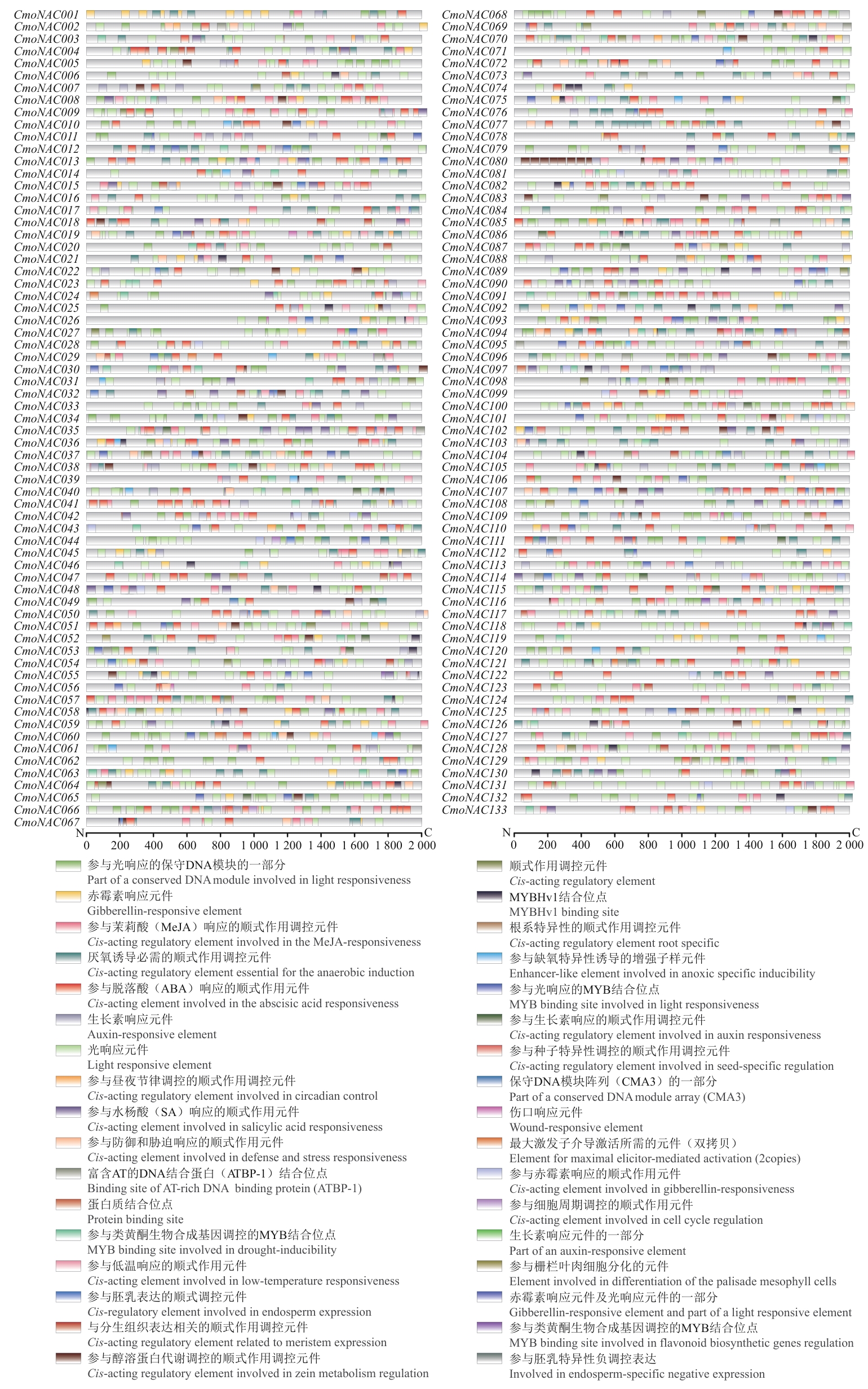
Fig. 4 Prediction of cis-acting elements of the NAC gene family in C. moschata
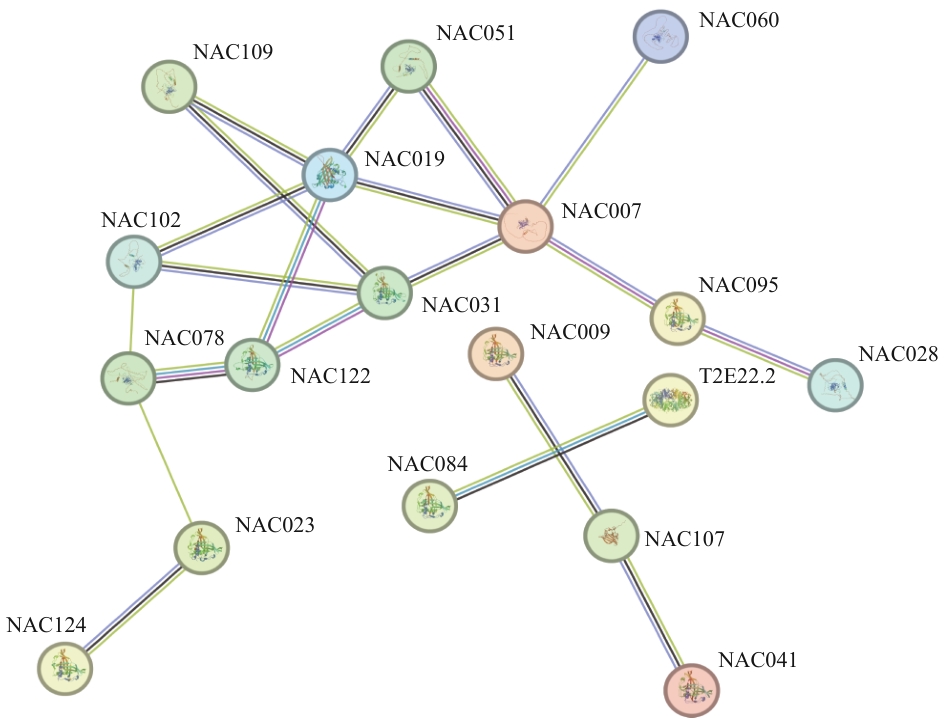
Fig. 5 Analysis of the protein interaction network of the NAC gene family in C. moschata
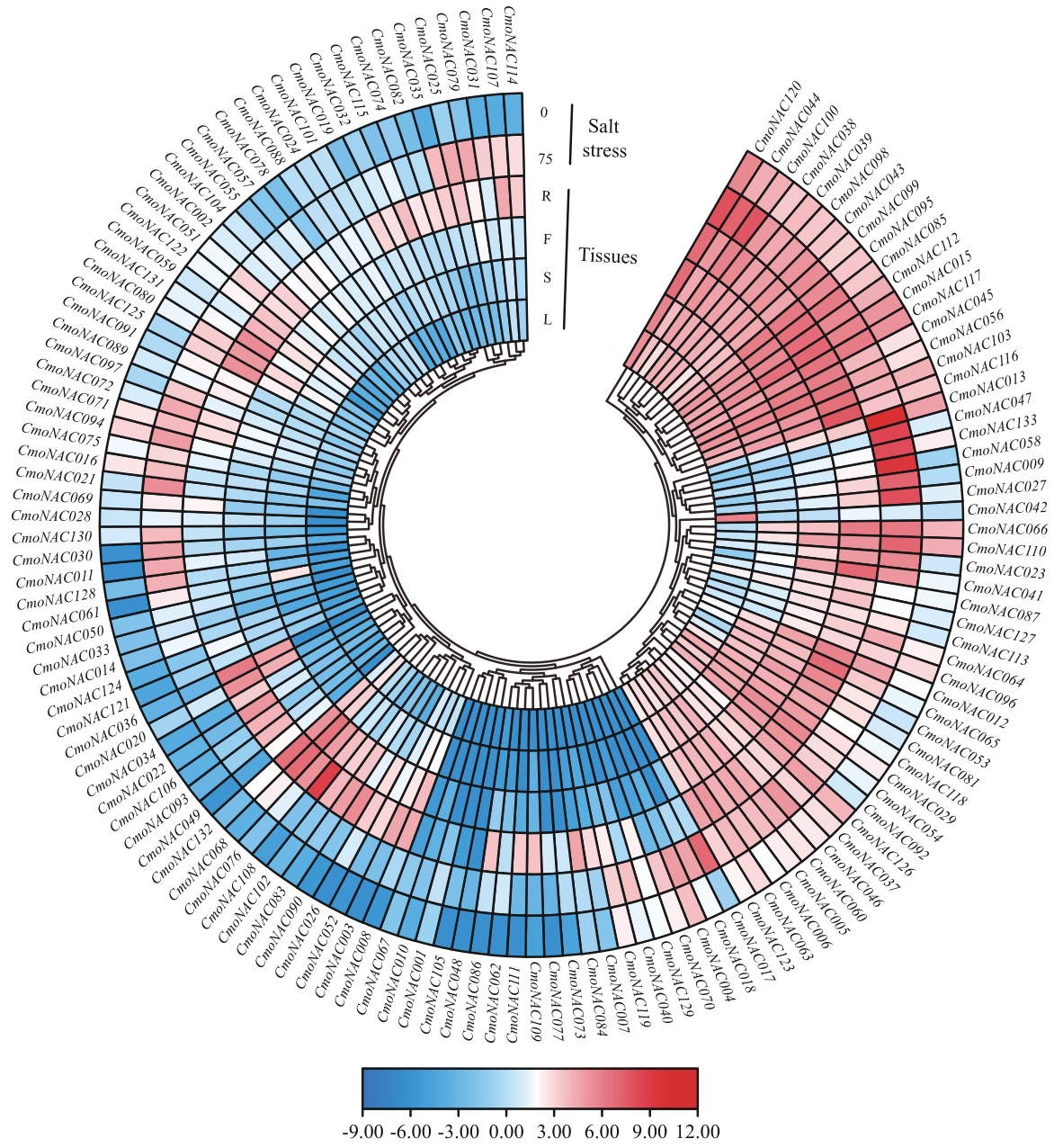
Fig. 6 Expression patterns in various tissues of the NAC gene family in C. moschata and its expression analysis in response to salt stressL, S, F, and R indicates leaves, stems, fruits and roots, respectively. 0: 0 mmol/L NaCl; 75: 75 mmol/L NaCl
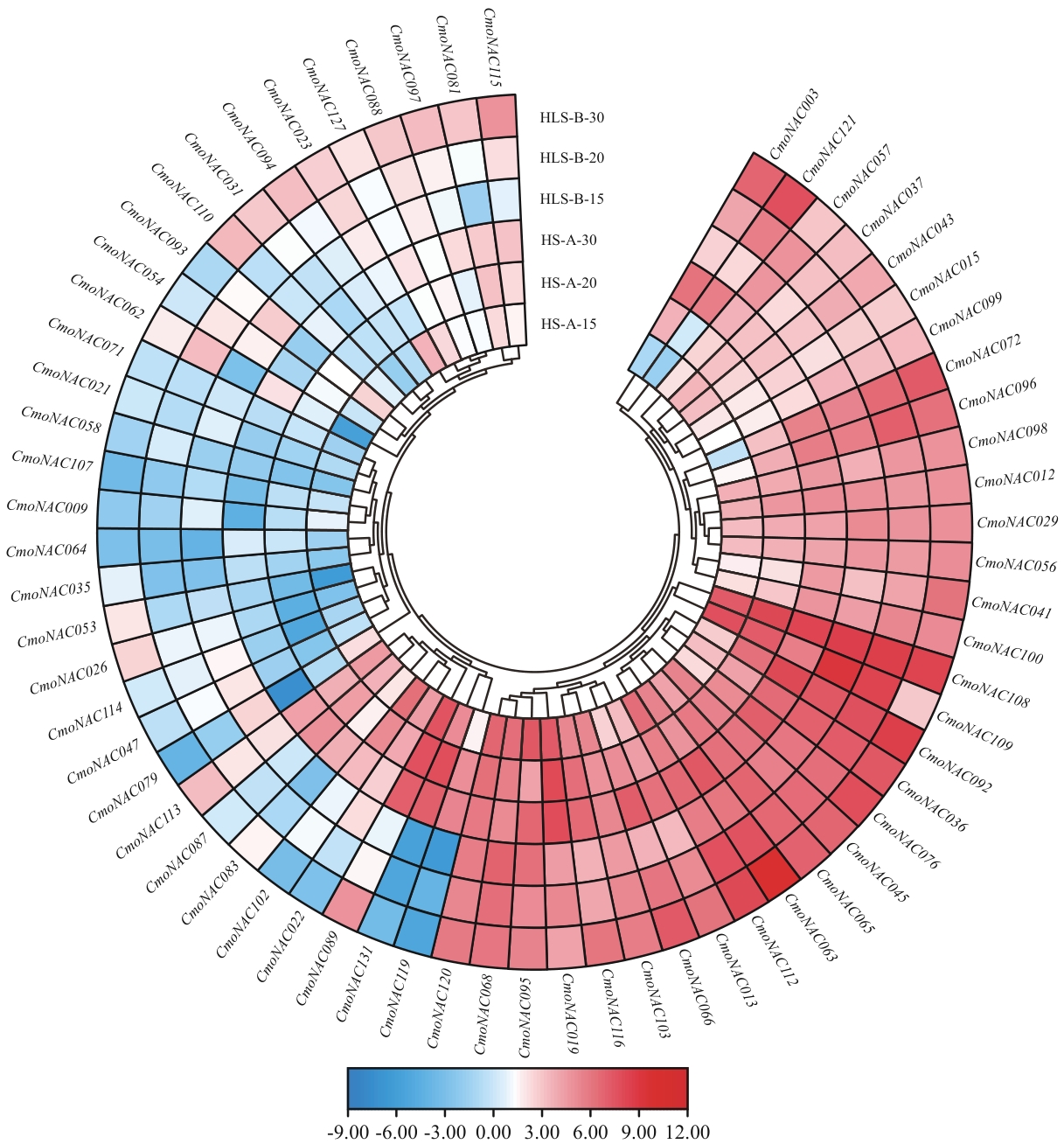
Fig. 7 Expression analysis of NAC gene family in seed coat of hull and hull-less seeded C. moschata at different developmental stagesHS-A-15, HS-A-20, HS-A-30: The expressions of the gene in the seed coat of seeded pumpkin HS-A at 15, 20 and 30 DPA. HLS-B-15, HLS-B-20, HLS-B-30: The expressions of the gene in the seed coat of hull-less pumpkin HLS-B at 15, 20 and 30 DPA. The same below
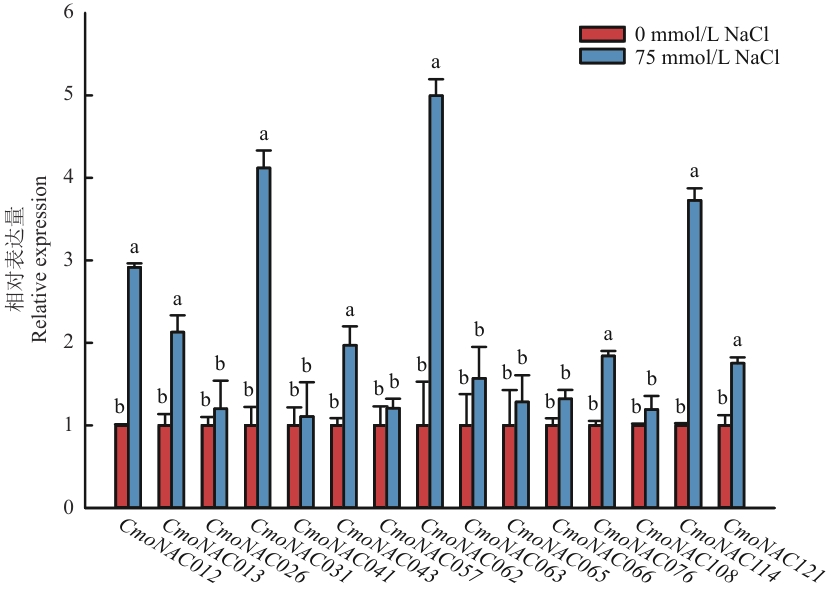
Fig. 8 Relative expressions of 15 CmoNACs genes under salt stress of C. moschataDifferent lowercase letters indicate significant difference at P0.05 level. The same below
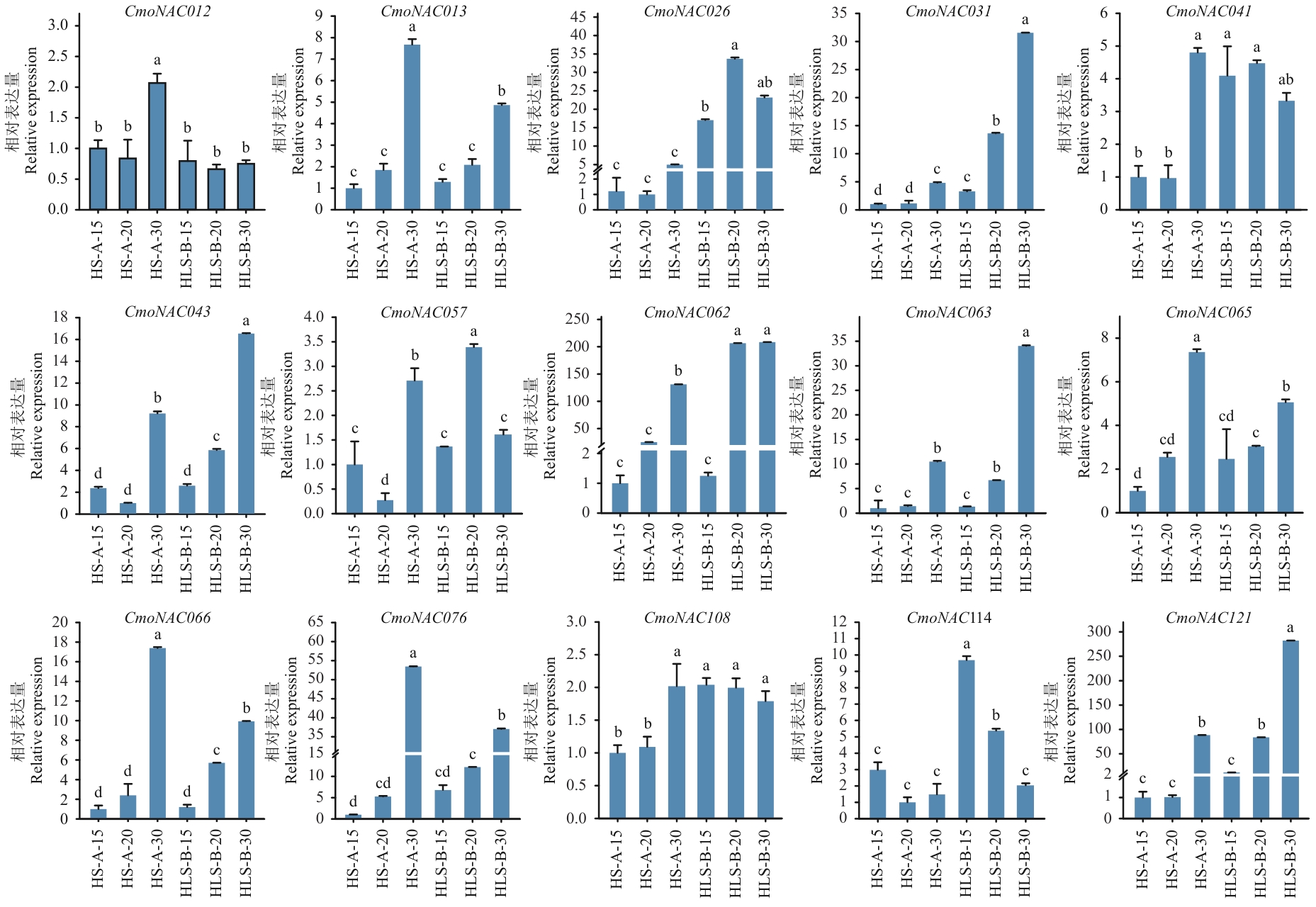
Fig. 9 Relative expressions of 15 CmoNACs during the development of C. moschata seeds
| [1] | Kulczyński B, Gramza-Michałowska A. The profile of secondary metabolites and other bioactive compounds in Cucurbita pepo L. and Cucurbita moschata pumpkin cultivars [J]. Molecules, 2019, 24(16): 2945. |
| [2] | Young K, Woo K, Chang PS. Purification and characterization of a novel acid-tolerant and heterodimeric β-glucosidase from pumpkin (Cucurbita moschata) seed [J]. J Biosci Bioeng, 2021, 132(2): 125-131. |
| [3] | Medjakovic S, Hobiger S, Ardjomand-Woelkart K, et al. Pumpkin seed extract: Cell growth inhibition of hyperplastic and cancer cells, independent of steroid hormone receptors [J]. Fitoterapia, 2016, 110: 150-156. |
| [4] | Bergantin C, Maietti A, Tedeschi P, et al. HPLC-UV/Vis-APCI-MS/MS determination of major carotenoids and their bioaccessibility from “delica” (Cucurbita maxima) and “violina” (Cucurbita moschata) pumpkins as food traceability markers [J]. Molecules, 2018, 23(11): 2791. |
| [5] | Vinayashree S, Vasu P. Biochemical, nutritional and functional properties of protein isolate and fractions from pumpkin (Cucurbita moschata var. Kashi Harit) seeds [J]. Food Chem, 2021, 340: 128177. |
| [6] | Shen Q, Wu LY, Zhao XH, et al. Comparative analysis of electron microscopic structure of seed testa, lignin and biosynthesis-related enzyme activities in hulled and hull-less seeds of Cucurbita moschata [J]. Sci Hortic, 2019, 245: 137-143. |
| [7] | Singh S, Grover A, Nasim M. Biofuel potential of plants transformed genetically with NAC family genes [J]. Front Plant Sci, 2016, 7: 22. |
| [8] | Maugarny-Calès A, Gonçalves B, Jouannic S, et al. Apparition of the NAC transcription factors predates the emergence of land plants [J]. Mol Plant, 2016, 9(9): 1345-1348. |
| [9] | Shen Q, Weng YQ. Alternative splicing of NAC transcription factor gene CmNST1 is associated with naked seed mutation in pumpkin, Cucurbita moschata [J]. Genes, 2023, 14(5): 962. |
| [10] | Lyu XL, Shi L, Zhao M, et al. A natural mutation of the NST1 gene arrests secondary cell wall biosynthesis in the seed coat of a hull-less pumpkin accession [J]. Hortic Res, 2022, 9: uhac136. |
| [11] | Wang JL, Zhang XX, Yang HQ, et al. Eggplant NAC domain transcription factor SmNST1 as an activator promotes secondary cell wall thickening [J]. Plant Cell Environ, 2024, 47(11): 4293-4304. |
| [12] | Wang JF, Wang YP, Zhang J, et al. The NAC transcription factor ClNAC68 positively regulates sugar content and seed development in watermelon by repressing ClINV and ClGH3.6 [J]. Hortic Res, 2021, 8(1): 214. |
| [13] | Wang JF, Zhu Y, Li MY, et al. The NAC transcription factor ClNAC100 positively regulates plant height and fruit size in watermelon [J]. Plant J, 2025, 123(1): e70292. |
| [14] | Thirumalaikumar VP, Devkar V, Mehterov N, et al. NAC transcription factor JUNGBRUNNEN1 enhances drought tolerance in tomato [J]. Plant Biotechnol J, 2018, 16(2): 354-366. |
| [15] | Wang T, Ma XM, Chen Y, et al. SlNAC3 suppresses cold tolerance in tomatoes by enhancing ethylene biosynthesis [J]. Plant Cell Environ, 2024, 47(8): 3132-3146. |
| [16] | Zhang HF, Pei YP, Zhu FL, et al. CaSnRK2.4-mediated phosphorylation of CaNAC035 regulates abscisic acid synthesis in pepper (Capsicum annuum L.) responding to cold stress [J]. Plant J, 2024, 117(5): 1377-1391. |
| [17] | Chen SQ, Zhang WX, Zhang Q, et al. SlNAC12, a novel NAC-type transcription factor, confers salt stress tolerance in tomato [J]. Plant Cell Rep, 2024, 44(1): 5. |
| [18] | Duan AQ, Tao JP, Jia LL, et al. AgNAC1, a celery transcription factor, related to regulation on lignin biosynthesis and salt tolerance [J]. Genomics, 2020, 112(6): 5254-5264. |
| [19] | Peng YQ, Cao HS, Cui LJ, et al. CmoNAC1 in pumpkin rootstocks improves salt tolerance of grafted cucumbers by binding to the promoters of CmoRBOHD1, CmoNCED6, CmoAKT1;2 and CmoHKT1;1 to regulate H2O2, ABA signaling and K+/Na+ homeostasis [J]. Hortic Res, 2023, 10(9): uhad157. |
| [20] | Gao Y, Fan ZQ, Zhang Q, et al. A tomato NAC transcription factor, SlNAM1, positively regulates ethylene biosynthesis and the onset of tomato fruit ripening [J]. Plant J, 2021, 108(5): 1317-1331. |
| [21] | Wang JF, Tian SW, Yu YT, et al. Natural variation in the NAC transcription factor NONRIPENING contributes to melon fruit ripening [J]. J Integr Plant Biol, 2022, 64(7): 1448-1461. |
| [22] | Zhang XM, Yu HJ, Sun C, et al. Genome-wide characterization and expression profiling of the NAC genes under abiotic stresses in Cucumis sativus [J]. Plant Physiol Biochem, 2017, 113: 98-109. |
| [23] | Li WQ, Ping F, Jiang HX, et al. Genome-wide identification of the NAC gene family in Brassica rapa (L.) and expression pattern analysis of BrNAC2s [J]. Plants, 2025, 14(6): 834. |
| [24] | Diao WP, Snyder JC, Wang SB, et al. Genome-wide analyses of the NAC transcription factor gene family in pepper (Capsicum annuum L.): chromosome location, phylogeny, structure, expression patterns, cis-elements in the promoter, and interaction network [J]. Int J Mol Sci, 2018, 19(4): 1028. |
| [25] | Sun HH, Wu S, Zhang GY, et al. Karyotype stability and unbiased fractionation in the paleo-allotetraploid Cucurbita genomes [J]. Mol Plant, 2017, 10(10): 1293-1306. |
| [26] | Ooka H, Satoh K, Doi K, et al. Comprehensive analysis of NAC family genes in Oryza sativa and Arabidopsis thaliana [J]. DNA Res, 2003, 10(6): 239-247. |
| [27] | Wang HZ, Dixon RA. On-off switches for secondary cell wall biosynthesis [J]. Mol Plant, 2012, 5(2): 297-303. |
| [28] | Han KJ, Zhao Y, Sun YH, et al. NACs, generalist in plant life [J]. Plant Biotechnol J, 2023, 21(12): 2433-2457. |
| [29] | 黄畋柳, 张锐, 贺迎骁, 等. 辣椒NAC家族成员鉴定及其编码基因在NaCl胁迫下的表达分析 [J]. 植物资源与环境学报, 2023, 32(4): 12-24. |
| Huang TL, Zhang R, He YX, et al. Identification of NAC family members of Capsicum annuum and analysis on expressions of their coding genes under NaCl stress [J]. J Plant Resour Environ, 2023, 32(4): 12-24. | |
| [30] | 王会文, 范军强, 路晓明, 等. 白菜型冬油菜NAC基因家族鉴定及表达分析 [J]. 江苏农业学报, 2022(5): 1315-1329. |
| Wang HW, Fan JQ, Lu XM, et al. Identification and expression analysis of NAC gene family in Brassica rapa L [J]. Jiangsu J Agric Sci, 2022(5): 1315-1329. | |
| [31] | 荣欢, 任师杰, 汪梓坪, 等. 植物NAC转录因子的结构及功能研究进展 [J]. 江苏农业科学, 2020(18): 44-53. |
| Rong H, Ren SJ, Wang ZP, et al. Research progress on the structure and function of plant NAC transcription factors [J]. Jiangsu Agric Sci, 2020(18): 44-53. | |
| [32] | He XJ, Mu RL, Cao WH, et al. AtNAC2, a transcription factor downstream of ethylene and auxin signaling pathways, is involved in salt stress response and lateral root development [J]. Plant J, 2005, 44(6): 903-916. |
| [33] | Mitsuda N, Iwase A, Yamamoto H, et al. NAC transcription factors, NST1 and NST3, are key regulators of the formation of secondary walls in woody tissues of Arabidopsis [J]. Plant Cell, 2007, 19(1): 270-280. |
| [34] | Wu YR, Deng ZY, Lai JB, et al. Dual function of Arabidopsis ATAF1 in abiotic and biotic stress responses [J]. Cell Res, 2009, 19(11): 1279-1290. |
| [1] | LIANG Hui-qi, CHEN Yi-cun, WANG Yang-dong, ZHAO Yun-xiao, GAO Ming. Identification and Expression Analysis of the PAT1 Gene Subfamily in Litsea cubeba during Graft Union Healing [J]. Biotechnology Bulletin, 2026, 42(5): 302-311. |
| [2] | CHEN Deng-ke, LAN Gang, XIA Zhi, HOU Bao-guo, YANG Liu-liu, CAO Cai-rong, LI Peng-bo, WU Cui-cui. Identification of ZF-HD Gene Family in Arachis hypogaea and Analysis in Response to Abiotic Stress [J]. Biotechnology Bulletin, 2026, 42(4): 114-128. |
| [3] | LI Ying-hui, WANG Yang-bo-han, ZHOU Hao-bo, LU Xin-ru, ZHANG Ke-xin, YU Yang, LI Chuan-you, SUN Chuan-long. Identification of VPE Gene Family and Their Functional Analysis under Abiotic Stress in Tomato [J]. Biotechnology Bulletin, 2026, 42(3): 263-274. |
| [4] | LI Tian-yuan, QI Xin-liang, LIU Shan, ZHANG Jian-cheng, WANG Peng-fei, ZHANG Shuai, JIA Lu-ting, MU Xiao-peng. Identification of Cerasus humilisSPL Gene Family and Expression Analysis during Fruit Development [J]. Biotechnology Bulletin, 2026, 42(3): 362-373. |
| [5] | LONG Lin-xi, ZENG Yin-ping, WANG Qian, DENG Yu-ping, GE Min-qian, CHEN Yan-zhuo, LI Xin-juan, YANG Jun, ZOU Jian. Identification of Sunflower GH3 Gene Family and Analysis of Their Function in Flower Development [J]. Biotechnology Bulletin, 2026, 42(1): 125-138. |
| [6] | LI Yu-zhen, LI Meng-dan, ZHANG Wei, PENG Ting. Functional Study of RmEXPB2 Genein Rosa multiflora Based on the Identification of the Expansin Gene Family in Rosa sp. [J]. Biotechnology Bulletin, 2025, 41(9): 182-194. |
| [7] | GONG Yu-han, CHEN Lan, SHANGFANG Hui-zi, HAO Ling-ying, LIU Shuo-qian. Identification and Expression Profile Analysis of the TRB Gene Family in Tea Plant [J]. Biotechnology Bulletin, 2025, 41(7): 214-225. |
| [8] | ZHANG Ze, YANG Xiu-li, NING Dong-xian. Identification of 4CL Gene Family in Arachis hypogaea L. and Expression Analysis in Response to Drought and Salt Stress [J]. Biotechnology Bulletin, 2025, 41(7): 117-127. |
| [9] | LI Bin, SU Xiang-ping, LIU Chang, WANG Yu-bing, ZHANG Yong-hong, ZHOU Chao, XU Qing. Chloroplast Genome Characteristics and Phylogenetic Analysis of Scrophulariaceae [J]. Biotechnology Bulletin, 2025, 41(3): 240-254. |
| [10] | YANG Chen-xin, LI Meng-xiu, JIANG Tang, ZHANG Wen-e, PAN Xue-jun. Identification and Expression Analysis of Anthocyanin-associated R2R3-MYB Genes in Canna indica [J]. Biotechnology Bulletin, 2025, 41(12): 201-213. |
| [11] | QIN Wen-jun, XIONG Yan-jie, ZHAO Ran, MA Xiao-ran, YE Xiao-meng, SONG Jiang-hua. Identification and Expression Analysis of the ARF Gene Family in Cabbage under Abiotic Stress [J]. Biotechnology Bulletin, 2025, 41(10): 253-263. |
| [12] | LI Cai-xia, LI Yi, MU Hong-xiu, LIN Jun-xuan, BAI Long-qiang, SUN Mei-hua, MIAO Yan-xiu. Identification and Bioinformatics Analysis of the bHLH Transcription Factor Family in Cucurbita moschata Duch. [J]. Biotechnology Bulletin, 2025, 41(1): 186-197. |
| [13] | TIAN Xu-rui, HUO Xin-yi, GUO Yun-han, XIANG Lin, CHAN Zhu-long, WANG Yan-ping. Expression and Functional Analysis of Gene LoSAUR10 from Lilium Oriental Hybrids [J]. Biotechnology Bulletin, 2025, 41(1): 221-229. |
| [14] | YANG Wei, ZHAO Li-fen, TANG Bing, ZHOU Lin-bi, YANG Juan, MO Chuan-yuan, ZHANG Bao-hui, LI Fei, RUAN Song-lin, DENG Ying. Genome-wide Identification and Expression Analysis of the SRO Gene Family in Brassica juncea L. [J]. Biotechnology Bulletin, 2024, 40(8): 129-141. |
| [15] | HU Yong-bo, LEI Yu-tian, YANG Yong-sen, CHEN Xin, LIN Huang-fang, LIN Bi-ying, LIU Shuang, BI Ge, SHEN Bao-ying. Genome-wide Identification and Expression Pattern Analysis of the Bcl-2-related Anti-apoptotic Family in Cucumis sativus L. and Cucurbita moschata Duch. [J]. Biotechnology Bulletin, 2024, 40(6): 219-237. |
| Viewed | ||||||
|
Full text |
|
|||||
|
Abstract |
|
|||||
