







Biotechnology Bulletin ›› 2025, Vol. 41 ›› Issue (5): 231-243.doi: 10.13560/j.cnki.biotech.bull.1985.2024-1007
HU Ruo-qun( ), ZENG Jing-jing, LIANG Wan-feng, CAO Jia-yu, HUANG Xiao-wei, LIANG Xiao-ying, QIU Ming-yue, CHEN Ying()
Received:2024-10-15
Online:2025-05-26
Published:2025-06-05
Contact:
CHEN Ying
E-mail:357031900@qq.com;000q020057@fafu.edu.cn
HU Ruo-qun, ZENG Jing-jing, LIANG Wan-feng, CAO Jia-yu, HUANG Xiao-wei, LIANG Xiao-ying, QIU Ming-yue, CHEN Ying. Integrated Transcriptome and Metabolome Analysis to Explore the Carotenoid Synthesis and Metabolism Mechanism in Anoectochilus roxburghii under Different Shading Conditions[J]. Biotechnology Bulletin, 2025, 41(5): 231-243.
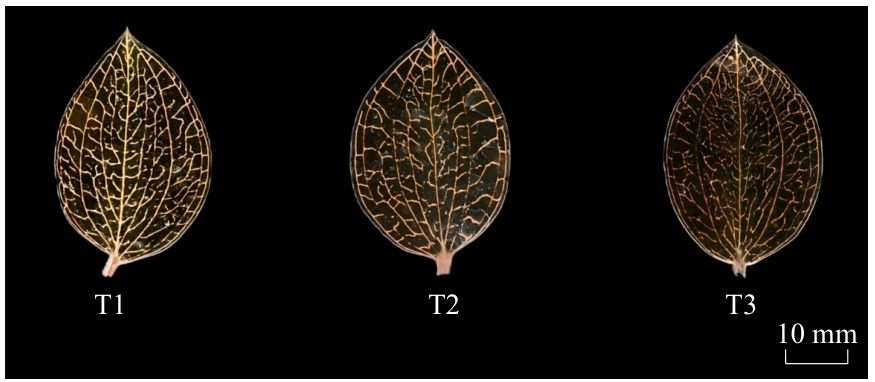
Fig. 1 Anoectochilus roxburghii under different shading treatmentsT1: 25% shading treatment; T2: 50% shading treatment; T3: 75% shading treatment. The same below
| 基因名称Gene name | 基因ID Gene ID | 正向引物 Forward primer (5′-3′) | 反向引物 Revese primer(5′-3′) |
|---|---|---|---|
| Actin | Reference gene | AGCATGAAGATTAAGGTGGTTG | CTGAGAGAAGCAAGGATGGA |
| CYP707A | TRINITY_DN8883_c0_g1 | TCCAGCGCGGAGAATATCAC | GTGTTGATGAGGCGGCTTTC |
| CCD7 | TRINITY_DN10188_c0_g1 | CGATGCTGAAAGAACAGCCG | CCAAAGGCAGAACAACCTGC |
| NCED1 | TRINITY_DN9311_c2_g1 | TTCAGACTACTCGCCGCTTC | TGGTTCAGGCCGTCTTTCTC |
| LUT5 | TRINITY_DN2482_c0_g1 | CCTGTTGAAAGCTCAGAGGC | ATGCAGAATGGAACCCAGGTG |
| LUT1 | TRINITY_DN1083_c0_g1 | ATCCCAGTGGCTAATGCTCG | TGATGACGACGAAGTCACGG |
| ZEP | TRINITY_DN5360_c0_g1 | GGCGACGAGCTCAGGAATAA | CTCAACTGCACGGACTTCCT |
| AOG | TRINITY_DN513_c0_g1 | TCGGCTATGCCATGTATCCG | TGATATGCCTCTGAACCGCC |
| ZDS | TRINITY_DN1558_c1_g1 | GCAGGACTACATCGACAGCA | CTCATTGGCTAGTGCCTCGT |
Table 1 Primers for RT-qPCR
| 基因名称Gene name | 基因ID Gene ID | 正向引物 Forward primer (5′-3′) | 反向引物 Revese primer(5′-3′) |
|---|---|---|---|
| Actin | Reference gene | AGCATGAAGATTAAGGTGGTTG | CTGAGAGAAGCAAGGATGGA |
| CYP707A | TRINITY_DN8883_c0_g1 | TCCAGCGCGGAGAATATCAC | GTGTTGATGAGGCGGCTTTC |
| CCD7 | TRINITY_DN10188_c0_g1 | CGATGCTGAAAGAACAGCCG | CCAAAGGCAGAACAACCTGC |
| NCED1 | TRINITY_DN9311_c2_g1 | TTCAGACTACTCGCCGCTTC | TGGTTCAGGCCGTCTTTCTC |
| LUT5 | TRINITY_DN2482_c0_g1 | CCTGTTGAAAGCTCAGAGGC | ATGCAGAATGGAACCCAGGTG |
| LUT1 | TRINITY_DN1083_c0_g1 | ATCCCAGTGGCTAATGCTCG | TGATGACGACGAAGTCACGG |
| ZEP | TRINITY_DN5360_c0_g1 | GGCGACGAGCTCAGGAATAA | CTCAACTGCACGGACTTCCT |
| AOG | TRINITY_DN513_c0_g1 | TCGGCTATGCCATGTATCCG | TGATATGCCTCTGAACCGCC |
| ZDS | TRINITY_DN1558_c1_g1 | GCAGGACTACATCGACAGCA | CTCATTGGCTAGTGCCTCGT |
| 代谢物 Metabolite | 分子式 Molecular formula | KEGG注释编号 KEGG annotation number |
|---|---|---|
| 二氢菜豆酸 Dihydrophaseic acid | C15H22O5 | C15971 |
| 植物预黄质二磷酸 Prephytoene diphosphate | C40H68O7P2 | C03427 |
| 黄质醛酸 Xanthoxic acid | C15H22O4 | C13454 |
| 圆酵母素Torulene | C40H54 | C08613 |
| 念珠藻黄素 Nostoxanthin | C40H56O4 | C16284 |
| 羟基氯菌烯葡萄糖苷 Hydroxychlorobactene glucoside | C46H64O6 | C15914 |
| 环氧玉米黄质 Antheraxanthin | C40H56O3 | C08579 |
| 辣椒玉红素 Capsorubin | C40H56O4 | C08585 |
| 角黄素 Canthaxanthin | C40H52O2 | C08583 |
| 金盏花黄质 Adonixanthin | C40H54O3 | C15968 |
| 新黄质 Neoxanthin | C40H56O4 | C08606 |
9-顺式-10'-Apo-β-胡萝卜素 9-cis-10'-Apo-beta-Carotenal | C27H36O | C20692 |
玉米黄质二葡萄糖苷 Zeaxanthin diglucoside | C52H76O12 | C15969 |
脱落酸葡萄糖酯 Abscisic acid glucose ester | C21H30O9 | C15970 |
独脚金内酯 ABC-环 Strigolactone ABC-rings | C14H18O3 | C18036 |
| 4,4'-二聚苯二醛 4,4'-Diapolycopenedial | C30H36O2 | C19798 |
| 葡萄球菌黄质 Staphyloxanthin | C51H78O8 | C16148 |
| 羟基氯菌烯 Hydroxychlorobactene | C40H54O | C15911 |
| 玉米黄质 Zeaxanthin | C40H56O2 | C06098 |
| 3-羟基海胆酮 3-Hydroxyechinenone | C40H54O2 | C15966 |
| (3S,2'S)-4-酮米索2'-α-L-岩藻糖苷 (3S,2'S)-4-Ketomyxol 2'-alpha-L-fucoside | C46H64O8 | C15942 |
Table 2 Carotenoid metabolites in A. roxburghii leaves under different shading treatments
| 代谢物 Metabolite | 分子式 Molecular formula | KEGG注释编号 KEGG annotation number |
|---|---|---|
| 二氢菜豆酸 Dihydrophaseic acid | C15H22O5 | C15971 |
| 植物预黄质二磷酸 Prephytoene diphosphate | C40H68O7P2 | C03427 |
| 黄质醛酸 Xanthoxic acid | C15H22O4 | C13454 |
| 圆酵母素Torulene | C40H54 | C08613 |
| 念珠藻黄素 Nostoxanthin | C40H56O4 | C16284 |
| 羟基氯菌烯葡萄糖苷 Hydroxychlorobactene glucoside | C46H64O6 | C15914 |
| 环氧玉米黄质 Antheraxanthin | C40H56O3 | C08579 |
| 辣椒玉红素 Capsorubin | C40H56O4 | C08585 |
| 角黄素 Canthaxanthin | C40H52O2 | C08583 |
| 金盏花黄质 Adonixanthin | C40H54O3 | C15968 |
| 新黄质 Neoxanthin | C40H56O4 | C08606 |
9-顺式-10'-Apo-β-胡萝卜素 9-cis-10'-Apo-beta-Carotenal | C27H36O | C20692 |
玉米黄质二葡萄糖苷 Zeaxanthin diglucoside | C52H76O12 | C15969 |
脱落酸葡萄糖酯 Abscisic acid glucose ester | C21H30O9 | C15970 |
独脚金内酯 ABC-环 Strigolactone ABC-rings | C14H18O3 | C18036 |
| 4,4'-二聚苯二醛 4,4'-Diapolycopenedial | C30H36O2 | C19798 |
| 葡萄球菌黄质 Staphyloxanthin | C51H78O8 | C16148 |
| 羟基氯菌烯 Hydroxychlorobactene | C40H54O | C15911 |
| 玉米黄质 Zeaxanthin | C40H56O2 | C06098 |
| 3-羟基海胆酮 3-Hydroxyechinenone | C40H54O2 | C15966 |
| (3S,2'S)-4-酮米索2'-α-L-岩藻糖苷 (3S,2'S)-4-Ketomyxol 2'-alpha-L-fucoside | C46H64O8 | C15942 |
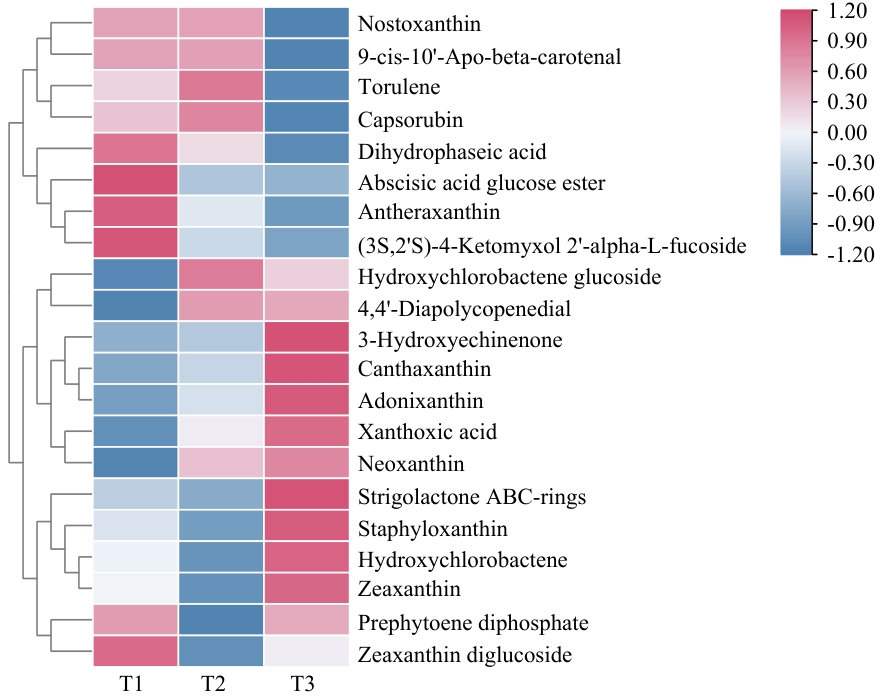
Fig. 2 Heatmap of differential carotenoid metabolites in A. roxburghii leaves under different shading treatmentsPink indicate up-regulation, blue indicates down-regulation. The same below
| 基因 Gene | 缩写 Abbreviation | 基因ID Gene ID | 酶编号 EC number | KO号 Enzyme KO |
|---|---|---|---|---|
| (+)-脱落酸8'-羟化酶 (+)-abscisic acid 8'-hydroxylase | CYP707A | TRINITY_DN13073_c0_g1 | [EC:1.14.14.137] | K09843 |
| TRINITY_DN1970_c0_g1 | [EC:1.14.14.137] | K09843 | ||
| TRINITY_DN8883_c0_g2 | [EC:1.14.14.137] | K09843 | ||
| TRINITY_DN25069_c0_g1 | [EC:1.14.14.137] | K09843 | ||
| TRINITY_DN5389_c0_g1 | [EC:1.14.14.137] | K09843 | ||
| TRINITY_DN8883_c0_g1 | [EC:1.14.14.137] | K09843 | ||
| 玉米黄质环氧化酶 Zeaxanthin epoxidase | ZEP | TRINITY_DN5360_c0_g1 | [EC:1.14.15.21] | K09838 |
| TRINITY_DN11443_c0_g1 | [EC:1.14.15.21] | K09838 | ||
9-顺式-β-胡萝卜素9',10'-裂解双加氧酶 10-9-cis-beta-carotene 9',10'-cleaving dioxygenase | CCD7 | TRINITY_DN10188_c0_g1 | [EC:1.13.11.68] | K17912 |
| TRINITY_DN8303_c0_g1 | [EC:1.13.11.68] | K17912 | ||
| β-胡萝卜素异构酶 Beta-carotene isomerase | DWARF27 | TRINITY_DN5387_c0_g1 | [EC:5.2.1.14] | K17911 |
| TRINITY_DN840_c0_g1 | [EC:5.2.1.14] | K17911 | ||
9-顺式环氧类胡萝卜素双加氧酶 9-cis-epoxycarotenoid dioxygenase | NCED1 | TRINITY_DN1390_c0_g1 | [EC:1.13.11.51] | K09840 |
| TRINITY_DN562_c3_g1 | [EC:1.13.11.51] | K09840 | ||
| TRINITY_DN9311_c2_g1 | [EC:1.13.11.51] | K09840 | ||
| ε-胡萝卜素羟化酶 Carotenoid epsilon hydroxylase | LUT1 | TRINITY_DN1083_c0_g1 | [EC:1.14.14.158] | K09837 |
| β-胡萝卜素环羟化酶 Beta-ring hydroxylase | LUT5 | TRINITY_DN2482_c0_g1 | [EC:1.14.-.-] | K15747 |
| 胡萝卜素去饱和酶 Zeta-carotene desaturase | ZDS | TRINITY_DN1558_c1_g1 | [EC:1.3.5.6] | K00514 |
| 番茄红素ε环化酶 Lycopene epsilon-cyclase | LCYE | TRINITY_DN29073_c0_g1 | [EC:5.5.1.18] | K06444 |
| 脱落酸β-葡萄糖基转移酶 Abscisate beta-glucosyltransferase | AOG | TRINITY_DN513_c0_g1 | [EC:2.4.1.263] | K14595 |
Table 3 Differential expressions of carotenoid-related genes in A. roxburghii leaves under different shading conditions
| 基因 Gene | 缩写 Abbreviation | 基因ID Gene ID | 酶编号 EC number | KO号 Enzyme KO |
|---|---|---|---|---|
| (+)-脱落酸8'-羟化酶 (+)-abscisic acid 8'-hydroxylase | CYP707A | TRINITY_DN13073_c0_g1 | [EC:1.14.14.137] | K09843 |
| TRINITY_DN1970_c0_g1 | [EC:1.14.14.137] | K09843 | ||
| TRINITY_DN8883_c0_g2 | [EC:1.14.14.137] | K09843 | ||
| TRINITY_DN25069_c0_g1 | [EC:1.14.14.137] | K09843 | ||
| TRINITY_DN5389_c0_g1 | [EC:1.14.14.137] | K09843 | ||
| TRINITY_DN8883_c0_g1 | [EC:1.14.14.137] | K09843 | ||
| 玉米黄质环氧化酶 Zeaxanthin epoxidase | ZEP | TRINITY_DN5360_c0_g1 | [EC:1.14.15.21] | K09838 |
| TRINITY_DN11443_c0_g1 | [EC:1.14.15.21] | K09838 | ||
9-顺式-β-胡萝卜素9',10'-裂解双加氧酶 10-9-cis-beta-carotene 9',10'-cleaving dioxygenase | CCD7 | TRINITY_DN10188_c0_g1 | [EC:1.13.11.68] | K17912 |
| TRINITY_DN8303_c0_g1 | [EC:1.13.11.68] | K17912 | ||
| β-胡萝卜素异构酶 Beta-carotene isomerase | DWARF27 | TRINITY_DN5387_c0_g1 | [EC:5.2.1.14] | K17911 |
| TRINITY_DN840_c0_g1 | [EC:5.2.1.14] | K17911 | ||
9-顺式环氧类胡萝卜素双加氧酶 9-cis-epoxycarotenoid dioxygenase | NCED1 | TRINITY_DN1390_c0_g1 | [EC:1.13.11.51] | K09840 |
| TRINITY_DN562_c3_g1 | [EC:1.13.11.51] | K09840 | ||
| TRINITY_DN9311_c2_g1 | [EC:1.13.11.51] | K09840 | ||
| ε-胡萝卜素羟化酶 Carotenoid epsilon hydroxylase | LUT1 | TRINITY_DN1083_c0_g1 | [EC:1.14.14.158] | K09837 |
| β-胡萝卜素环羟化酶 Beta-ring hydroxylase | LUT5 | TRINITY_DN2482_c0_g1 | [EC:1.14.-.-] | K15747 |
| 胡萝卜素去饱和酶 Zeta-carotene desaturase | ZDS | TRINITY_DN1558_c1_g1 | [EC:1.3.5.6] | K00514 |
| 番茄红素ε环化酶 Lycopene epsilon-cyclase | LCYE | TRINITY_DN29073_c0_g1 | [EC:5.5.1.18] | K06444 |
| 脱落酸β-葡萄糖基转移酶 Abscisate beta-glucosyltransferase | AOG | TRINITY_DN513_c0_g1 | [EC:2.4.1.263] | K14595 |

Fig. 3 Heatmap of carotenoid-related differentially expressed genes in A. roxburghii leaves under different shading treatmentsPink indicates up-regulation, blue indicates down-regulation. The same below
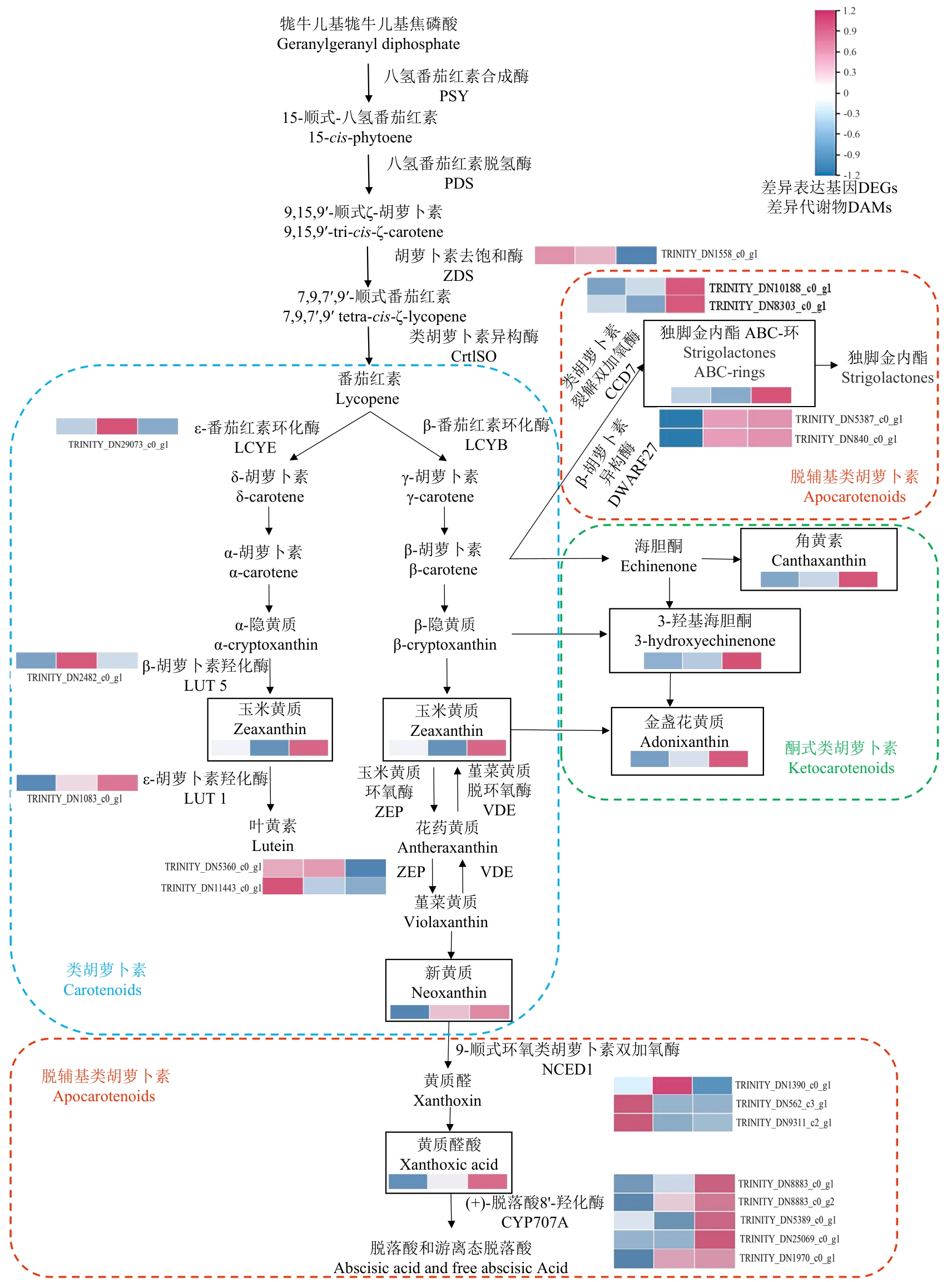
Fig. 4 Conjoint analysis of transcriptional metabolism of carotenoid in A. roxburghii leaves under different shading treatmentsIn the heatmap, the blocks from left to right correspond to the experimental treatment groups T1, T2, and T3. Different colored dashed boxes indicate different types of carotenoids

Fig. 5 Regulatory relationships between carotenoid-related transcription factors and differentially expressed genes in A. roxburghii under different shading conditionsCircles indicate differentially expressed genes, and squares indicate transcription factors
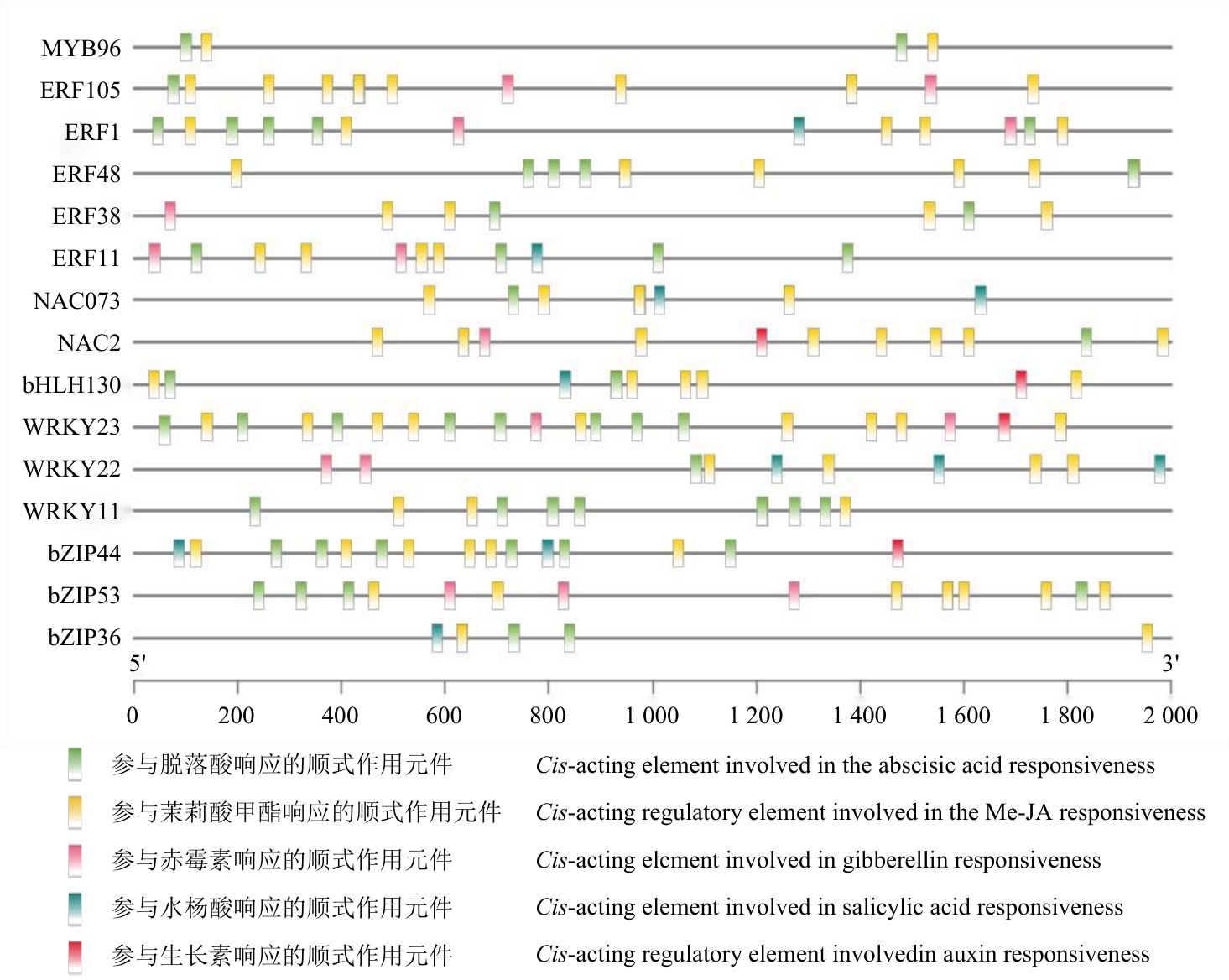
Fig. 6 Analysis of transcription factors responding to plant hormone action elements

Fig. 7 RT-qPCR analysis of eight differentially expressed genesDifferent letters indicate significant differences at the 0.05 level (P<0.05)
| 1 | 吕欣锴, 周丽思, 郭顺星. 我国金线兰资源特征及繁育技术研究进展 [J]. 药学学报, 2022, 57(7): 2057-2067. |
| Lü XK, Zhou LS, Guo SX. Resource characteristics and propagation techniques of Anoectochilus roxburghii in China [J]. Acta Pharm Sin, 2022, 57(7): 2057-2067. | |
| 2 | 王睿. 海南热带条件下金线莲种植适应性及规模化栽培试验研究 [D]. 海口: 海南大学, 2019. |
| Wang R. Experimental study on adaptability and large-scale cultivation of Anoectochilus roxburghii under tropical conditions in Hainan [D]. Haikou: Hainan University, 2019. | |
| 3 | Srivastava R. Physicochemical, antioxidant properties of carotenoids and its optoelectronic and interaction studies with chlorophyll pigments [J]. Sci Rep, 2021, 11(1): 18365. |
| 4 | Milani A, Basirnejad M, Shahbazi S, et al. Carotenoids: biochemistry, pharmacology and treatment [J]. Br J Pharmacol, 2017, 174(11): 1290-1324. |
| 5 | Bai C, Berman J, Farre G, et al. Reconstruction of the astaxanthin biosynthesis pathway in rice endosperm reveals a metabolic bottleneck at the level of endogenous β-carotene hydroxylase activity [J]. Transgenic Res, 2017, 26(1): 13-23. |
| 6 | 何静娟, 范燕萍. 观赏植物花色相关的类胡萝卜素组成及代谢调控研究进展 [J]. 园艺学报, 2022, 49(5): 1162-1172. |
| He JJ, Fan YP. Progress in composition and metabolic regulation of carotenoids related to floral color [J]. Acta Hortic Sin, 2022, 49(5): 1162-1172. | |
| 7 | Sathasivam R, Radhakrishnan R, Kim JK, et al. An update on biosynthesis and regulation of carotenoids in plants [J]. S Afr N J Bot, 2021, 140: 290-302. |
| 8 | Wang HT, Tian YC, Li YX, et al. Analysis of carotenoids and gene expression in apple germplasm resources reveals the role of MdCRTISO and MdLCYE in the accumulation of carotenoids [J]. J Agric Food Chem, 2023, 71(41): 15121-15131. |
| 9 | Li C, Wang CL, Cheng ZY, et al. Carotenoid biosynthesis genes LcLCYB, LcLCYE, and LcBCH from wolfberry confer increased carotenoid content and improved salt tolerance in tobacco [J]. Sci Rep, 2024, 14(1): 10586. |
| 10 | Du YX, Peng L, Dong B, et al. Genome-wide identification of 9-cis-epoxy-carotenoid dioxygenases (NCEDs) and potential function of OfNCED4 in carotenoid biosynthesis of Osmanthus fragrans [J]. Trees, 2024, 38(4): 891-902. |
| 11 | Sun TH, Rao S, Zhou XS, et al. Plant carotenoids: recent advances and future perspectives [J]. Mol Hortic, 2022, 2(1): 3. |
| 12 | 代绿叶, 张鑫, 滕英姿, 等. LED光照强度对紫叶生菜幼苗的影响 [J]. 中国农学通报, 2023, 39(10): 24-30. |
| Dai LY, Zhang X, Teng YZ, et al. Effects of LED light intensity on purple leaf lettuce seedlings [J]. Chin Agric Sci Bull, 2023, 39(10): 24-30. | |
| 13 | Formisano L, Ciriello M, El-Nakhel C, et al. Pearl grey shading net boosts the accumulation of total carotenoids and phenolic compounds that accentuate the antioxidant activity of processing tomato [J]. Antioxidants, 2021, 10(12): 1999. |
| 14 | Fu XM, Chen JM, Li JL, et al. Mechanism underlying the carotenoid accumulation in shaded tea leaves [J]. Food Chem X, 2022, 14: 100323. |
| 15 | 梁敏华, 梁瑞进, 杨震峰, 等. NAC6转录因子在芒果果实采后类胡萝卜素代谢过程中的表达及影响 [J]. 食品科学, 2024, 45(16): 77-87. |
| Liang MH, Liang RJ, Yang ZF, et al. Expression of NAC6 transcription factor and its impact on carotenoid metabolism in postharvest mango fruit [J]. Food Sci, 2024, 45(16): 77-87. | |
| 16 | Hu LP, Yang C, Zhang LN, et al. Effect of light-emitting diodes and ultraviolet irradiation on the soluble sugar, organic acid, and carotenoid content of postharvest sweet oranges (Citrus sinensis (L.) osbeck) [J]. Molecules, 2019, 24(19): 3440. |
| 17 | Xu YN, You CJ, Xu CB, et al. Red and blue light promote tomato fruit coloration through modulation of hormone homeostasis and pigment accumulation [J]. Postharvest Biol Technol, 2024, 207: 112588. |
| 18 | Jia DJ, Li YC, Jia K, et al. Abscisic acid activates transcription factor module MdABI5-MdMYBS1 during carotenoid-derived apple fruit coloration [J]. Plant Physiol, 2024, 195(3): 2053-2072. |
| 19 | Huang JF, Qin YL, Xie ZL, et al. Combined transcriptome and metabolome analysis reveal that the white and yellow mango pulp colors are associated with carotenoid and flavonoid accumulation, and phytohormone signaling [J]. Genomics, 2023, 115(5): 110675. |
| 20 | 魏翠华, 谢宇, 秦建彬, 等. 光照强度对金线莲生长及产量的影响 [J]. 北方园艺, 2015(12): 139-141. |
| Wei CH, Xie Y, Qin JB, et al. Effect of light intensity on the growth and yield of Anoectochilus roxburghii [J]. North Hortic, 2015(12): 139-141. | |
| 21 | 牛欢, 韦坤华, 徐倩, 等. 不同光照度对金线莲生长、生理特性和药用成分的影响 [J]. 植物资源与环境学报, 2020, 29(1): 26-36, 43. |
| Niu H, Wei KH, Xu Q, et al. Effects of different illuminances on growth, physiological characteristics, and medicinal components of Anoectochilus roxburghii [J]. J Plant Resour Environ, 2020, 29(1): 26-36, 43. | |
| 22 | Cao JY, Zeng JJ, Hu RQ, et al. Comparative metabolome and transcriptome analyses of the regulatory mechanism of light intensity in the synthesis of endogenous hormones and anthocyanins in Anoectochilus roxburghii (Wall.) Lindl [J]. Genes, 2024, 15(8): 989. |
| 23 | 陈常理, 李文略, 安霞, 等. 光照强度对金线莲多糖和黄酮类物质含量的影响 [J]. 分子植物育种, 2023, 21(15): 5103-5109. |
| Chen CL, Li WL, An X, et al. Effects of light intensities on polysaccharide and flavonoid contents in Anoectothenia roxburghii [J]. Mol Plant Breed, 2023, 21(15): 5103-5109. | |
| 24 | 程雅倩. 金线莲调节糖脂代谢活性及机制研究 [D]. 杭州: 浙江农林大学, 2024. |
| Cheng YQ. Study on the regulation activity and mechanism of Anoectochilus roxburghii on glycolipid metabolism [D]. Hangzhou: Zhejiang A & F University, 2024. | |
| 25 | 王立, 余翠婷. 金线莲和铁皮石斛无糖组培与传统组培的对照试验 [J]. 基因组学与应用生物学, 2020, 39(9): 4162-4170. |
| Wang L, Yu CT. A comparative experiment on sugar-free tissue culture and traditional tissue culture of Anemone roxburghii and Dendrobium candidum [J]. Genom Appl Biol, 2020, 39(9): 4162-4170. | |
| 26 | 林蔚, 王晶晶, 何官榕, 等. 金线莲不同栽培模式及不同组织的多糖含量 [J]. 福建农林大学学报: 自然科学版, 2020, 49(1): 40-44. |
| Lin W, Wang JJ, He GR, et al. Polysaccharide contents in different tissues of Anoectochilus roxburghii grown under various cultivation modes [J]. J Fujian Agric For Univ Nat Sci Ed, 2020, 49(1): 40-44. | |
| 27 | 钱承文, 罗栩辉, 林协全, 等. 腐殖质土添加杉木屑对金线莲生长及活性成分的影响 [J]. 中国野生植物资源, 2024, 43(3): 39-43. |
| Qian CW, Luo XH, Lin XQ, et al. Effect of Chinese fir sawdust added to humus soil on growth and main activities of Anoectochilus roxburghii [J]. Chin Wild Plant Resour, 2024, 43(3): 39-43. | |
| 28 | 赵琪, 王弛, 赵峰. 水培与泥炭土培金线莲生长及代谢差异比较 [J]. 亚热带植物科学, 2024, 53(1): 22-33. |
| Zhao Q, Wang C, Zhao F. Differences in growth and metabolics between hydroponic and peat soil cultivation Anoectochilus roxburghii [J]. Subtrop Plant Sci, 2024, 53(1): 22-33. | |
| 29 | Sonobe R, Miura Y, Sano T, et al. Estimating leaf carotenoid contents of shade-grown tea using hyperspectral indices and PROSPECT-D inversion [J]. Int J Remote Sens, 2018, 39(5): 1306-1320. |
| 30 | 高新征, 黄东爱, 邬强, 等. 虾青素生产及其生物合成途径的研究进展 [J]. 海南医学院学报, 2013, 19(1): 141-144. |
| Gao XZ, Huang DA, Wu Q, et al. Research progress on astaxanthin production and its biosynthesis pathway [J]. J Hainan Med Univ, 2013, 19(1): 141-144. | |
| 31 | 梁婉凤, 曾菁菁, 胡若群, 等. 转录组与代谢组分析不同生长时期金线莲类胡萝卜素的积累 [J]. 生物技术通报, 2024, 40(10): 262-274. |
| Liang WF, Zeng JJ, Hu RQ, et al. Transcriptional and metabolomic analysis of carotenoid accumulation in Anoectochilus roxburghii during different growth periods [J]. Biotechnol Bull, 2024, 40(10): 262-274. | |
| 32 | Fu XM, Cheng SH, Feng C, et al. Lycopene cyclases determine high α-/β-carotene ratio and increased carotenoids in bananas ripening at high temperatures [J]. Food Chem, 2019, 283: 131-140. |
| 33 | Richaud D, Stange C, Gadaleta A, et al. Identification of Lycopene Epsilon cyclase (LCYE) gene mutants to potentially increase β-carotene content in durum wheat (Triticum turgidum L.ssp. durum) through TILLING [J]. PLoS One, 2018, 13(12): e0208948. |
| 34 | Kim J, DellaPenna D. Defining the primary route for lutein synthesis in plants: the role of Arabidopsis carotenoid beta-ring hydroxylase CYP97A3 [J]. Proc Natl Acad Sci U S A, 2006, 103(9): 3474-3479. |
| 35 | Schwarz N, Armbruster U, Iven T, et al. Tissue-specific accumulation and regulation of Zeaxanthin epoxidase in Arabidopsis reflect the multiple functions of the enzyme in plastids [J]. Plant Cell Physiol, 2015, 56(2): 346-357. |
| 36 | Lee SY, Jang SJ, Jeong HB, et al. A mutation in Zeaxanthin epoxidase contributes to orange coloration and alters carotenoid contents in pepper fruit (Capsicum annuum) [J]. Plant J, 2021, 106(6): 1692-1707. |
| 37 | Ye SH, Huang YY, Ma TT, et al. BnaABF3 and BnaMYB44 regulate the transcription of zeaxanthin epoxidase genes in carotenoid and abscisic acid biosynthesis [J]. Plant Physiol, 2024, 195(3): 2372-2388. |
| 38 | Ahrazem O, Rubio-Moraga A, Berman J, et al. The carotenoid cleavage dioxygenase CCD2 catalysing the synthesis of crocetin in spring crocuses and saffron is a plastidial enzyme [J]. New Phytol, 2016, 209(2): 650-663. |
| 39 | 周煌, 张议斤, 罗志雄, 等. 水稻NCED基因家族生物信息学分析 [J]. 分子植物育种, 2022, 20(4): 1060-1067. |
| Zhou H, Zhang YJ, Luo ZX, et al. Bioinformatics analysis of NCED gene family in rice [J]. Mol Plant Breed, 2022, 20(4): 1060-1067. | |
| 40 | 张泽华, 万淑媛, 李琴, 等. 桃PpNCED家族成员鉴定与表达特性分析 [J]. 西北农业学报, 2021, 30(10): 1495-1503. |
| Zhang ZH, Wan SY, Li Q, et al. Identification and expression analysis of PpNCED family membersin Prunus persica [J]. Acta Agric Boreali Occidentalis Sin, 2021, 30(10): 1495-1503. | |
| 41 | Zhu F, Luo T, Liu CY, et al. An R2R3-MYB transcription factor represses the transformation of α- and β-branch carotenoids by negatively regulating expression of CrBCH2 and CrNCED5 in flavedo of Citrus reticulate [J]. New Phytol, 2017, 216(1): 178-192. |
| 42 | Song HY, Liu JH, Chen CQ, et al. Down-regulation of NCED leads to the accumulation of carotenoids in the flesh of F1 generation of peach hybrid [J]. Front Plant Sci, 2022, 13: 1055779. |
| 43 | Wen K, Li XL, Yin T, et al. Genome-wide identification of carotenoid cleavage oxygenase genes in Orah mandarin and the mechanism by which CrCCD4b1 affects peel color [J]. Sci Hortic, 2024, 338: 113652. |
| 44 | Abuauf H, Haider I, Jia KP, et al. The Arabidopsis DWARF27 gene encodes an all-trans-/ 9-cis-β-carotene isomerase and is induced by auxin, abscisic acid and phosphate deficiency [J]. Plant Sci, 2018, 277: 33-42. |
| 45 | Bruno M, Al-Babili S. On the substrate specificity of the rice strigolactone biosynthesis enzyme DWARF27 [J]. Planta, 2016, 243(6): 1429-1440. |
| 46 | 肖玉洁, 李泽明, 易鹏飞, 等. 转录因子参与植物低温胁迫响应调控机理的研究进展 [J]. 生物技术通报, 2018, 34(12): 1-9. |
| Xiao YJ, Li ZM, Yi PF, et al. Research progress on response mechanism of transcription factors involved in plant cold stress [J]. Biotechnol Bull, 2018, 34(12): 1-9. | |
| 47 | Liu F, Xi MW, Liu T, et al. The central role of transcription factors in bridging biotic and abiotic stress responses for plants' resilience [J]. New Crops, 2024, 1: 100005. |
| 48 | 周俊杰, 王艺光, 董彬, 等. 桂花OfPSY、OfPDS和OfHYB基因启动子克隆及表达特性分析 [J]. 浙江农林大学学报, 2023, 40(1): 64-71. |
| Zhou JJ, Wang YG, Dong B, et al. Cloning and expression characterization of OfPSY, OfPDS and OfHYB gene promoters in Osmanthus fragrans [J]. J Zhejiang A F Univ, 2023, 40(1): 64-71. | |
| 49 | Sun Q, He ZC, Wei RR, et al. The transcriptional regulatory module CsHB5-CsbZIP44 positively regulates abscisic acid-mediated carotenoid biosynthesis in Citrus (Citrus spp.) [J]. Plant Biotechnol J, 2024, 22(3): 722-737. |
| 50 | Sun Q, He ZC, Feng D, et al. The abscisic acid-responsive transcriptional regulatory module CsERF110-CsERF53 orchestrates Citrus fruit coloration [J]. Plant Commun, 2024, 5(11): 101065. |
| 51 | Wu C, Sun L, Lv YZ, et al. Functional characterization and in silico analysis of phytoene synthase family genes responsible for carotenoid biosynthesis in watermelon (Citrullus lanatus L.) [J]. Agronomy, 2020, 10(8): 1077. |
| [1] | LIU Yuan, ZHAO Ran, LU Zhen-fang, LI Rui-li. Research Progress in the Biological Metabolic Pathway and Functions of Plant Carotenoids [J]. Biotechnology Bulletin, 2025, 41(5): 23-31. |
| [2] | SONG Shu-yi, JIANG Kai-xiu, LIU Huan-yan, HUANG Ya-cheng, LIU Lin-ya. Identification of the TCP Gene Family in Actinidia chinensis var. Hongyang and Their Expression Analysis in Fruit [J]. Biotechnology Bulletin, 2025, 41(3): 190-201. |
| [3] | LIU Jie, WANG Fei, TAO Ting, ZHANG Yu-jing, CHEN Hao-ting, ZHANG Rui-xing, SHI Yu, ZHANG Yi. Overexpression of SlWRKY41 Improves the Tolerance of Tomato Seedlings to Drought [J]. Biotechnology Bulletin, 2025, 41(2): 107-118. |
| [4] | ZHAO Chang-yan, LIU Yan-tao, JIA Xiu-ping, LIU Sheng-li, LEI Zhong-hua, WANG Peng, ZHU Zhi-feng, DONG Hong-ye, LYU Zeng-shuai, DUAN Wei, WAN Su-mei. Research Progress in the Effect of Melatonin on Crop Physiological Mechanism under Saline-alkali Stress [J]. Biotechnology Bulletin, 2025, 41(2): 18-29. |
| [5] | LI Yan-wei, YANG Yan-yan, SUN Ya-ling, HUO Yu-meng, WANG Zhen-bao, LIU Bing-jiang. Regulation Mechanism of Plant Hormones Related to Onion Bulb Enlargement and Development Based on Transcriptome Analysis [J]. Biotechnology Bulletin, 2025, 41(2): 187-201. |
| [6] | KOU Bei-sen, CHENG Meng-meng, GUO Xue-qin, GE Bin, LIU Di, LU Hai, LI Hui. Effects of Histone Deacetylase Inhibitor TSA Treatment on the Stem Development of Poplar [J]. Biotechnology Bulletin, 2025, 41(1): 240-251. |
| [7] | PEI Xu-juan, DI Jing-yi, LIU Hao, GAO Wei-xia. Exploration of Regulatory Elements for Hyaluronic Acid Molecular Weight in Streptococcus zooepidemicus via Transcriptome Analysis [J]. Biotechnology Bulletin, 2025, 41(1): 347-356. |
| [8] | NIE Zhu-xin, GUO Jin, QIAO Zi-yang, LI Wei-wei, ZHANG Xue-yan, LIU Chun-yang, WANG Jing. Transcriptome Analysis of the Anthocyanin Biosynthesis in the Fruit Development Processes of Lycium ruthenicum Murr. [J]. Biotechnology Bulletin, 2024, 40(8): 106-117. |
| [9] | YANG Wei, ZHAO Li-fen, TANG Bing, ZHOU Lin-bi, YANG Juan, MO Chuan-yuan, ZHANG Bao-hui, LI Fei, RUAN Song-lin, DENG Ying. Genome-wide Identification and Expression Analysis of the SRO Gene Family in Brassica juncea L. [J]. Biotechnology Bulletin, 2024, 40(8): 129-141. |
| [10] | ZHOU Lin, HUANG Shun-man, SU Wen-kun, YAO Xiang, QU Yan. Identification of the bHLH Gene Family and Selection of Genes Related to Color Formation in Camellia reticulata [J]. Biotechnology Bulletin, 2024, 40(8): 142-151. |
| [11] | LIAO Yang-mei, ZHAO Guo-chun, WENG Xue-huang, JIA Li-ming, CHEN Zhong. Transcriptome Sequencing of Male Sterile Buds at Different Developmental Stages in Sapindus mukorossi ‘Qirui’ [J]. Biotechnology Bulletin, 2024, 40(7): 197-206. |
| [12] | GAO Meng-meng, ZHAO Tian-yu, JIAO Xin-yue, LIN Chun-jing, GUAN Zhe-yun, DING Xiao-yang, SUN Yan-yan, ZHANG Chun-bao. Comparative Transcriptome Analysis of Cytoplasmic Male Sterile Line and Its Restorer Line in Soybean [J]. Biotechnology Bulletin, 2024, 40(7): 137-149. |
| [13] | WANG Di ZHANG Xiao-yu SONG Yu-xin ZHENG Dong-ran TIAN Jing LI Yu-hua WANG Yu WU Hao. Advances in the Molecular Mechanisms of Plant Tissue Culture and Regeneration Regulated by Totipotency-related Transcription Factors [J]. Biotechnology Bulletin, 2024, 40(6): 23-33. |
| [14] | ZHANG Di, JU Rui, LI Li-mei, WANG Yu-qian, CHEN Rui, WANG Xin-yi. Application of Transcription Factor-based Biosensors in Environmental Analysis [J]. Biotechnology Bulletin, 2024, 40(6): 114-125. |
| [15] | BAI Zhi-yuan, XU Fei, YANG Wu, WANG Ming-gui, YANG Yu-hua, ZHANG Hai-ping, ZHANG Rui-jun. Transcriptome Analysis of Fertility Transformation in Weakly Restoring Hybrid F1 of Soybean Cytoplasmic Male Sterility [J]. Biotechnology Bulletin, 2024, 40(6): 134-142. |
| Viewed | ||||||
|
Full text |
|
|||||
|
Abstract |
|
|||||
