







Biotechnology Bulletin ›› 2026, Vol. 42 ›› Issue (7): 34-47.doi: 10.13560/j.cnki.biotech.bull.1985.2025-1141
Previous Articles Next Articles
ZHANG Shu-han1, REN Hai-wei1, LU Dong2, LUO Guang-hong3,4, WANG Yong-gang1, GUO Xiao-peng1,4( )
)
Received:2025-10-23
Online:2026-07-26
Published:2026-07-20
Contact:
GUO Xiao-peng
E-mail:guoxp@lut.edu.cn
ZHANG Shu-han, REN Hai-wei, LU Dong, LUO Guang-hong, WANG Yong-gang, GUO Xiao-peng. Regulation of Metabolic Flux at the Pyruvate-acetyl-CoA Node in Microalgae and Strategies for Enhancing High-value Product Synthesis[J]. Biotechnology Bulletin, 2026, 42(7): 34-47.
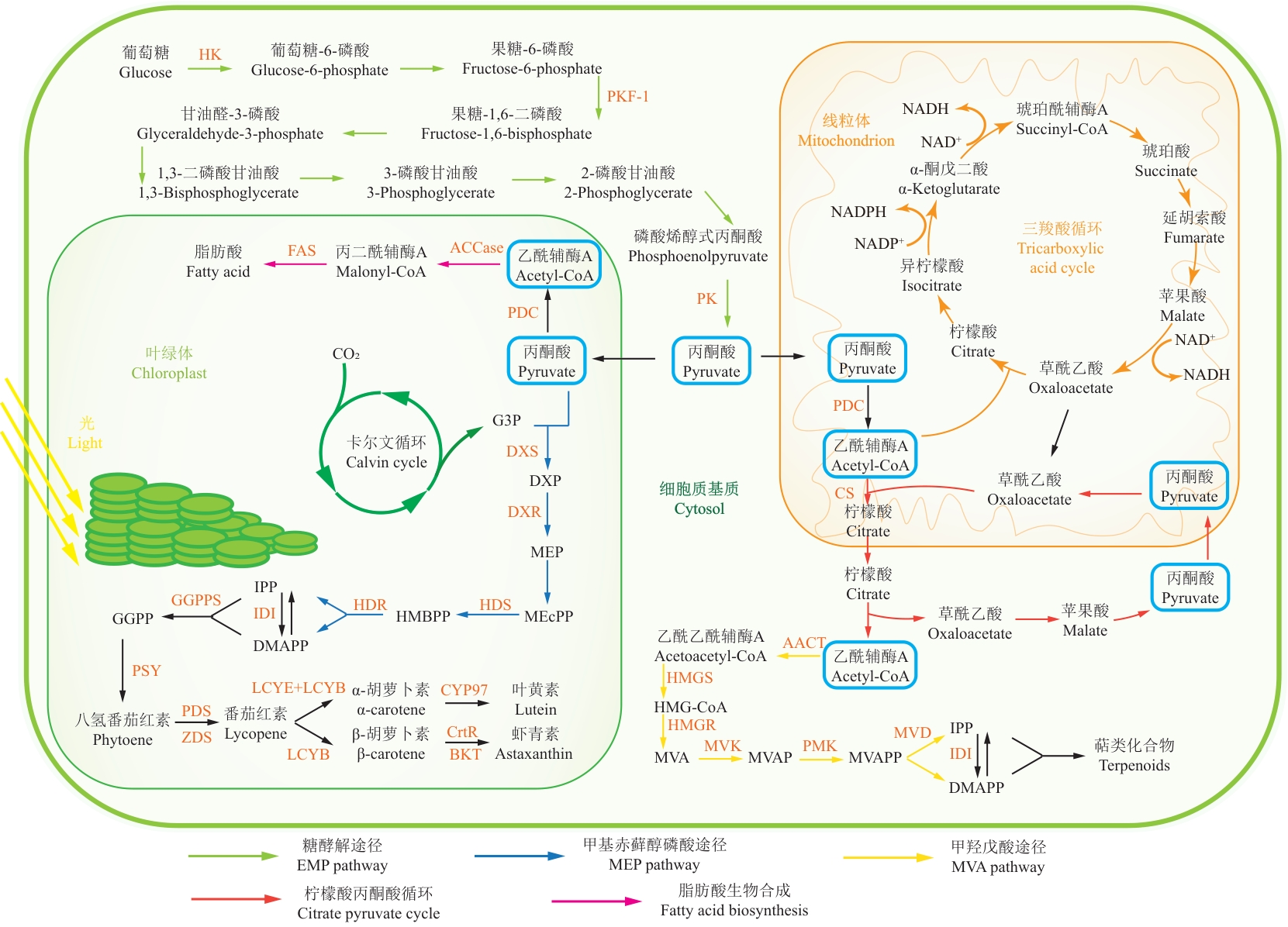
Fig. 1 Metabolic pathways for the synthesis of high-value-added products in microalgaeHK: Hexokinase; PFK-1: phosphofructokinase-1; PK: pyruvate kinase; PDC: pyruvate dehydrogenase complex; ACCase: acetyl-CoA carboxylase; FAS: fatty acid synthase complex; G3P: glyceraldehyde-3-phosphate; DXS: 1-deoxy-D-xylulose-5-phosphate synthase; DXP: 1-deoxy-D-xylulose-5-phosphate; DXR: 1-deoxy-D-xylulose-5-phosphate reductoisomerase; MEP: 2-C-methyl-D-erythritol-4-phosphate; MEcPP: 2-C-methyl-D-erythritol-2,4-cyclodiphosphate; HDS: 4-hydroxy-3-methylbut-2-enyl diphosphate synthase; HMBPP: 4-hydroxy-3-methylbut-2-enyl diphosphate; HDR: 4-hydroxy-3-methylbut-2-enyl diphosphate reductase; IPP: isopentenyl diphosphate; DMAPP: dimethylallyl diphosphate; IDI: isopentenyl diphosphate isomerase; GGPPS: geranylgeranyl diphosphate synthase; GGPP: geranylgeranyl diphosphate; PSY: phytoene synthase; PDS: phytoene desaturase; ZDS: ζ-carotene desaturase; LCYE: lycopene ε-cyclase; LCYB: lycopene β-cyclase; CYP97: cytochrome P450-type hydroxylase; CrtR: β-carotene hydroxylase; BKT: β-carotene ketolase; CS: citrate synthase; AACT: acetoacetyl-CoA thiolase; HMGS: 3-hydroxy-3-methylglutaryl-CoA synthase; HMG-CoA: 3-hydroxy-3-methylglutaryl-CoA; HMGR: 3-hydroxy-3-methylglutaryl-CoA reductase; MVK: mevalonate kinase; PMK: phosphomevalonate kinase; MVD: mevalonate diphosphate decarboxylase; MVA: mevalonic acid; MVAP: mevalonate-5-phosphate; MVAPP: mevalonate-5-diphosphate
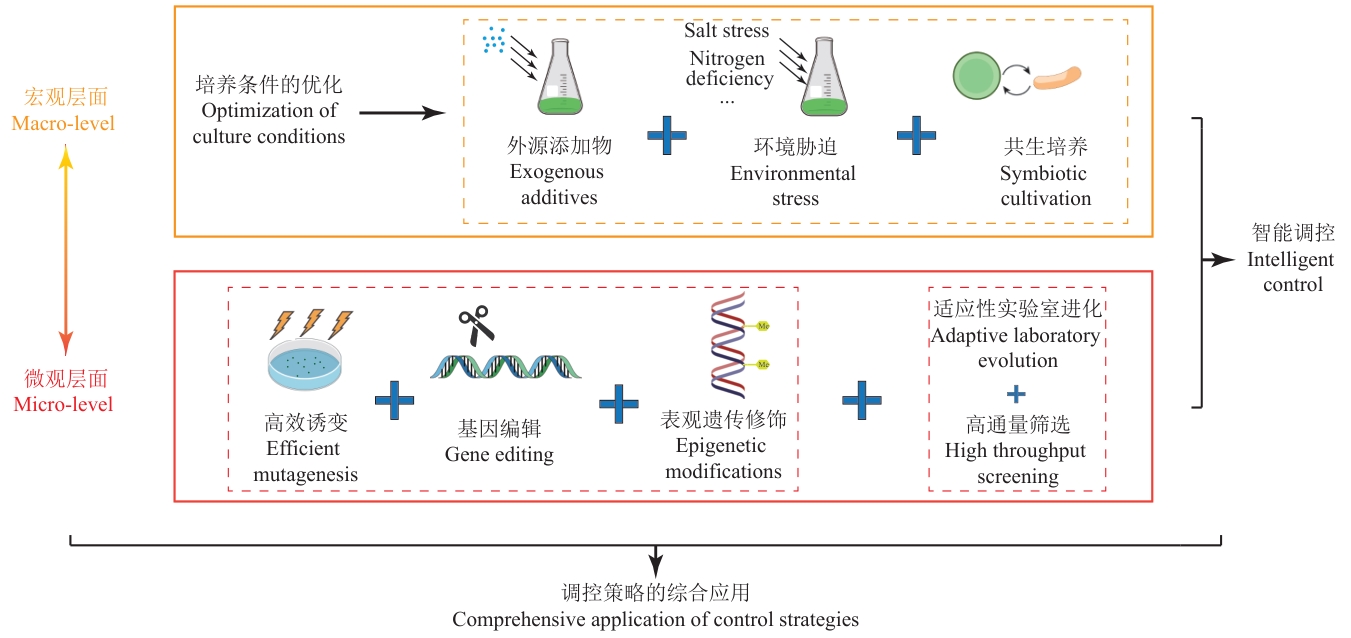
Fig. 2 Integrated application of various metabolic regulation strategies
| [1] | Hou C, Zhao J, Huang BR, et al. Microalgae-based technologies for carbon neutralization and pollutant remediation: a comprehensive and systematic review [J]. Resour Conserv Recycl, 2024, 202: 107323. |
| [2] | S․ T, S․r․ D, V․ S, et al. Harnessing algal power: Algal membrane photobioreactors revolutionizing toxic wastewater matter separation and treatment-a comprehensive review [J]. J Taiwan Inst Chem Eng, 2025, 166: 105506. |
| [3] | Udaypal, Goswami RK, Mehariya S, et al. Advances in microalgae-based carbon sequestration: Current status and future perspectives [J]. Environ Res, 2024, 249: 118397. |
| [4] | Sun L, Liu KK, Shi XY, et al. Effects of the nervonic acid-rich microalga Mychonastes afer on the growth and reproductive processes of Oryzias melastigma [J]. Algal Res, 2025, 91: 104305. |
| [5] | You XG, Yang LB, Chu HQ, et al. Micro-nano-bubbles and their application in microalgae production: Wastewater treatment, carbon capture and microalgae separation [J]. Algal Res, 2024, 78: 103398. |
| [6] | Zhang SQ, Zhang LJ, Xu G, et al. A review on biodiesel production from microalgae: Influencing parameters and recent advanced technologies [J]. Front Microbiol, 2022, 13: 970028. |
| [7] | Song XT, Liu BF, Kong FY, et al. Overview on stress-induced strategies for enhanced microalgae lipid production: Application, mechanisms and challenges [J]. Resour Conserv Recycl, 2022, 183: 106355. |
| [8] | Luo YY, Zhao SS, Fan ZX, et al. Sucrose non-fermenting 1-related protein kinase 2-14 participating in lipid elevating efficacy and biodiesel upgrade by Coccomyxa subllipsoidea [J]. Chem Eng J, 2025, 505: 159607. |
| [9] | You F, Fan YW, Tang LP, et al. Optimization of Phaeodactylum tricornutum cultivation for enhancing mariculture wastewater treatment and high value product recovery using Box-Behnken design [J]. Process Saf Environ Prot, 2025, 197: 107022. |
| [10] | Yin MS, An YL, Qi F, et al. Enhancement of non-oleaginous green microalgae Ulothrix for bio-fixing CO2 and producing biofuels by ARTP mutagenesis [J]. Biotechnol Biofuels, 2024, 17: 135. |
| [11] | Einhaus A, Krieger A, Köhne L, et al. Genome editing of epigenetic transgene silencing in Chlamydomonas reinhardtii [J]. Trends Biotechnol, 2025, 43(8): 1961-1981. |
| [12] | Xing XF, Ying KX, Liu HN, et al. Enhanced lipid production in Chlamydomonas reinhardtii: Impact of salt stress synergized with α-lipoic acid [J]. Food Chem, 2025, 486: 144596. |
| [13] | Sivaramakrishnan R, Suresh S, Kanwal S, et al. Microalgal biorefinery concepts’ developments for biofuel and bioproducts: current perspective and bottlenecks [J]. Int J Mol Sci, 2022, 23(5): 2623. |
| [14] | Kim JY, Jung JM, Jung S, et al. Biodiesel from microalgae: Recent progress and key challenges [J]. Prog Energy Combust Sci, 2022, 93: 101020. |
| [15] | Muthukumaran M, Rawindran H, Noorjahan A, et al. Microalgae-based solutions for palm oil mill effluent management: Integrating phycoremediation, biomass and biodiesel production for a greener future [J]. Biomass Bioenergy, 2024, 191: 107445. |
| [16] | Zahedi A, Behzadinia M, Abdalisousan A, et al. Technical and economical design and optimization of a solar-biodiesel collector system to supply electricity and drink water in AbuMusa Island [J]. Renew Energy, 2024, 223: 119924. |
| [17] | de Souza L, Lima AS, Matos ÂP, et al. Biopolishing sanitary landfill leachate via cultivation of lipid-rich Scenedesmus microalgae [J]. J Clean Prod, 2021, 303: 127094. |
| [18] | Xin Y, Lu YD, Lee YY, et al. Producing designer oils in industrial microalgae by rational modulation of co-evolving type-2 diacylglycerol acyltransferases [J]. Mol Plant, 2017, 10(12): 1523-1539. |
| [19] | Ugya AY, Chen H, Wang Q. Deciphering the mechanism of nano-enhanced docosahexaenoic acid accumulation in microalgae [J]. J CO2 Util, 2025, 100: 103182. |
| [20] | Berzal G, García-García P, Señoráns FJ. Integrated process for Schizochytrium oil extraction, enzymatic modification of lipids and concentration of DHA fatty acid esters using alternative methodologies [J]. Mar Drugs, 2024, 22(4): 146. |
| [21] | Srivastava A, Kalwani M, Chakdar H, et al. Biosynthesis and biotechnological interventions for commercial production of microalgal pigments: a review [J]. Bioresour Technol, 2022, 352: 127071. |
| [22] | Huang JJ, Xie Q, Lin SL, et al. Microalgae-derived astaxanthin: bioactivities, biotechnological approaches and industrial technologies for its production [J]. Crit Rev Food Sci Nutr, 2025, 65(31): 7358-7392. |
| [23] | Tambat VS, Singhania RR, Sumathi Y, et al. Astaxanthin: nature’s multifunctional molecule, natural sources, health benefits, and process advancements [J]. Crit Rev Biotechnol, 2026, 46(1): 61-79. |
| [24] | Chini Zittelli G, Lauceri R, Faraloni C, et al. Valuable pigments from microalgae: phycobiliproteins, primary carotenoids, and fucoxanthin [J]. Photochem Photobiol Sci, 2023, 22(8): 1733-1789. |
| [25] | Mostafa HS, Hashem MM. Microalgae as a source of carotenoids in foods, obstacles and solutions [J]. Phytochem Rev, 2025, 24(5): 4295-4337. |
| [26] | Yao T, Huang JK, Su BC, et al. Enhanced phycocyanin production of Arthrospira maxima by addition of mineral elements and polypeptides using response surface methodology [J]. Front Mar Sci, 2022, 9: 1057201. |
| [27] | Tambat VS, Patel AK, Singhania RR, et al. Sustainable mixotrophic microalgae refinery of astaxanthin and lipid from Chlorella zofingiensis [J]. Bioresour Technol, 2023, 387: 129635. |
| [28] | Acheampong A, Fetisoa MR, Bondzie-Quaye P, et al. Synergistic effects of arginine and calcium on astaxanthin and lipid accumulation in Haematococcus pluvialis under high light conditions [J]. Aquaculture, 2025, 598: 742039. |
| [29] | Huang DQ, Liu CL, Su MS, et al. Enhancement of β-carotene content in Chlamydomonas reinhardtii by expressing bacterium-driven lycopene β-cyclase [J]. Biotechnol Biofuels, 2023, 16: 127. |
| [30] | Patel AK, Vadrale AP, Singhania RR, et al. Enhanced mixotrophic production of lutein and lipid from potential microalgae isolate Chlorella sorokiniana C16 [J]. Bioresour Technol, 2023, 386: 129477. |
| [31] | Ren JZ, Wu Y, Zhu ZP, et al. Biosynthesis and regulation of diterpenoids in medicinal plants [J]. Chin J Nat Med, 2022, 20(10): 761-772. |
| [32] | Huang PW, Wang LR, Geng SS, et al. Strategies for enhancing terpenoids accumulation in microalgae [J]. Appl Microbiol Biotechnol, 2021, 105(12): 4919-4930. |
| [33] | Li MJ, Ma SL, Zhao JL, et al. Efficient photoproduction of a high-value sesquiterpene pentalenene from the green microalga Chlamydomonas reinhardtii [J]. Plant J, 2025, 123(2): e70354. |
| [34] | Einhaus A, Steube J, Freudenberg RA, et al. Engineering a powerful green cell factory for robust photoautotrophic diterpenoid production [J]. Metab Eng, 2022, 73: 82-90. |
| [35] | Tounsi L, Hentati F, Ben Hlima H, et al. Microalgae as feedstock for bioactive polysaccharides [J]. Int J Biol Macromol, 2022, 221: 1238-1250. |
| [36] | Liberti D, Imbimbo P, Giustino E, et al. Shedding light on the hidden benefit of Porphyridium cruentum culture [J]. Antioxidants, 2023, 12(2): 337. |
| [37] | Kronusová O, Kaštánek P, Koyun G, et al. Factors influencing the production of extracellular polysaccharides by the green algae Dictyosphaerium chlorelloides and their isolation, purification, and composition [J]. Microorganisms, 2022, 10(7): 1473. |
| [38] | Mosibo OK, Ferrentino G, Udenigwe CC. Microalgae proteins as sustainable ingredients in novel foods: recent developments and challenges [J]. Foods, 2024, 13(5): 733. |
| [39] | Bermudez G, Terenzi C, Medri F, et al. Extraction and analytical methods for the characterization of polyphenols in marine microalgae: a review [J]. Mar Drugs, 2024, 22(12): 538. |
| [40] | Nemzer BV, Al-Taher F, Kalita D, et al. Health-improving effects of polyphenols on the human intestinal microbiota: a review [J]. Int J Mol Sci, 2025, 26(3): 1335. |
| [41] | Sañé E, Del Mondo A, Ambrosino L, et al. The recent advanced in microalgal phytosterols: bioactive ingredients along with human-health driven potential applications [J]. Food Rev Int, 2023, 39(4): 1859-1878. |
| [42] | 张冬梅, 陈钧辉. 普通生物化学 [M]. 6版. 北京: 高等教育出版社, 2021. |
| Zhang DM, Chen JH. General biochemistry [M]. 6th ed. Beijing: Higher Education Press, 2021. | |
| [43] | Hirokawa Y, Kubo T, Soma Y, et al. Enhancement of acetyl-CoA flux for photosynthetic chemical production by pyruvate dehydrogenase complex overexpression in Synechococcus elongatus PCC 7942 [J]. Metab Eng, 2020, 57: 23-30. |
| [44] | 孙翰, 刘进. 真核微藻脂质代谢工程的研究进展和展望 [J]. 合成生物学, 2023, 4(6): 1140-1160. |
| Sun H, Liu J. Research progress and prospects in lipid metabolic engineering of eukaryotic microalgae [J]. Synth Biol J, 2023, 4(6): 1140-1160. | |
| [45] | Zhang SM, Wu SW, Hou QC, et al. Fatty acid de novo biosynthesis in plastids: Key enzymes and their critical roles for male reproduction and other processes in plants [J]. Plant Physiol Biochem, 2024, 210: 108654. |
| [46] | Singh A, Singh S, Singh S, et al. Harnessing bioenergy potential of Chlamydomonas reinhardtii: a comprehensive characterization and valorization of biomass towards energy conversion under circular bioeconomy [J]. Renew Energy, 2025, 240: 122256. |
| [47] | Li YL, Sun H, Wang YN, et al. Integrated metabolic tools reveal carbon alternative in Isochrysis zhangjiangensis for fucoxanthin improvement [J]. Bioresour Technol, 2022, 347: 126401. |
| [48] | Shafaghat Z, Najafi F, Khavari-Nejad RA, et al. Phytohormone-induced changes in growth, physiology, and biochemistry of Aurantiochytrium sp. for sustainable bioproduction [J]. Bioresour Technol, 2024, 410: 131249. |
| [49] | 于博涵, 高保燕, 张虎, 等. 布朗葡萄藻: 从二氧化碳固定到烷烃、烯烃与萜烯的生物合成 [J]. 中国生物工程杂志, 2024, 44(2): 164-175. |
| Yu BH, Gao BY, Zhang H, et al. Botryococcus braunii: from carbon dioxide fixation to the biosynthesis of alkanes, alkenes and terpenes [J]. China Biotechnol, 2024, 44(2): 164-175. | |
| [50] | Du PP, He H, Wang JY, et al. Genome-wide identification and characterization of the HMGR gene family in Taraxacum kok-saghyz provide insights into its regulation in response to ethylene and methyl jsamonate treatments [J]. Plants, 2024, 13(18): 2646. |
| [51] | Park YK, Sellés Vidal L, Bell D, et al. Efficient synthesis of limonene production in Yarrowia lipolytica by combinatorial engineering strategies [J]. Biotechnol Biofuels, 2024, 17: 94. |
| [52] | Al Hoqani U, León R, Purton S. Over-expression of a cyanobacterial gene for 1-deoxy-d-xylulose-5-phosphate synthase in the chloroplast of Chlamydomonas reinhardtii perturbs chlorophyll: carotenoid ratios [J]. J King Saud Univ Sci, 2022, 34(6): 102141. |
| [53] | Dou XT, Li MJ, Ge YL, et al. Photoproduction of aviation fuel β-caryophyllene from the eukaryotic green microalga Chlamydomonas reinhardtii [J]. Biotech & Bioengineering, 2025, 122(3): 698-709. |
| [54] | Cao K, Cui YL, Sun FJ, et al. Metabolic engineering and synthetic biology strategies for producing high-value natural pigments in Microalgae [J]. Biotechnol Adv, 2023, 68: 108236. |
| [55] | Velmurugan A, Kodiveri Muthukaliannan G. Homologous and heterologous expression of phytoene synthase gene in marine microalgae Dunaliella salina and its potential as aquaculture feed [J]. Aquacult Int, 2023, 31(6): 3125-3144. |
| [56] | He YL, Ji L, Yuan YC, et al. Recent advances in polysaccharide-dominated extracellular polymeric substances from microalgae: a review [J]. Int J Biol Macromol, 2025, 302: 140572. |
| [57] | Su YX, Hu JY, Xia MS, et al. An undiscovered circadian clock to regulate phytoplankton photosynthesis [J]. PNAS Nexus, 2024, 3(11): pgae497. |
| [58] | Ievina B, Romagnoli F. Unveiling underlying factors for optimizing light spectrum to enhance microalgae growth [J]. Bioresour Technol, 2025, 418: 131980. |
| [59] | Sun H, Li XJ, Ren YY, et al. Boost carbon availability and value in algal cell for economic deployment of biomass [J]. Bioresour Technol, 2020, 300: 122640. |
| [60] | Torres-Martínez JJ, Martínez-Constantino A, González-Ortega O, et al. Impact of blue and red light on lipid accumulation in Chlorella vulgaris and Scenedesmus acutus [J]. J Appl Phycol, 2025, 37(4): 2301-2311. |
| [61] | Sun ZL, Chen YF, Du JC. Elevated CO2 improves lipid accumulation by increasing carbon metabolism in Chlorella sorokiniana [J]. Plant Biotechnol J, 2016, 14(2): 557-566. |
| [62] | Xing DX, Wang HT, Li SZ, et al. Stable isotope labeling and functional gene prediction elucidate the carbon metabolism in fermentative bacteria and microalgae coupling system [J]. Water Res, 2024, 263: 122153. |
| [63] | Gao PT, Gao YD, Guo L, et al. iTRAQ-based proteome profiling revealed the carbon metabolism regulation for mariculture wastewater treatment with Bacterial-Algal Coupling Technology [J]. Chem Eng J, 2022, 439: 135579. |
| [64] | Liu PY, Ai YH, Li MZ, et al. Discovery of mannose as an alternative non-nutrient-deficient regulator of lipid accumulation in microalgae [J]. J Adv Res, 2026, 79: 239-250. |
| [65] | Mao BD, Vadiveloo A, Li KY, et al. Bioconversion of C1 and C2 artificial photosynthesis products into high-value bioproducts by mixotrophic microalgae Chlorella pyrenoidosa [J]. Chem Eng J, 2024, 499: 155979. |
| [66] | Yao DD, Wu LY, Tan D, et al. Enhancing CO2 fixation by microalgae in a Photobioreactor: Molecular mechanisms with exogenous carbonic anhydrase [J]. Bioresour Technol, 2024, 408: 131176. |
| [67] | Wang C, Qi M, Guo JM, et al. The active phytohormone in microalgae: the characteristics, efficient detection, and their adversity resistance applications [J]. Molecules, 2022, 27(1): 46. |
| [68] | Xie ZJ, Ma SM, Cao YQ, et al. Effects of six phytohormones on the growth behavior and cellular biochemical components of Chlorella vulgaris 31 [J]. J Appl Phycol, 2023, 35(4): 1589-1602. |
| [69] | Zhang XW, Zhang Z, Peng YM, et al. Salicylic acid enhances cell growth, fatty acid and astaxanthin production in heterotrophic Chromochloris zofingiensis without reactive oxygen species elevation [J]. Biotechnol Biofuels, 2024, 17: 1. |
| [70] | Wang JJ, Tian QH, Zeng WM, et al. Insights about fungus-microalgae symbiotic system in microalgae harvesting and wastewater treatment: a review [J]. Renew Sustain Energy Rev, 2023, 182: 113408. |
| [71] | Ali S, Waqas W, Bakky MAH, et al. Implications of microalgal-bacterial interactions in modern aquaculture practices: a review of the current knowledge [J]. Rev Aquac, 2025, 17: e12980. |
| [72] | Patidar SK. Metabolic interactions between microalgae and bacteria: Multifunctional ecological interplay and environmental applications [J]. Algal Res, 2025, 86: 103904. |
| [73] | Ren ZJ, Li HX, Sun P, et al. Development and challenges of emerging biological technologies for algal-bacterial symbiosis systems: a review [J]. Bioresour Technol, 2024, 413: 131459. |
| [74] | Wang SK, Yang KX, Zhu YR, et al. One-step co-cultivation and flocculation of microalgae with filamentous fungi to valorize starch wastewater into high-value biomass [J]. Bioresour Technol, 2022, 361: 127625. |
| [75] | Yu Q, Chen X, Ai SH, et al. Comprehensive transcriptomic and metabolomic insights into simultaneous CO2 sequestration and nitrate removal by the Chlorella vulgaris and Pseudomonas sp. consortium [J]. Environ Res, 2024, 259: 119540. |
| [76] | Ugya AY, Yan CL, Ari HA, et al. Salinity stress adaptation enhances metabolic flux towards polyhydroxyalkanoate biosynthesis in microalgae biofilm [J]. Chem Eng J, 2025, 519: 165423. |
| [77] | Zhou LL, Niu XJ, Zhang DQ, et al. Insight into an efficient microalgae co-culture system for biogas slurry treatment: Nutrients recovery and valuable biomass production [J]. J Water Process Eng, 2024, 60: 105111. |
| [78] | Uganeeswary S, Kee LM, Wei LJ, et al. Influence of environmental stress on microalgae growth and lipid profile: a systematic review [J]. Phytochem Rev, 2022, 22(4): 879-901. |
| [79] | Cañavate JP, Fernández-Díaz C. An appraisal of the variable response of microalgal lipids to culture salinity [J]. Rev Aquac, 2022, 14(1): 192-212. |
| [80] | Ho SH, Nakanishi A, Kato Y, et al. Dynamic metabolic profiling together with transcription analysis reveals salinity-induced starch-to-lipid biosynthesis in Alga chlamydomonas sp. JSC4 [J]. Sci Rep, 2017, 7: 45471. |
| [81] | Li TL, Zhang YW, Jia YL, et al. Physiological and transcriptomic responses of soil green Alga desmochloris sp. FACHB-3271 to salt stress [J]. Algal Res, 2025, 88: 104006. |
| [82] | Jia J, Han DX, Gerken HG, et al. Molecular mechanisms for photosynthetic carbon partitioning into storage neutral lipids in Nannochloropsis oceanica under nitrogen-depletion conditions [J]. Algal Res, 2015, 7: 66-77. |
| [83] | Scarsini M, Thiriet-Rupert S, Veidl B, et al. The transition toward nitrogen deprivation in diatoms requires chloroplast stand-by and deep metabolic reshuffling [J]. Front Plant Sci, 2022, 12: 760516. |
| [84] | Turab A, Sun X, Elahi A, et al. Upregulation of photosynthesis and TAG biosynthesis genes enhanced lipid production in ARTP-mutated Scenedesmus sp. via multi-omics analysis [J]. J Environ Chem Eng, 2025, 13(5): 117629. |
| [85] | Acheampong A, Bondzie-Quaye P, Fetisoa MR, et al. Applications of low-temperature plasma technology in microalgae cultivation and mutant breeding: a comprehensive review [J]. Bioresour Technol, 2025, 419: 132019. |
| [86] | Arora N, Lo E, Philippidis GP. A two-prong mutagenesis and adaptive evolution strategy to enhance the temperature tolerance and productivity of Nannochloropsis oculata [J]. Bioresour Technol, 2022, 364: 128101. |
| [87] | Xie YP, Lin WJ, Zhang W, et al. Chlorophyll-deficient triggers heterotrophic lutein-directed biosynthesis in a novel mutant strain of Chlorella sorokiniana (Chlorophyta): Process characterization and underlying mechanism [J]. Aquaculture, 2025, 598: 741998. |
| [88] | Zhang Q, Miao RY, Feng RC, et al. Application of atmospheric and room-temperature plasma (ARTP) to microbial breeding [J]. Current Issues in Molecular Biology, 2023, 45(8): 6466-6484. |
| [89] | Elshobary ME, Zabed HM, Qi XH, et al. Enhancing biomass and lipid productivity of a green microalga Parachlorella kessleri for biodiesel production using rapid mutation of atmospheric and room temperature plasma [J]. Biotechnol Biofuels, 2022, 15: 122. |
| [90] | Imamura S, Yamada K, Takebe H, et al. Optimal conditions of algal breeding using neutral beam and applying it to breed Euglena gracilis strains with improved lipid accumulation [J]. Sci Rep, 2024, 14: 14716. |
| [91] | Guo XP, Ren JL, Zhou X, et al. Strategies to improve the efficiency and quality of mutant breeding using heavy-ion beam irradiation [J]. Crit Rev Biotechnol, 2024, 44(5): 735-752. |
| [92] | Wang J, Li X, Wang JF, et al. Comparative proteomics reveals energy and carbon metabolism changes in Scenedesmus quadricauda mutants induced by heavy-ion beam irradiation [J]. Bioresour Technol, 2024, 406: 130965. |
| [93] | Chen ZS, Tan L, Yang BJ, et al. A mutant of seawater Arthrospira platensis with high polysaccharides production induced by space environment and its application potential [J]. Algal Res, 2022, 61: 102562. |
| [94] | Song KJ, Zhou ZZ, Huang YX, et al. Multi-omics insights into the mechanism of the high-temperature tolerance in a thermotolerant Chlorella sorokiniana [J]. Bioresour Technol, 2023, 390: 129859. |
| [95] | Liu Y, Chen X, Wei D, et al. Rapid screening of high-protein Auxenochlorella pyrenoidosa mutant by an integrated system of atmospheric and room temperature plasma mutagenesis and high-throughput microbial microdroplet culture [J]. Algal Res, 2024, 80: 103509. |
| [96] | Wang YH, Sun YS. Use microfluidics to create microdroplets for culturing and investigating algal cells in a high-throughput manner [J]. Microfluid Nanofluid, 2023, 27(4): 27. |
| [97] | Zhao JH, Guo HS. RNA silencing: From discovery and elucidation to application and perspectives [J]. J Integr Plant Biol, 2022, 64(2): 476-498. |
| [98] | Aljabali AAA, El-Tanani M, Tambuwala MM. Principles of CRISPR-Cas9 technology: Advancements in genome editing and emerging trends in drug delivery [J]. J Drug Deliv Sci Technol, 2024, 92: 105338. |
| [99] | Berman A, Su N, Li ZR, et al. Construction of multi-targeted CRISPR libraries in tomato to overcome functional redundancy at genome-scale level [J]. Nat Commun, 2025, 16: 4111. |
| [100] | Nishida K, Kondo A. CRISPR-derived genome editing technologies for metabolic engineering [J]. Metab Eng, 2021, 63: 141-147. |
| [101] | Saito N, Katayama T, Minami A, et al. Versatile filamentous fungal host highly-producing heterologous natural products developed by genome editing-mediated engineering of multiple metabolic pathways [J]. Commun Biol, 2024, 7: 1263. |
| [102] | Jia B, Yin JB, Li XL, et al. Increased lipids in Chlamydomonas reinhardtii by multiple regulations of DOF, LACS2, and CIS1 [J]. Int J Mol Sci, 2022, 23(17): 10176. |
| [103] | Li ZZ, Kim M, da Silva Nascimento JR, et al. Knocking out the carboxyltransferase interactor 1 (CTI1) in Chlamydomonas boosted oil content by fivefold without affecting cell growth [J]. Plant Biotechnol J, 2025, 23(4): 1230-1242. |
| [104] | Xue J, Li T, Chen TT, et al. Regulation of malate-pyruvate pathway unifies the adequate provision of metabolic carbon precursors and NADPH in Tetradesmus obliquus [J]. Algal Res, 2021, 57: 102340. |
| [105] | Südfeld C, Kiyani A, Wefelmeier K, et al. Expression of glycerol-3-phosphate acyltransferase increases non-polar lipid accumulation in Nannochloropsis oceanica [J]. Microb Cell Fact, 2023, 22: 12. |
| [106] | Zhao JL, Ge YL, Liu KQ, et al. Overexpression of a MYB1 transcription factor enhances triacylglycerol and starch accumulation and biomass production in the green microalga Chlamydomonas reinhardtii [J]. J Agric Food Chem, 2023, 71(46): 17833-17841. |
| [107] | Bacova R, Kolackova M, Klejdus B, et al. Epigenetic mechanisms leading to genetic flexibility during abiotic stress responses in microalgae: a review [J]. Algal Res, 2020, 50: 101999. |
| [108] | Gong YH, Wang QT, Wei L, et al. Genome-wide adenine N6-methylation map reveals epigenomic regulation of lipid accumulation in Nannochloropsis [J]. Plant Commun, 2024, 5(3): 100773. |
| [109] | Yang YN, Yang M, Zhou YH, et al. Effect of RNA demethylase FTO overexpression on biomass and bioactive substances in diatom Phaeodactylum tricornutum [J]. Biology, 2025, 14(4): 414. |
| [110] | Liu DM, Wei L. Epigenetic regulation in response to CO2 fluctuation in marine microalga Nannochloropsis oceanica [J]. Microb Ecol, 2024, 87: 4. |
| [111] | Wang J, Ouyang LY, Wei L. Novel insight of nitrogen deprivation affected lipid accumulation by genome-wide lactylation in Nannochloropsis oceanica [J]. J Agric Food Chem, 2023, 71(26): 10107-10123. |
| [112] | Heidari Baladehi M, Hekmatara M, He YH, et al. Culture-free identification and metabolic profiling of microalgal single cells via ensemble learning of ramanomes [J]. Anal Chem, 2021, 93(25): 8872-8880. |
| [113] | Shen YT, Zhang ZX, Qi X, et al. Harnessing microalgae: Pioneering strategies for cost-effective EPA synthesis [J]. Food Biosci, 2025, 68: 106687. |
| [114] | Kugler A, Stensjö K. Machine learning predicts system-wide metabolic flux control in cyanobacteria [J]. Metab Eng, 2024, 82: 171-182. |
| [115] | Li HK, Chen LJ, Zhang F, et al. Graph-learning-based machine learning improves prediction and cultivation of commercial-grade marine microalgae Porphyridium [J]. Bioresour Technol, 2025, 416: 131728. |
| [116] | Yadav I, Rautela A, Gangwar A, et al. Enhancement of isoprene production in engineered Synechococcus elongatus UTEX 2973 by metabolic pathway inhibition and machine learning-based optimization strategy [J]. Bioresour Technol, 2023, 387: 129677. |
| [117] | Yeh YC, Syed T, Brinitzer G, et al. Improving microalgae growth modeling of outdoor cultivation with light history data using machine learning models: a comparative study [J]. Bioresour Technol, 2023, 390: 129882. |
| [1] | WANG He-yao, SUN Hong-mei. Research Progress in the Function and Formation Mechanism of Trichomes in Horticultural Plants [J]. Biotechnology Bulletin, 2026, 42(3): 242-254. |
| [2] | LIU Na, ZENG Bao-zhen, JIA Zhao-xing, ZHU Ying-fang. Advances in Epigenetic Regulation of Tomato Fruit Development and Ripening [J]. Biotechnology Bulletin, 2026, 42(3): 37-47. |
| [3] | PENG Chu, SUN Juan-li, ZHENG Bei-bei, ZHANG Ruo-xi, HAN Yue-peng, ZHAO Yun. Research Progress in the Enzymatic Degradation Mechanism of Anthocyanins in Fruits [J]. Biotechnology Bulletin, 2026, 42(3): 133-144. |
| [4] | ZHAO Yan-xia, LI Qian, SUN Jia-bo, LIANG Hong-min, LI Bing-bing. Key Regulatory Genes and Molecular Networks Dissection Underlying Strawberry Fruit Quality Formation [J]. Biotechnology Bulletin, 2026, 42(3): 111-132. |
| [5] | LIN Jia-yi, CHEN Qiang, ZHANG Lei, LIU Hong-xin, ZHENG Xiao-ming, PANG Hong-bo. Research Progress in Melatonin in Plant Low-temperature Stress [J]. Biotechnology Bulletin, 2025, 41(7): 37-48. |
| [6] | LIU Yuan-yuan, CHEN Xi-feng, QIAN Qian, GAO Zhen-yu. Advances in Molecular Mechanisms Regulating Panicle Development in Rice [J]. Biotechnology Bulletin, 2025, 41(5): 1-13. |
| [7] | ZHANG Xiao-dan, YIN Zheng, LIU Qing-chen, LI Xue-mei, LIU Xiao-hua, LIANG Mei-xia. Integrated Metabolomic and Transcriptomic Analysis Reveals the Mechanism of Prunus davidiana Response to Freezing Stress [J]. Biotechnology Bulletin, 2025, 41(12): 225-239. |
| [8] | DU Zhong-yang, YANG Ze, LIANG Meng-jing, LIU Yi-zhen, CUI Hong-li, SHI Da-ming, XUE Jin-ai, SUN Yan, ZHANG Chun-hui, JI Chun-li, LI Run-zhi. Effect of Nano-selenium(SeNPs)in Alleviating Lead Stress and Promoting Growth of Tobacco Seedlings [J]. Biotechnology Bulletin, 2024, 40(7): 183-196. |
| [9] | SHEN Tian-hong, QI Xiao-bo, ZHAO Rui-feng, MA Xin-rong. Research Progress in the Molecular Mechanisms of Microalgae Responding to Salt Stress [J]. Biotechnology Bulletin, 2024, 40(3): 89-99. |
| [10] | WANG Tian-yi, WANG Rong-huan, WANG Xia-qing, ZHANG Ru-yang, XU Rui-bin, JIAO Yan-yan, SUN Xuan, WANG Ji-dong, SONG Wei, ZHAO Jiu-ran. Research in Maize Dwarf Genes and Dwarf Breeding [J]. Biotechnology Bulletin, 2023, 39(8): 43-51. |
| [11] | ZHANG Bei, REN Fu-sen, ZHAO Yang, GUO Zhi-wei, SUN Qiang, LIU He-juan, ZHEN Jun-qi, WANG Tong-tong, CHENG Xiang-jie. Advances in the Mechanism of Pepper in the Response to Heat Stress [J]. Biotechnology Bulletin, 2023, 39(7): 37-47. |
| [12] | ZHANG He-chen, YUAN Xin, GAO Jie, WANG Xiao-chen, WANG Hui-juan, LI Yan-min, WANG Li-min, FU Zhen-zhu, LI Bao-yin. Mechanism of Flower Petal Coloration and Molecular Breeding [J]. Biotechnology Bulletin, 2023, 39(5): 23-31. |
| [13] | ZHANG Long-xi, LYU Lin, ZHANG Huan-huan, ZHOU Jin-cheng, CHE Wu-nan, DONG Hui. Research Progress in the Application of RNAi Technology in Parasitoid Wasps [J]. Biotechnology Bulletin, 2023, 39(12): 99-108. |
| [14] | QI Fang-ting, HUANG He. Research Advance in the Regulation Mechanism of Flower Spots Formation in Ornamental Plant [J]. Biotechnology Bulletin, 2023, 39(10): 17-28. |
| [15] | JIN Yun-qian, WANG Bin, GUO Shu-lei, ZHAO Lin-xi, HAN Zan-ping. Research Progress in Gibberellin Regulation on Maize Seed Vigor [J]. Biotechnology Bulletin, 2023, 39(1): 84-94. |
| Viewed | ||||||
|
Full text |
|
|||||
|
Abstract |
|
|||||
