







Biotechnology Bulletin ›› 2026, Vol. 42 ›› Issue (9): 157-168.doi: 10.13560/j.cnki.biotech.bull.1985.2025-1396
SANG Zhi-peng1, HOU Dong1,2( ), WANG Hui-ting1, YUE Hong-zhong2, LI Ya-li2, XIE Jian-ming1, LU Wen3, XU Zhao-tai4
Received:2025-12-21
Online:2026-09-26
Published:2026-09-16
Contact:
HOU Dong
E-mail:houdong215@163.com
SANG Zhi-peng, HOU Dong, WANG Hui-ting, YUE Hong-zhong, LI Ya-li, XIE Jian-ming, LU Wen, XU Zhao-tai. Identification of the Cucumber CsHXKs Gene Family and Regulation of Floral Organ Sugar Accumulation by CsHKL1.2[J]. Biotechnology Bulletin, 2026, 42(9): 157-168.
| 基因IDGene ID | 基因名称Gene name | 氨基酸数 Amino acid number | 分子量 Molecular weight (Da) | 等电点pI | 不稳定指数 Instability index | 脂肪系数 Aliphatic index | 总平均亲水性 Grand average of hydropathicity |
|---|---|---|---|---|---|---|---|
| CsaV3_2G001860.1 | CsHXK1 | 547 | 59 630.97 | 6.46 | 26.92 | 99.31 | -0.007 |
| CsaV3_1G039830.1 | CsHXK2 | 498 | 54 226.37 | 6.00 | 34.78 | 92.03 | -0.070 |
| CsaV3_3G045830.1 | CsHXK3 | 488 | 52 745.49 | 5.91 | 39.63 | 93.52 | -0.007 |
| CsaV3_6G039140.1 | CsHKL1.1 | 502 | 54 631.98 | 7.15 | 41.49 | 99.76 | 0.022 |
| CsaV3_1G043010.1 | CsHKL1.2 | 371 | 40 373.18 | 5.16 | 41.80 | 95.96 | -0.012 |
| CsaV3_6G044550.1 | CsHKL3 | 500 | 54 756.22 | 5.77 | 36.65 | 89.72 | -0.142 |
Table 1 Physicochemical property analysis of HXK proteins
| 基因IDGene ID | 基因名称Gene name | 氨基酸数 Amino acid number | 分子量 Molecular weight (Da) | 等电点pI | 不稳定指数 Instability index | 脂肪系数 Aliphatic index | 总平均亲水性 Grand average of hydropathicity |
|---|---|---|---|---|---|---|---|
| CsaV3_2G001860.1 | CsHXK1 | 547 | 59 630.97 | 6.46 | 26.92 | 99.31 | -0.007 |
| CsaV3_1G039830.1 | CsHXK2 | 498 | 54 226.37 | 6.00 | 34.78 | 92.03 | -0.070 |
| CsaV3_3G045830.1 | CsHXK3 | 488 | 52 745.49 | 5.91 | 39.63 | 93.52 | -0.007 |
| CsaV3_6G039140.1 | CsHKL1.1 | 502 | 54 631.98 | 7.15 | 41.49 | 99.76 | 0.022 |
| CsaV3_1G043010.1 | CsHKL1.2 | 371 | 40 373.18 | 5.16 | 41.80 | 95.96 | -0.012 |
| CsaV3_6G044550.1 | CsHKL3 | 500 | 54 756.22 | 5.77 | 36.65 | 89.72 | -0.142 |
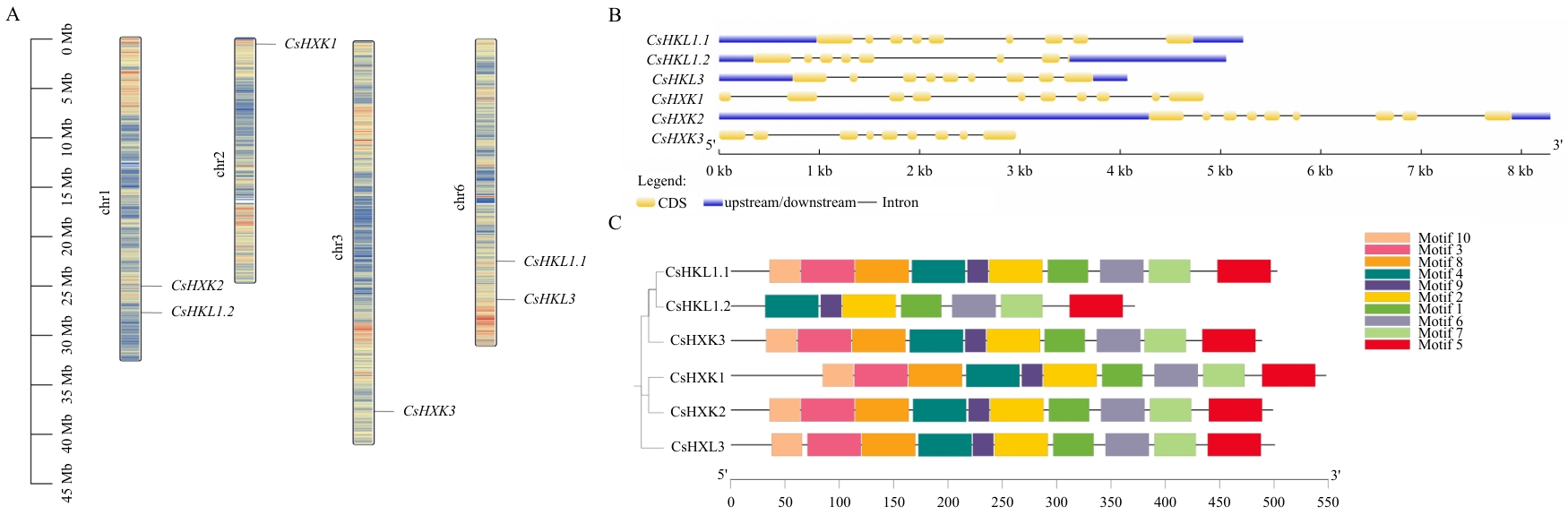
Fig. 1 Chromosomal localization (A), gene structure (B) and conserved motif analysis (C) of the CsHXKs gene family in cucumber
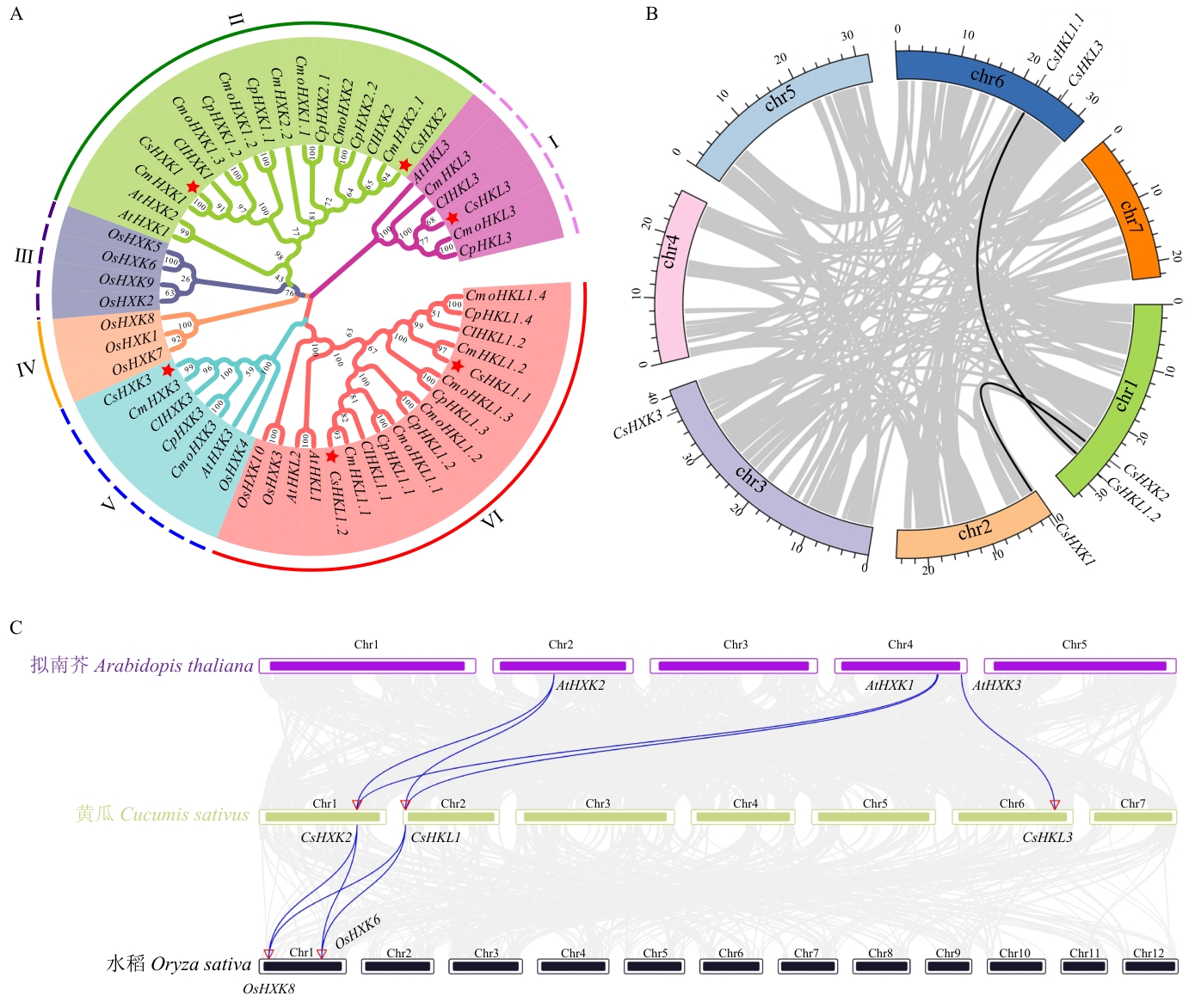
Fig. 2 Phylogenetic tree and collinearity analysis of the CsHXKs gene familyA: Phylogenetic analysis of HXK family genes from Oryza sativa (Os), Arabidopsis thaliana (At), Cucumis sativus (Cs), Cucurbita moschata (Cmo), Cucumis melo (Cm), Citrullus lanatus (Ci) and Cucurbita pepo (Cp), red pentagrams indicate members of the CsHXKs gene family in cucumber. B: Collinearity analysis within the cucumber genome. C: Collinearity analysis among cucumber (C. sativus), A. thaliana and Oryza sativa
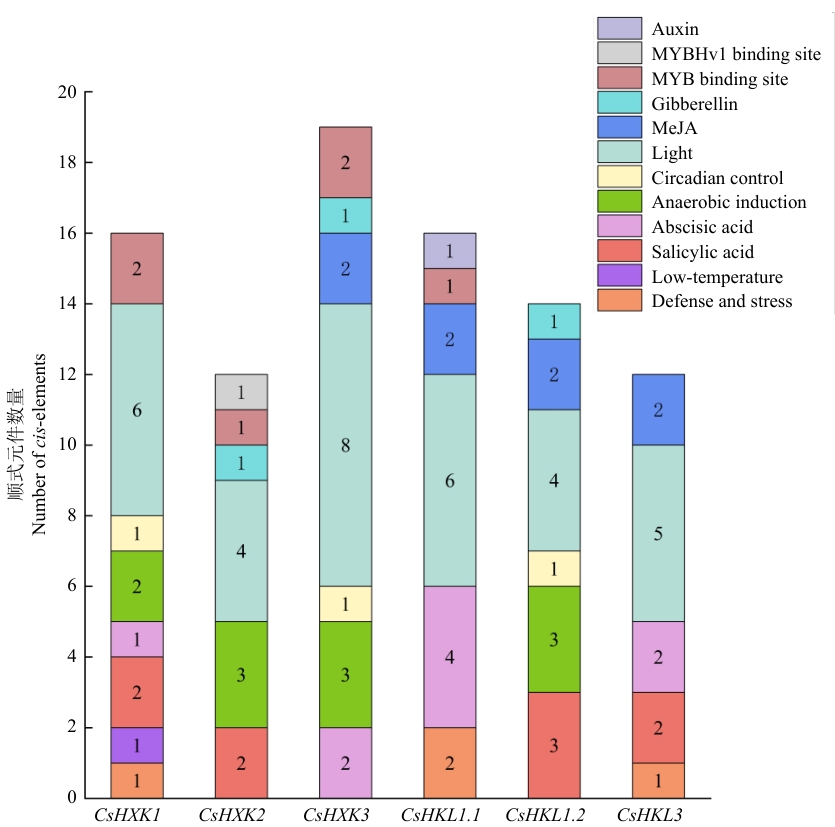
Fig. 3 Prediction of cis-elements in the members of the CsHXKs gene family
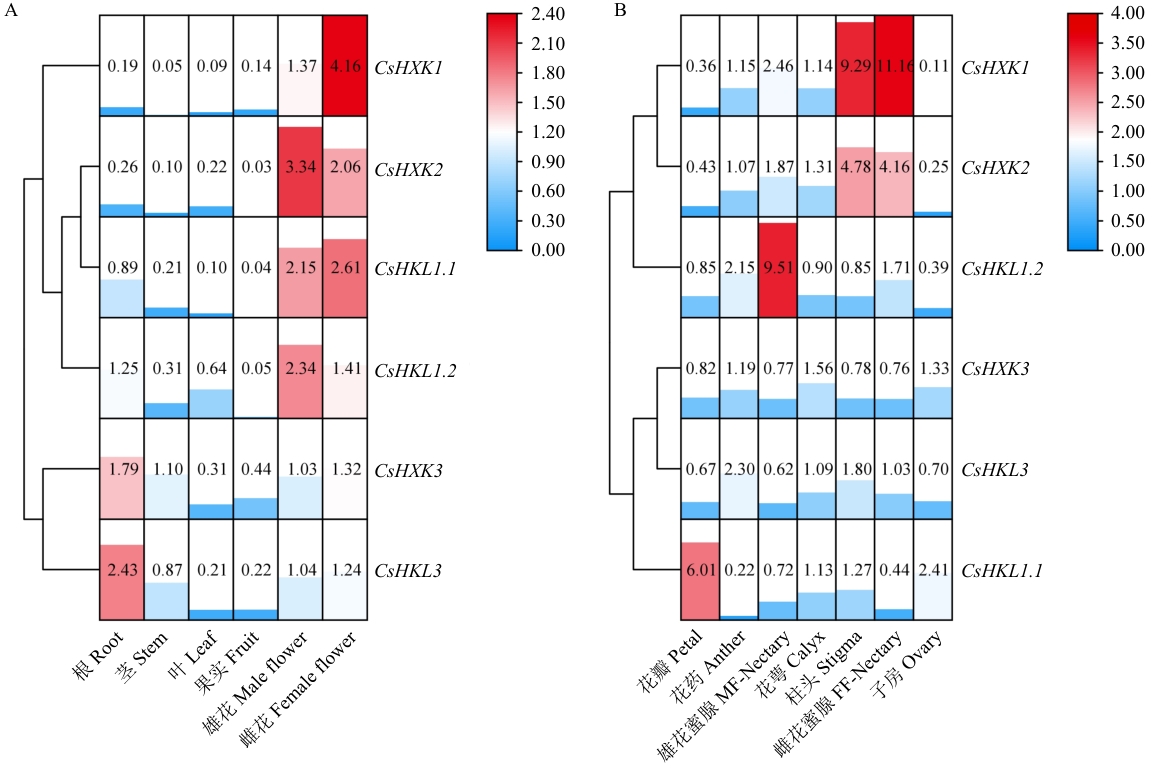
Fig. 4 Expressions of CsHXKs family genes in different tissues and organs of cucumberA: Different tissues of the plant. B: Different parts of floral organs. In the heatmap, the height indicates the percentage or proportion of each target in all tissues
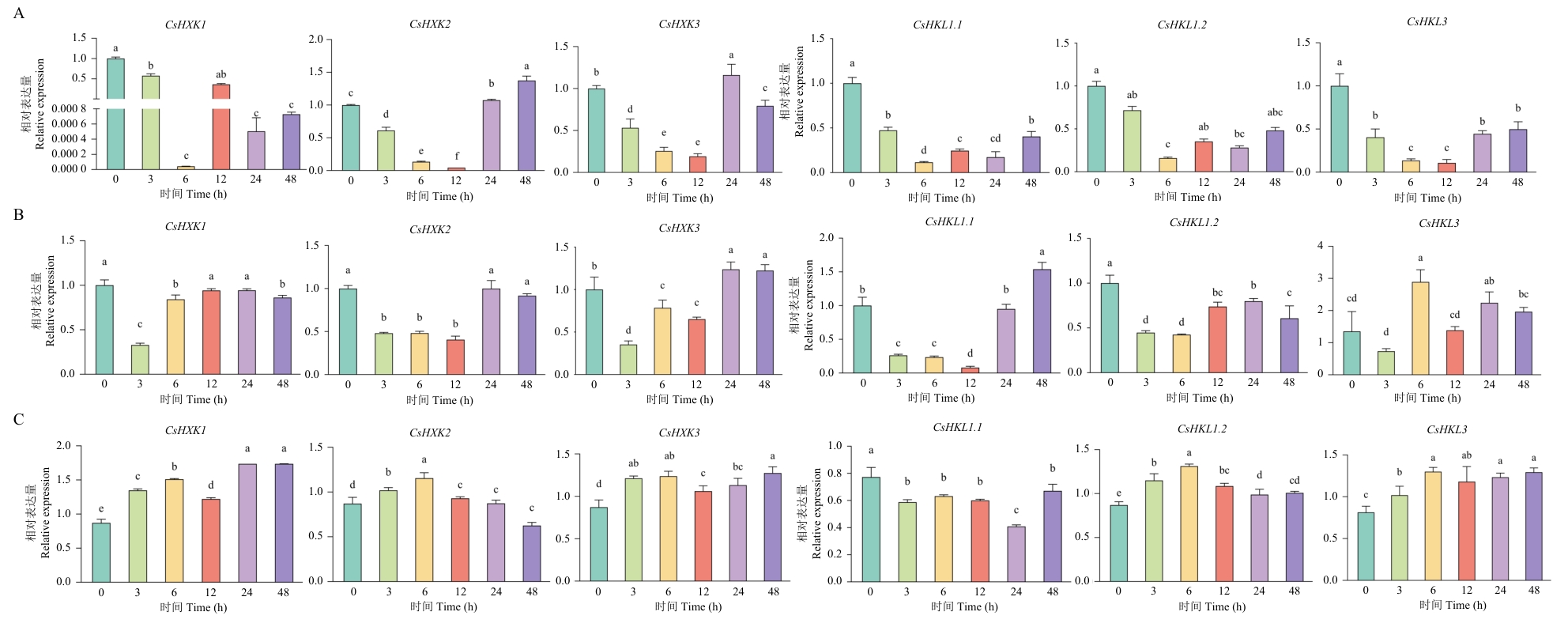
Fig. 5 Expression characterization analysis of the CsHXKs gene family in Cucumis sativus under abiotic stressesA: Drought stress. B: Salt stress. C: Low-temperature stress. Different lowercase letters indicate significant differences (P<0.05), error bars indicate the standard deviation (SD), n=3, the same below
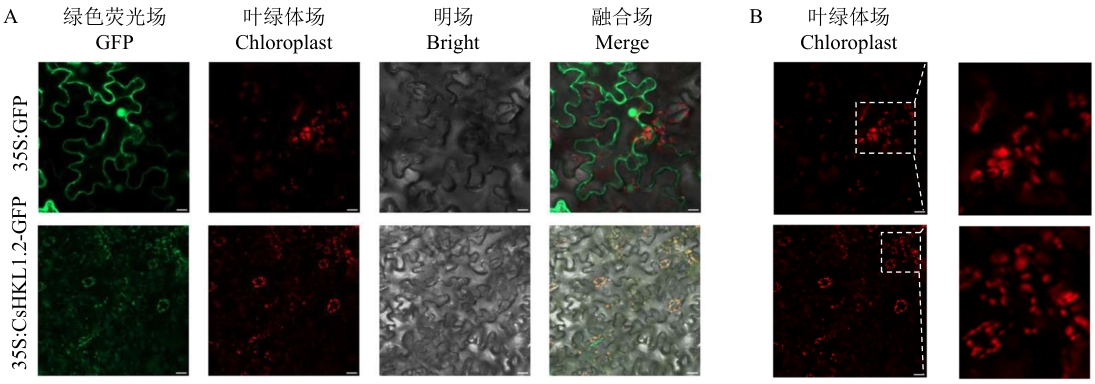
Fig. 6 Subcellular localization of CsHKL1.2A: Subcellular localization. B: Magnified view of chloroplast

Fig. 7 Silencing efficiency of CsHKL1.2 and its effects on the sugar content in different floral tissues after silencingA: Silencing efficiency. B: Glucose. C: Fructose. D: Sucrose; *P<0.05, **P<0.01, ***P<0.001, ****P<0.000 1, ns indicates no significant difference (P>0.05). The same below
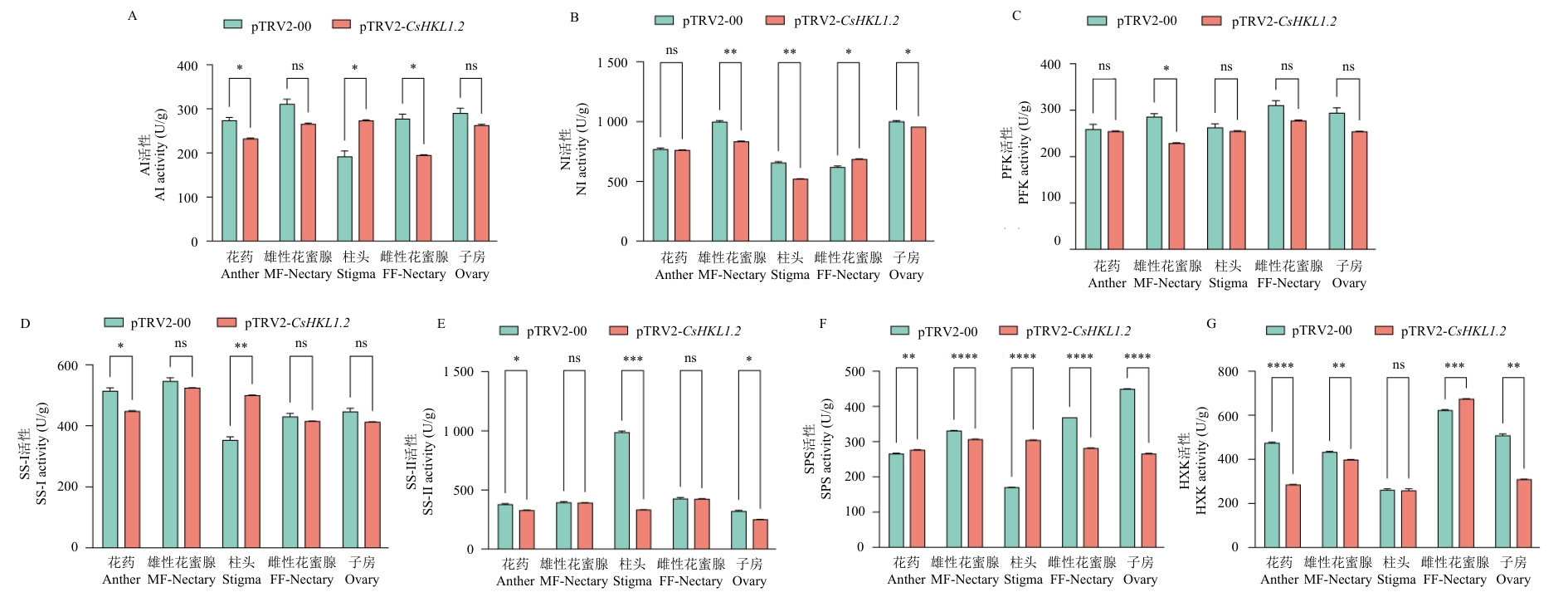
Fig. 8 Effects of CsHKL1.2 silencing on the activities of sugar metabolism-related enzymes in different floral parts of cucumberA: Soluble acid invertase. B: Cytoplasmic neutral invertase. C: Phosphofructokinase. D: Sucrose synthase (cleavage direction). E: Sucrose synthase (synthesis direction). F: Sucrose phosphate synthase. G: Hexokinase
| [1] | Granot D, Kelly G, Stein O, et al. Substantial roles of hexokinase and fructokinase in the effects of sugars on plant physiology and development [J]. J Exp Bot, 2014, 65(3): 809-819. |
| [2] | 黄骥, 王建飞, 张红生. 植物戊糖磷酸途径及其两个关键酶的研究进展 [J]. 植物学通报, 2004, 39(2): 139-145. |
| Huang J, Wang JF, Zhang HS. Advances on plant pentose phosphate pathway and its key enzymes [J]. Chin Bull Bot, 2004, 39(2): 139-145. | |
| [3] | Zhang C, Zhang LL, Fu JX, et al. Isolation and characterization of hexokinase genes PsHXK1 and PsHXK2 from tree peony (Paeonia suffruticosa Andrews) [J]. Mol Biol Rep, 2020, 47(1): 327-336. |
| [4] | Xiao WY, Sheen J, Jang JC. The role of hexokinase in plant sugar signal transduction and growth and development [J]. Plant Mol Biol, 2000, 44(4): 451-461. |
| [5] | Sarowar S, Lee JY, Ahn ER, et al. A role of hexokinases in plant resistance to oxidative stress and pathogen infection [J]. J Plant Biol, 2008, 51(5): 341-346. |
| [6] | Feng J, Zhao S, Chen XM, et al. Biochemical and structural study of Arabidopsis hexokinase 1 [J]. Acta Cryst, 2015, 71(2): 367-375. |
| [7] | Damari-Weissler H, Kandel-Kfir M, Gidoni D, et al. Evidence for intracellular spatial separation of hexokinases and fructokinases in tomato plants [J]. Planta, 2006, 224(6): 1495-1502. |
| [8] | Pérez-Díaz J, Batista-Silva W, Almada R, et al. Prunus Hexokinase 3 genes alter primary C-metabolism and promote drought and salt stress tolerance in Arabidopsis transgenic plants [J]. Sci Rep, 2021, 11: 7098. |
| [9] | Kumar MN, Jane WN, Verslues PE. Role of the putative osmosensor Arabidopsis histidinekinase 1 in dehydration avoidance and low-water-potential response [J]. Plant Physiol, 2013, 161(2): 942-953. |
| [10] | 张圣平, 顾兴芳. 黄瓜重要农艺性状的分子生物学 [J]. 中国农业科学, 2020, 53(1): 117-121. |
| Zhang SP, Gu XF. Molecular biology of important agronomic traits in cucumber [J]. Sci Agric Sin, 2020, 53(1): 117-121. | |
| [11] | 蒋静静, 屈锋, 苏春杰, 等. 不同肥水耦合对黄瓜产量品质及肥料偏生产力的影响 [J]. 中国农业科学, 2019, 52(1): 86-97. |
| Jiang JJ, Qu F, Su CJ, et al. Effects of different water and fertilizer coupling on yield and quality of cucumber and partial factor productivity of fertilizer [J]. Sci Agric Sin, 2019, 52(1): 86-97. | |
| [12] | Karve A, Rauh BL, Xia XX, et al. Expression and evolutionary features of the hexokinase gene family in Arabidopsis [J]. Planta, 2008, 228(3): 411-425. |
| [13] | Li HB, Wang SH, Chai S, et al. Graph-based pan-genome reveals structural and sequence variations related to agronomic traits and domestication in cucumber [J]. Nat Commun, 2022, 13: 682. |
| [14] | 高荣. 黄瓜SHMT基因家族分析及CsSHMT3响应盐胁迫的功能研究 [D]. 兰州: 甘肃农业大学, 2023. |
| Gao R. Identification of the SHMT gene family in Cucumis sativus and functional analysis of CsSHMT3 gene in response to salt stress [D]. Lanzhou: Gansu Agricultural University, 2023. | |
| [15] | 李映志, 刘胜辉, 朱祝英, 等. 高效液相色谱法测定菠萝蜜果实中的葡萄糖、果糖和蔗糖 [J]. 食品科学, 2014, 35(12): 84-87. |
| Li YZ, Liu SH, Zhu ZY, et al. Determination of glucose, fructose and sucrose in jackfruit by HPLC [J]. Food Sci, 2014, 35(12): 84-87. | |
| [16] | 贾东峰, 钱基权, 高欢, 等. 毛花猕猴桃成熟期果实品质和蔗糖代谢特征分析 [J]. 果树学报, 2024, 41(11): 2261-2271. |
| Jia DF, Qian JQ, Gao H, et al. Analysis of the fruit quality and the metabolic characteristics of sucrose in fruit of Actinidia eriantha at ripening stage [J]. J Fruit Sci, 2024, 41(11): 2261-2271. | |
| [17] | Rodríguez-Saavedra C, Morgado-Martínez LE, Burgos-Palacios A, et al. Moonlighting proteins: the case of the hexokinases [J]. Front Mol Biosci, 2021, 8: 701975. |
| [18] | Qi HL, Wang SN, Liu YH, et al. Identification of HXK gene family and expression analysis of salt tolerance in Buchloe dactyloides [J]. Int J Mol Sci, 2025, 26(2): 838. |
| [19] | Guan XY, Zhang Y, Zhou LJ, et al. Disruptions of sugar utilization and carbohydrate metabolism in rice developing anthers aggravated heat stress-induced pollen abortion [J]. Plant Physiol Biochem, 2023, 202: 107991. |
| [20] | Morelli AM, Scholkmann F. Should the standard model of cellular energy metabolism be reconsidered Possible coupling between the pentose phosphate pathway, glycolysis and extra-mitochondrial oxidative phosphorylation [J]. Biochimie, 2024, 221: 99-109. |
| [21] | Aguilera-Alvarado GP, Sánchez-Nieto S. Plant hexokinases are multifaceted proteins [J]. Plant Cell Physiol, 2017, 58(7): 1151-1160. |
| [22] | Wang YJ, Zheng YQ, Wang L, et al. Hexokinase gene CsHXK4 positively regulates cold resistance in tea plants (Camellia sinensis) [J]. Plant Physiol Biochem, 2025, 221: 109603. |
| [23] | Lee SK, Kim H, Cho JI, et al. Deficiency of rice hexokinase HXK5 impairs synthesis and utilization of starch in pollen grains and causes male sterility [J]. J Exp Bot, 2020, 71(1): 116-125. |
| [24] | Vanderwall M, Gendron JM. HEXOKINASE1 and glucose-6-phosphate fuel plant growth and development [J]. Development, 2023, 150(20): dev202346. |
| [25] | Li J, Liu Y, Zhang JL, et al. Suppression of a hexokinase gene SlHXK1 in tomato affects fruit setting and seed quality [J]. Plant Physiol Biochem, 2023, 205: 108160. |
| [26] | Li J, Chen GP, Zhang JL, et al. Suppression of a hexokinase gene, SlHXK1, leads to accelerated leaf senescence and stunted plant growth in tomato [J]. Plant Sci, 2020, 298: 110544. |
| [27] | Wu RQ, Lin XM, He JW, et al. Hexokinase1: a glucose sensor involved in drought stress response and sugar metabolism depending on its kinase activity in strawberry [J]. Front Plant Sci, 2023, 14: 1069830. |
| [28] | Li J, Yao X, Zhang JL, et al. Genome-wide identification and expression analysis of hexokinase gene family under abiotic stress in tomato [J]. Plants, 2025, 14(3): 441. |
| [29] | Jiao F, Chen Y, Zhang DD, et al. Genome-wide characterization of soybean hexokinase genes reveals a positive role of GmHXK15 in alkali stress response [J]. Plants, 2023, 12(17): 3121. |
| [30] | Li MJ, Feng FJ, Cheng LL. Expression patterns of genes involved in sugar metabolism and accumulation during apple fruit development [J]. PLoS One, 2012, 7(3): e33055. |
| [31] | Karve A, Xia XX, Moore BD. Arabidopsis Hexokinase-Like1 and Hexokinase1 form a critical node in mediating plant glucose and ethylene responses[J]. Plant Physiol, 2012, 158(4): 1965-1975. |
| [32] | Aguilera-Alvarado GP, Guevara-García ÁA, Estrada-Antolín SA, et al. Biochemical properties and subcellular localization of six members of the HXK family in maize and its metabolic contribution to embryo germination [J]. BMC Plant Biol, 2019, 19: 27. |
| [33] | Wu HX, Yan HM, Li BW, et al. GWAS and RNA-seq reveal novel loci and genes of low-nitrogen tolerance in cucumber (Cucumis sativus L.) [J]. Front Plant Sci, 2025, 16: 1602360. |
| [34] | Dong MM, Sun L, Wang WJ, et al. B3 superfamily in cucumber (Cucumis sativus L.): identification, evolution, expression patterns, and function in glandular trichome development [J]. Int J Mol Sci, 2025, 26(9): 4031. |
| [35] | Zhao BY, Qi KJ, Yi XR, et al. Identification of hexokinase family members in pear (Pyrus × bretschneideri) and functional exploration of PbHXK1 in modulating sugar content and plant growth [J]. Gene, 2019, 711: 143932. |
| [36] | Wang XQ, Li LM, Yang PP, et al. The role of hexokinases from grape berries (Vitis vinifera L.) in regulating the expression of cell wall invertase and sucrose synthase genes [J]. Plant Cell Rep, 2014, 33(2): 337-347. |
| [37] | Nookaraju A, Upadhyaya CP, Pandey SK, et al. Molecular approaches for enhancing sweetness in fruits and vegetables [J]. Sci Hortic, 2010, 127(1): 1-15. |
| [1] | WANG Xin, CHEN Wei, SUN Bo. Regulatory Mechanism of Plant Floral Meristem Activity [J]. Biotechnology Bulletin, 2026, 42(9): 1-13. |
| [2] | MA Tian-yi, SUN Ming-yu, LIANG Shu-ting, BAO Wei, QIN Xu-yang, ZHANG Mei-juan, SHA Wei, PENG Yi-fang. Overexpression of RcFDH2 from Racomitrium canescens Enhances the Tolerance of Arabidopsis thaliana to Drought and High-temperature [J]. Biotechnology Bulletin, 2026, 42(8): 229-238. |
| [3] | ZHAO Jing-wei, CHANG Na, JIN Xiao-wei, ZHANG Li-quan. Cloning and Function Analysis of MfWRKY22 Gene in Medicago falcata [J]. Biotechnology Bulletin, 2026, 42(7): 236-245. |
| [4] | YAN Xiao-guang, DU Yan-wei, MA Zhi-yuan, WANG Bin, WANG Guo-liang, HU Dan-zhu. Genome-wide Identification and Expression Pattern Analysis of ZmDIR Gene Family in Maize [J]. Biotechnology Bulletin, 2026, 42(7): 126-137. |
| [5] | XIN Qing, ZHENG Yong-jie, LI Yu-hua, TU Bai-lian, LIU Xin-liang, ZHANG Yue-ting, WU Yan-fang. Genome-wide Identification and Expression Analysis of MYC Transcription Factors in Cinnamomum camphora [J]. Biotechnology Bulletin, 2026, 42(7): 214-225. |
| [6] | HUANG Xu-sheng, ZHOU Ya-li, JIA Zheng-rong, SHEN Shan, CHEN Jin-chai, ZHOU Guang-li, LI Xin-xin, WANG Ji-ping, LI Run-zhi, JIA Xiao-yun. Whole-genome Identification of the Perilla frutescens ARF Transcription Factor Family and Functional Analysis of Its Role in Abiotic Stress Responses [J]. Biotechnology Bulletin, 2026, 42(7): 148-162. |
| [7] | ZHANG Ai-cen, YAN Hui, MA Ju-kui, ZHANG Yun-gang, LI Qiang. Genome-wide Identification and Expression Analysis of DNA Methyltransferase and Demethylase Gene Family in Sweetpotato [J]. Biotechnology Bulletin, 2026, 42(6): 1-12. |
| [8] | YANG Jie, WANG Yu-ting, FENG Cheng-tian, HE Qi-guang, ZHANG Ming-liang, YUAN Kun, WANG Zhen-hui, LIU Hui. Cloning, Expression Analysis, and Functional Characterization of the HbTRXh2 Gene from Hevea brasiliensis [J]. Biotechnology Bulletin, 2026, 42(6): 250-257. |
| [9] | LI Xu-long, XU Shi-qiang, ZHANG Long, LI Jing-yu, HE Wei-xian, CHEN Li-kai, WANG Ji-hua. Genome-wide Identification, Evolution and Expression Pattern Analysis of Terpene Synthase Gene Family in Morinda officinalis [J]. Biotechnology Bulletin, 2026, 42(6): 314-325. |
| [10] | WANG Jia-bin, HU Yue, CHEN Jia-jie, WANG Meng, HE Xiu-yun, LI Zhi-yong, LI Jian, WANG Mei-na. Combined Metabolomic and Transcriptomic Analysis in Different Parts of Paphiopedilum purpuratum [J]. Biotechnology Bulletin, 2026, 42(6): 279-293. |
| [11] | GUO Miao, XU Jia-jia, SUN Tian-guo, CAI Can, CAO Wan-di, BAO Ji-xing, SHA Wei, ZHANG Mei-juan, PENG Yi-fang, MA Tian-yi. Overexpression of RcOLEO1 Enhanced the Tolerance of Arabidopsis thaliana toDrought and High-temperature Stress [J]. Biotechnology Bulletin, 2026, 42(5): 312-322. |
| [12] | LI Qiong-yao, BAO Rui, LEI Hai-tao, YANG Yuan-xu, HAN Li-zhen. The Effect of Stress-resistant and Growth-promoting Bacteria Pseudomonas putida on Pepper Seed Germination and Seedling Growth [J]. Biotechnology Bulletin, 2026, 42(5): 257-271. |
| [13] | ZHANG Xin, CHEN Cheng, HUO Yuan-Bo, HUANG Ren-Li, ZHANG Li, ZHANG Kai, TONG Hua-rong, YUAN Lian-Yu. Cloning of the CsCRD1 in Tea Plants and Its Impact on Chlorophyll Biosynthesis [J]. Biotechnology Bulletin, 2026, 42(5): 280-291. |
| [14] | YIN Ya-long, ZHANG Ming-yang, WANG Jie-min, MIAO Xue-xue, CHEN Jin, WANG Wei-ping. Advances in Coordinated Tolerance Mechanisms to Abiotic Stresses in Rice [J]. Biotechnology Bulletin, 2026, 42(4): 26-37. |
| [15] | CHEN Deng-ke, LAN Gang, XIA Zhi, HOU Bao-guo, YANG Liu-liu, CAO Cai-rong, LI Peng-bo, WU Cui-cui. Identification of ZF-HD Gene Family in Arachis hypogaea and Analysis in Response to Abiotic Stress [J]. Biotechnology Bulletin, 2026, 42(4): 114-128. |
| Viewed | ||||||
|
Full text |
|
|||||
|
Abstract |
|
|||||
