







Biotechnology Bulletin ›› 2026, Vol. 42 ›› Issue (2): 51-64.doi: 10.13560/j.cnki.biotech.bull.1985.2025-1001
Previous Articles Next Articles
CHEN Ling-yan( ), LI Wei-xun, PANG Xin-xin, GAO Xiang(), JIAO Xu-yao()
Received:2025-09-22
Online:2026-02-26
Published:2026-03-17
Contact:
GAO Xiang, JIAO Xu-yao
E-mail:202520481@mail.sdu.edu.cn;xgao@email.sdu.edu.cn;jiaoxuyao@sdu.edu.cn
CHEN Ling-yan, LI Wei-xun, PANG Xin-xin, GAO Xiang, JIAO Xu-yao. Bacteroides Genetic Manipulation Toolbox: From Conventional Methods to the Frontiers of Synthetic Biology[J]. Biotechnology Bulletin, 2026, 42(2): 51-64.
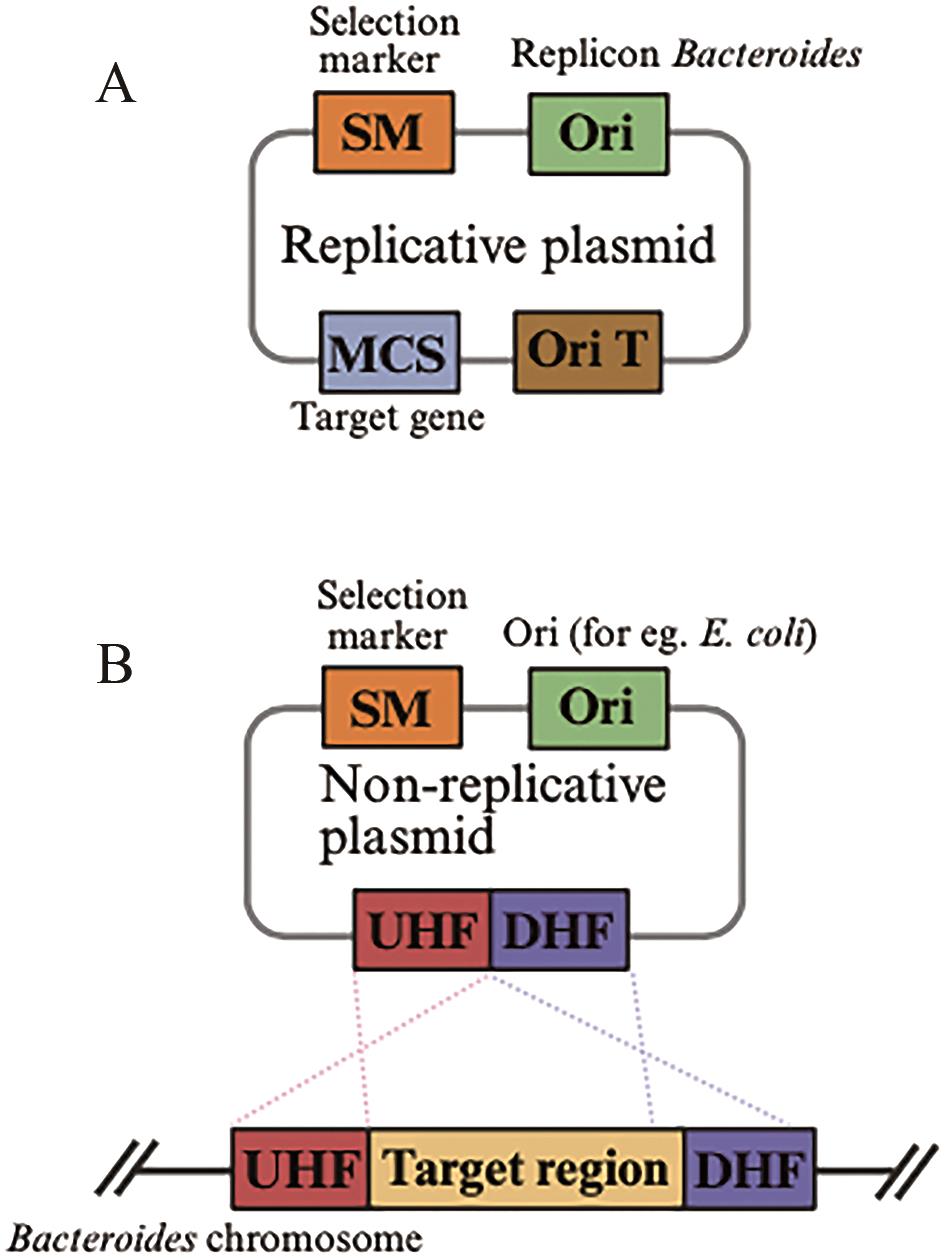
Fig. 1 Schematic diagram of replicative (A) and non-replicative (B) plasmids
类型 Type | 名称/系统 Name/System | 诱导剂 Inducer | 动态范围 Dynamic range | 来源/策略 Source/Strategy | 参考文献 References |
|---|---|---|---|---|---|
| 组成型启动子 | PBT1311 | 内源启动子,基于σ因子 | [ | ||
| P1、PcfiA、PcepA、PcfxA | 内源启动子 | [ | |||
| PAM1-PAM4 | 20倍 | 在PBT1311特定位点插入26 bp序列 | [ | ||
| PBfP1E6及其变体 | 3×10⁴倍 | 源自噬菌体基因组,通过点突变获得 | [ | ||
| 诱导型启动子 | 鼠李糖诱导系统 | 鼠李糖 | 104倍 | 由转录激活因子RhaR介导 | [ |
| 甘露聚糖诱导系统 | 甘露聚糖 | 100倍 | 基于多糖利用位点启动子 | [ | |
| 葡聚糖诱导系统 | 葡聚糖 | 3-5倍 | 基于多糖利用位点启动子 | [ | |
| PBT3324启动子 | 硫酸软骨素 | 60倍 | 由杂合双组分系统BT3334控制 | [ | |
| PBT0268启动子 | 阿拉伯半乳聚糖 | 29倍 | 由杂合双组分系统BT0267控制 | [ | |
| IPTG诱导系统 | IPTG | 8倍和22倍 | 基于大肠杆菌LacI系统改造 | [ | |
| P1TDP启动子 | 脱水四环素 | 将tetO2操纵子插入P1启动子,并与RBS组合优化 | [ | ||
| 胆汁酸诱导系统 | 胆汁酸 | 超过400倍 | 将操纵子插入PcfxA启动子,用PBT1311驱动调节基因 | [ |
Table 1 Promoter toolbox for Bacteroides spp. gene expression and regulation
类型 Type | 名称/系统 Name/System | 诱导剂 Inducer | 动态范围 Dynamic range | 来源/策略 Source/Strategy | 参考文献 References |
|---|---|---|---|---|---|
| 组成型启动子 | PBT1311 | 内源启动子,基于σ因子 | [ | ||
| P1、PcfiA、PcepA、PcfxA | 内源启动子 | [ | |||
| PAM1-PAM4 | 20倍 | 在PBT1311特定位点插入26 bp序列 | [ | ||
| PBfP1E6及其变体 | 3×10⁴倍 | 源自噬菌体基因组,通过点突变获得 | [ | ||
| 诱导型启动子 | 鼠李糖诱导系统 | 鼠李糖 | 104倍 | 由转录激活因子RhaR介导 | [ |
| 甘露聚糖诱导系统 | 甘露聚糖 | 100倍 | 基于多糖利用位点启动子 | [ | |
| 葡聚糖诱导系统 | 葡聚糖 | 3-5倍 | 基于多糖利用位点启动子 | [ | |
| PBT3324启动子 | 硫酸软骨素 | 60倍 | 由杂合双组分系统BT3334控制 | [ | |
| PBT0268启动子 | 阿拉伯半乳聚糖 | 29倍 | 由杂合双组分系统BT0267控制 | [ | |
| IPTG诱导系统 | IPTG | 8倍和22倍 | 基于大肠杆菌LacI系统改造 | [ | |
| P1TDP启动子 | 脱水四环素 | 将tetO2操纵子插入P1启动子,并与RBS组合优化 | [ | ||
| 胆汁酸诱导系统 | 胆汁酸 | 超过400倍 | 将操纵子插入PcfxA启动子,用PBT1311驱动调节基因 | [ |
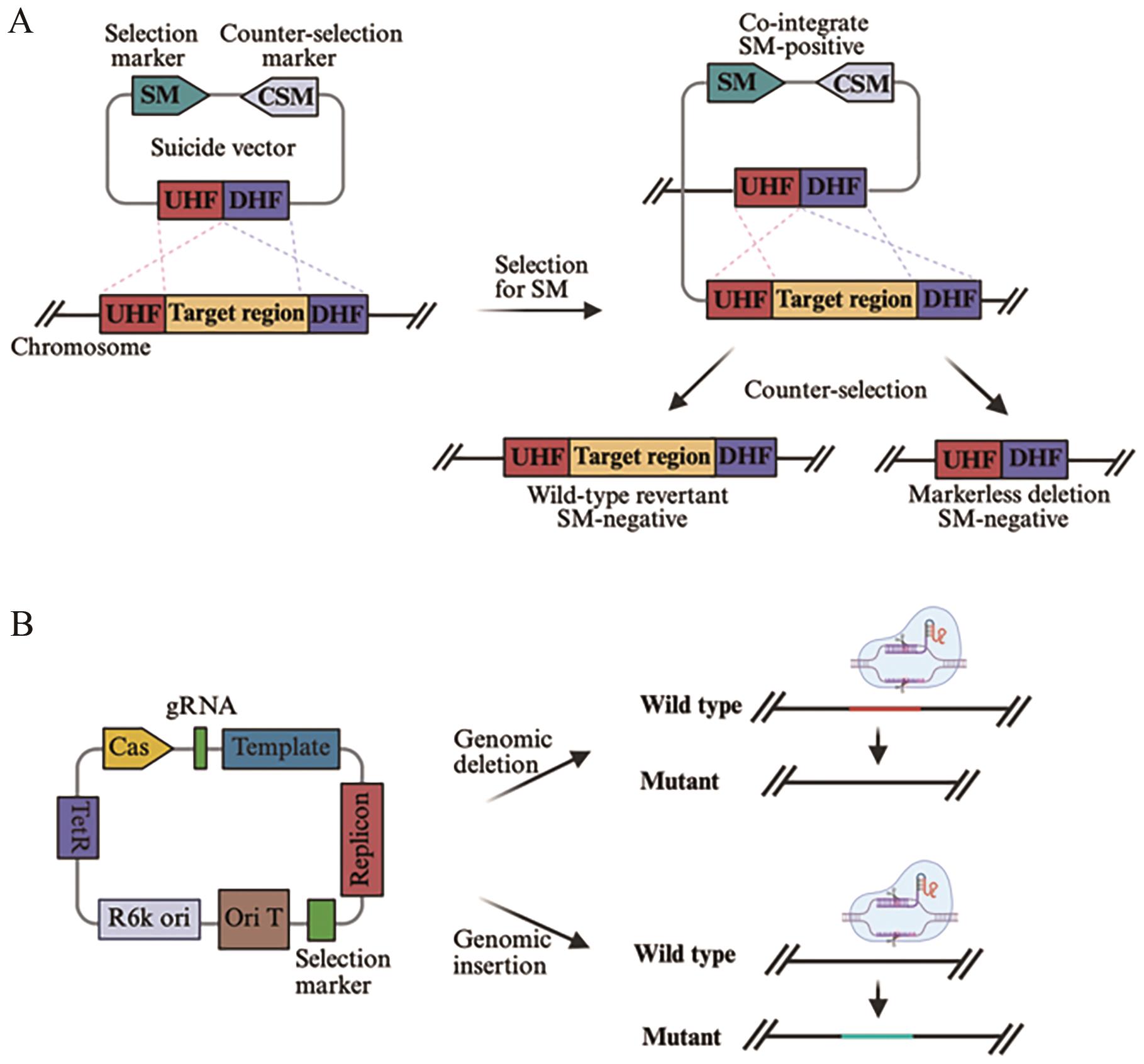
Fig. 2 Schematic diagram of the gene knockout systemA: Allelic exchange. B: CRISPR-Cas gene editing tool

Fig. 3 IntN2 tyrosine integrase-mediated gene integration
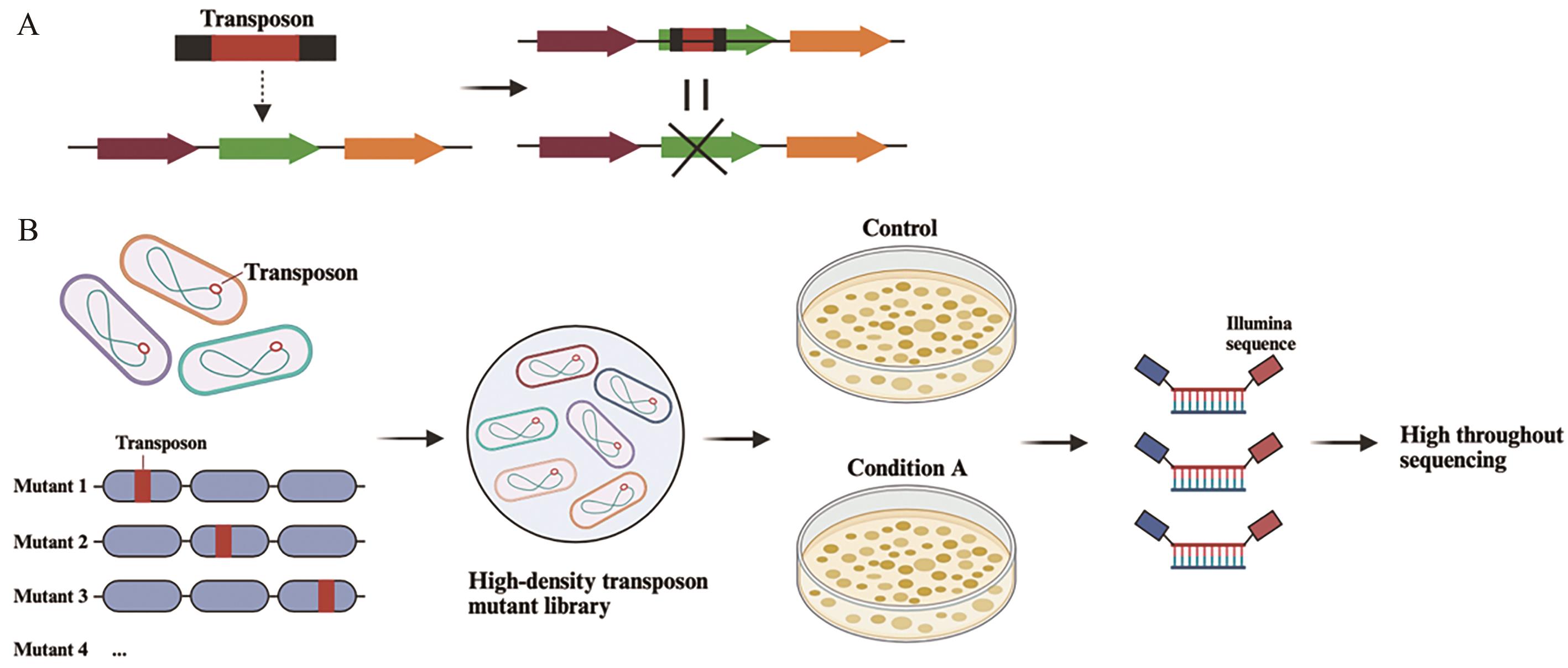
Fig. 4 Schematic diagram of gene disruption by transposon random mutagenesis (A) and INSeq (B)
基因编辑工具 Genome-editing tools | 分子 Molecules | 基因/蛋白质 Genes/Proteins | 效果/机制 Effect/Mechanism | 参考文献 References |
|---|---|---|---|---|
| 同源重组 | 吲哚、吲哚硫酸盐(IS) | BT1492 | 敲除BT1492,阻断了色氨酸向吲哚的转化,降低尿毒症毒素(吲哚硫酸盐)的水平 | [ |
| 同源重组 | 荚膜多糖(CPS) | CPS合成相关基因 | 删除不同CPS合成基因簇,揭示每种CPS赋予拟杆菌在多种生态位中定植与生存的能力 | [ |
| 同源重组 | 硫酸酯酶、外膜囊泡(OMVs) | 厌氧硫酸酯酶成熟酶(anSME) | anSME缺失菌株无法诱导小鼠发生结肠炎,证实OMVs与宿主免疫细胞之间的互作具有硫酸酯酶依赖性 | [ |
| CRISPR-Cas12 | 母乳寡糖(HMOs) | PUL33基因簇 | GH33是介导唾液酸化HMOs利用的关键基因 | [ |
| 同源重组 | TGF-β、KGF-2 | 卵形拟杆菌的木聚糖调控系统 | 利用木聚糖调控系统实现了TGF-β和KGF-2等治疗分子的原位递送 | [ |
| 异源表达 | 丁酸盐 | 丁酸盐生物合成途径相关基因 | 在B. thetaiotaomicron中异源表达丁酸盐合成途径,实现治疗浓度丁酸盐的合成,有助于维持肠道稳态 | [ |
| 启动子替换、异源表达 | 草酸 | 草酸降解途径相关基因 | 表达草酸降解途径,将启动子替换为紫菜聚糖诱导型启动子,实现了工程菌在肠道中的可控定植并降解草酸,显著降低高草酸尿症水平 | [ |
| 同源重组、异源表达 | OmpA、SseB、H5N1、KGF-2 | OmpA、SseB等基因 | 利用OMVs作为载体向黏膜有效递送疫苗抗原和治疗性蛋白,证明其作为黏膜生物制剂和递送平台的实用性和有效性 | [ |
Table 2 Application of genetic manipulation toolbox in Bacteroides research
基因编辑工具 Genome-editing tools | 分子 Molecules | 基因/蛋白质 Genes/Proteins | 效果/机制 Effect/Mechanism | 参考文献 References |
|---|---|---|---|---|
| 同源重组 | 吲哚、吲哚硫酸盐(IS) | BT1492 | 敲除BT1492,阻断了色氨酸向吲哚的转化,降低尿毒症毒素(吲哚硫酸盐)的水平 | [ |
| 同源重组 | 荚膜多糖(CPS) | CPS合成相关基因 | 删除不同CPS合成基因簇,揭示每种CPS赋予拟杆菌在多种生态位中定植与生存的能力 | [ |
| 同源重组 | 硫酸酯酶、外膜囊泡(OMVs) | 厌氧硫酸酯酶成熟酶(anSME) | anSME缺失菌株无法诱导小鼠发生结肠炎,证实OMVs与宿主免疫细胞之间的互作具有硫酸酯酶依赖性 | [ |
| CRISPR-Cas12 | 母乳寡糖(HMOs) | PUL33基因簇 | GH33是介导唾液酸化HMOs利用的关键基因 | [ |
| 同源重组 | TGF-β、KGF-2 | 卵形拟杆菌的木聚糖调控系统 | 利用木聚糖调控系统实现了TGF-β和KGF-2等治疗分子的原位递送 | [ |
| 异源表达 | 丁酸盐 | 丁酸盐生物合成途径相关基因 | 在B. thetaiotaomicron中异源表达丁酸盐合成途径,实现治疗浓度丁酸盐的合成,有助于维持肠道稳态 | [ |
| 启动子替换、异源表达 | 草酸 | 草酸降解途径相关基因 | 表达草酸降解途径,将启动子替换为紫菜聚糖诱导型启动子,实现了工程菌在肠道中的可控定植并降解草酸,显著降低高草酸尿症水平 | [ |
| 同源重组、异源表达 | OmpA、SseB、H5N1、KGF-2 | OmpA、SseB等基因 | 利用OMVs作为载体向黏膜有效递送疫苗抗原和治疗性蛋白,证明其作为黏膜生物制剂和递送平台的实用性和有效性 | [ |
| [1] | Huttenhower C, Gevers D, Knight R, et al. Structure, function and diversity of the healthy human microbiome [J]. Nature, 2012, 486(7402): 207-214. |
| [2] | Wexler AG, Goodman AL. An insider’s perspective: Bacteroides as a window into the microbiome [J]. Nat Microbiol, 2017, 2: 17026. |
| [3] | Rowland I, Gibson G, Heinken A, et al. Gut microbiota functions: metabolism of nutrients and other food components [J]. Eur J Nutr, 2018, 57(1): 1-24. |
| [4] | Sommer F, Bäckhed F. The gut microbiota—Masters of host development and physiology [J]. Nat Rev Microbiol, 2013, 11(4): 227-238. |
| [5] | Visconti A, Le Roy CI, Rosa F, et al. Interplay between the human gut microbiome and host metabolism [J]. Nat Commun, 2019, 10: 4505. |
| [6] | Ryan D. Gene regulation in Bacteroides fragilis: adaptive control in a dynamic host environment [J]. Microbiol Mol Biol Rev, 2025: e00225-25. |
| [7] | Hong SN. Unraveling the ties between irritable bowel syndrome and intestinal microbiota [J]. World J Gastroenterol, 2014, 20(10): 2470. |
| [8] | Tseng CH, Wu CY. The gut microbiome in obesity [J]. J Formos Med Assoc, 2019, 118: S3-S9. |
| [9] | Yang H, Gan Y, Jiang SH, et al. Genomic alterations in Bacteroides fragilis favor adaptation in colorectal cancer microenvironment [J]. BMC Genom, 2025, 26(1): 269. |
| [10] | Jiang K, Pang XX, Li WX, et al. Interbacterial warfare in the human gut: insights from Bacteroidales’ perspective [J]. Gut Microbes, 2025, 17(1): 2473522. |
| [11] | Koropatkin NM, Martens EC, Gordon JI, et al. Starch catabolism by a prominent human gut symbiont is directed by the recognition of amylose helices [J]. Structure, 2008, 16(7): 1105-1115. |
| [12] | Jia W, Xie GX, Jia WP. Bile acid-microbiota crosstalk in gastrointestinal inflammation and carcinogenesis [J]. Nat Rev Gastroenterol Hepatol, 2018, 15(2): 111-128. |
| [13] | Koh A, Bäckhed F. From association to causality: the role of the gut microbiota and its functional products on host metabolism [J]. Mol Cell, 2020, 78(4): 584-596. |
| [14] | Qu ZP, Liu HB, Yang J, et al. Selective utilization of medicinal polysaccharides by human gut Bacteroides and Parabacteroides species [J]. Nat Commun, 2025, 16: 638. |
| [15] | Frye KA, Piamthai V, Hsiao A, et al. Mobilization of vitamin B12 transporters alters competitive dynamics in a human gut microbe [J]. Cell Rep, 2021, 37(13): 110164. |
| [16] | Shoemaker NB, Vlamakis H, Hayes K, et al. Evidence for extensive resistance gene transfer among Bacteroides spp. and among Bacteroides and other Genera in the human colon [J]. Appl Environ Microbiol, 2001, 67(2): 561-568. |
| [17] | Forster SC, Liu JY, Kumar N, et al. Strain-level characterization of broad host range mobile genetic elements transferring antibiotic resistance from the human microbiome [J]. Nat Commun, 2022, 13: 1445. |
| [18] | García-Bayona L, Coyne MJ, Comstock LE. Mobile Type VI secretion system loci of the gut Bacteroidales display extensive intra-ecosystem transfer, multi-species spread and geographical clustering [J]. PLoS Genet, 2021, 17(4): e1009541. |
| [19] | Salyers AA, Shoemaker N, Cooper A, et al. 8 genetic methods for Bacteroides Species [M]//Genetic Methods for Diverse Prokaryotes. Amsterdam: Elsevier, 1999: 229-249. |
| [20] | Bayley DP, Rocha ER, Smith CJ. Analysis of cepA and other Bacteroides fragilis genes reveals a unique promoter structure [J]. FEMS Microbiol Lett, 2000, 193(1): 149-154. |
| [21] | Vingadassalom D, Kolb A, Mayer C, et al. An unusual primary sigma factor in the Bacteroidetes Phylum [J]. Mol Microbiol, 2005, 56(4): 888-902. |
| [22] | Ichimura M, Nakayama-Imaohji H, Wakimoto S, et al. Efficient electrotransformation of Bacteroides fragilis [J]. Appl Environ Microbiol, 2010, 76(10): 3325-3332. |
| [23] | Tan Y, Liang J, Lai MC, et al. Advances in synthetic biology toolboxes paving the way for mechanistic understanding and strain engineering of gut commensal Bacteroides spp. and Clostridium spp [J]. Biotechnol Adv, 2023, 69: 108272. |
| [24] | Jahn M, Vorpahl C, Hübschmann T, et al. Copy number variability of expression plasmids determined by cell sorting and Droplet Digital PCR [J]. Microb Cell Fact, 2016, 15(1): 211. |
| [25] | Barkocy-Gallagher GA, Foley JW, Lantz MS. Activities of the Porphyromonas gingivalis PrtP proteinase determined by construction of prtP-Deficient mutants and expression of the gene in Bacteroides Species [J]. J Bacteriol, 1999, 181(1): 246-255. |
| [26] | Zheng LG, Tan Y, Hu YC, et al. CRISPR/cas-based genome editing for human gut commensal Bacteroides species [J]. ACS Synth Biol, 2022, 11(1): 464-472. |
| [27] | Coyne MJ, Weinacht KG, Krinos CM, et al. Mpi recombinase globally modulates the surface architecture of a human commensal bacterium [J]. Proc Natl Acad Sci U S A, 2003, 100(18): 10446-10451. |
| [28] | Rajeev L, Salyers AA, Gardner JF. Characterization of the integrase of NBU1, a Bacteroides mobilizable transposon [J]. Mol Microbiol, 2006, 61(4): 978-990. |
| [29] | Lai Y, Hayashi N, Lu TK. Engineering the human gut commensal Bacteroides thetaiotaomicron with synthetic biology [J]. Curr Opin Chem Biol, 2022, 70: 102178. |
| [30] | Wegmann U, Horn N, Carding SR. Defining the Bacteroides ribosomal binding site [J]. Appl Environ Microbiol, 2013, 79(6): 1980-1989. |
| [31] | Goto T, Tanaka K, Minh Tran C, et al. Complete sequence of pBFUK1, a carbapenemase-harboring mobilizable plasmid from Bacteroides fragilis, and distribution of pBFUK1-like plasmids among carbapenem-resistant B. fragilis clinical isolates [J]. J Antibiot, 2013, 66(4): 239-242. |
| [32] | Parker AC, Smith CJ. Genetic and biochemical analysis of a novel Ambler class A beta-lactamase responsible for cefoxitin resistance in Bacteroides species [J]. Antimicrob Agents Chemother, 1993, 37(5): 1028-1036. |
| [33] | Mimee M, Tucker AC, Voigt CA, et al. Programming a human commensal bacterium, Bacteroides thetaiotaomicron, to sense and respond to stimuli in the murine gut microbiota [J]. Cell Syst, 2015, 1(1): 62-71. |
| [34] | Whitaker WR, Shepherd ES, Sonnenburg JL. Tunable expression tools enable single-cell strain distinction in the gut microbiome [J]. Cell, 2017, 169(3): 538-546.e12. |
| [35] | Horn N, Carvalho AL, Overweg K, et al. A novel tightly regulated gene expression system for the human intestinal symbiont Bacteroides thetaiotaomicron [J]. Front Microbiol, 2016, 7: 1080. |
| [36] | Jones DR, Smith MB, McLean R, et al. Engineering dual-glycan responsive expression systems for tunable production of heterologous proteins in Bacteroides thetaiotaomicron [J]. Sci Rep, 2019, 9: 17400. |
| [37] | Martens EC, Lowe EC, Chiang H, et al. Recognition and degradation of plant cell wall polysaccharides by two human gut symbionts [J]. PLoS Biol, 2011, 9(12): e1001221. |
| [38] | Martens EC, Chiang HC, Gordon JI. Mucosal glycan foraging enhances fitness and transmission of a saccharolytic human gut bacterial symbiont [J]. Cell Host Microbe, 2008, 4(5): 447-457. |
| [39] | Lim B, Zimmermann M, Barry NA, et al. Engineered regulatory systems modulate gene expression of human commensals in the gut [J]. Cell, 2017, 169(3): 547-558.e15. |
| [40] | Taketani M, Zhang JB, Zhang SY, et al. Genetic circuit design automation for the gut resident species Bacteroides thetaiotaomicron [J]. Nat Biotechnol, 2020, 38(8): 962-969. |
| [41] | Michael J Coyne MC. Role of glycan synthesis in colonization of the mammalian gut by the bacterial symbiont Bacteroides fragilis [J]. Proc Natl Acad Sci U S A, 2008, 105(35): 13099-13104. |
| [42] | Reyrat JM, Pelicic V, Gicquel B, et al. Counterselectable markers: untapped tools for bacterial genetics and pathogenesis [J]. Infect Immun, 1998, 66(9): 4011-4017. |
| [43] | Marx CJ, Lidstrom ME. Broad-host-range cre-lox system for antibiotic marker recycling in gram-negative bacteria [J]. BioTechniques, 2002, 33(5): 1062-1067. |
| [44] | Recorbet G, Robert C, Givaudan A, et al. Conditional suicide system of Escherichia coli released into soil that uses the Bacillus subtilis sacB gene [J]. Appl Environ Microbiol, 1993, 59(5): 1361-1366. |
| [45] | Sonnenburg ED, Zheng HJ, Joglekar P, et al. Specificity of polysaccharide use in intestinal Bacteroides species determines diet-induced microbiota alterations [J]. Cell, 2010, 141(7): 1241-1252. |
| [46] | Wegmann U, Carvalho AL, Stocks M, et al. Use of genetically modified bacteria for drug delivery in humans: Revisiting the safety aspect [J]. Sci Rep, 2017, 7: 2294. |
| [47] | Anthony D Baughn MHM. A mitochondrial-like aconitase in the bacterium Bacteroides fragilis: implications for the evolution of the mitochondrial Krebs cycle [J]. Proc Natl Acad Sci U S A, 2002, 99(7): 4662-4667. |
| [48] | Kino Y, Nakayama-Imaohji H, Fujita M, et al. Counterselection employing mutated pheS for markerless genetic deletion in Bacteroides species [J]. Anaerobe, 2016, 42: 81-88. |
| [49] | García-Bayona L, Comstock LE. Streamlined genetic manipulation of Diverse Bacteroides and Parabacteroides Isolates from the human gut microbiota [J]. mBio, 2019, 10(4): e01762-19. |
| [50] | Bencivenga-Barry NA, Lim B, Herrera CM, et al. Genetic manipulation of wild human Gut Bacteroides [J]. J Bacteriol, 2020, 202(3): 00544-00563. |
| [51] | Jiang K, Li WX, Tong M, et al. Bacteroides fragilis ubiquitin homologue drives intraspecies bacterial competition in the gut microbiome [J]. Nat Microbiol, 2024, 9(1): 70-84. |
| [52] | Haft DH, Selengut J, Mongodin EF, et al. A guild of 45 CRISPR-associated (cas) protein families and multiple CRISPR/cas subtypes exist in prokaryotic genomes [J]. PLoS Comput Biol, 2005, 1(6): e60. |
| [53] | Burstein D, Sun CL, Brown CT, et al. Major bacterial lineages are essentially devoid of CRISPR-Cas viral defence systems [J]. Nat Commun, 2016, 7(1): 1-8. |
| [54] | Jore MM, Lundgren M, van Duijn E, et al. Structural basis for CRISPR RNA-guided DNA recognition by cascade [J]. Nat Struct Mol Biol, 2011, 18(5): 529-536. |
| [55] | Tajkarimi M, Wexler HM. CRISPR-cas systems in Bacteroides fragilis, an important pathobiont in the human gut microbiome [J]. Front Microbiol, 2017, 8: 2234. |
| [56] | Lam TJ, Mortensen K, Ye YZ. Diversity and dynamics of the CRISPR-Cas systems associated with Bacteroides fragilis in human population [J]. BMC Genom, 2022, 23(1): 573. |
| [57] | Feng J, Qian YL, Zhou ZC, et al. Polysaccharide utilization loci in Bacteroides determine population fitness and community-level interactions [J]. Cell Host Microbe, 2022, 30(2): 200-215.e12. |
| [58] | Liang J, Tan Y. Highly efficient CRISPR-mediated base editing for the gut Bacteroides spp. with pnCasBS-CBE [J]. Biotechnol J, 2023, 18(7): 2200504. |
| [59] | Molla KA, Yang YN. CRISPR/cas-mediated base editing: technical considerations and practical applications [J]. Trends Biotechnol, 2019, 37(10): 1121-1142. |
| [60] | Qi LS, Larson MH, Gilbert LA, et al. Repurposing CRISPR as an RNA-guided platform for sequence-specific control of gene expression [J]. Cell, 2013, 152(5): 1173-1183. |
| [61] | Mali P, Esvelt KM, Church GM. Cas9 as a versatile tool for engineering biology [J]. Nat Meth, 2013, 10(10): 957-963. |
| [62] | 田开仁, 薛二淑, 宋倩倩, 等. CRISPR-dCas9调控基因转录的研究进展 [J]. 中国生物工程杂志, 2018, 38(7): 94-101. |
| Tian KR, Xue ES, Song QQ, et al. The research progress of CRISPR-dCas9 in transcriptional regulation [J]. China Biotechnol, 2018, 38(7): 94-101. | |
| [63] | Beller ZW, Wesener DA, Seebeck TR, et al. Inducible CRISPR-targeted "knockdown" of human gut Bacteroides in gnotobiotic mice discloses glycan utilization strategies [J]. Proc Natl Acad Sci U S A, 2023, 120(39): e2311422120. |
| [64] | Shoemaker NB, Wang GR, Stevens AM, et al. Excision, transfer, and integration of NBU1, a mobilizable site-selective insertion element [J]. J Bacteriol, 1993, 175(20): 6578-6587. |
| [65] | Wang J, Shoemaker NB, Wang G-R, et al. Characterization of a Bacteroides Mobilizable transposon, NBU2 which carries a functional lincomycin resistance gene [J]. J Bacteriol, 2000, 182(12): 3559-3571. |
| [66] | Li LY, Shoemaker NB, Wang GR, et al. The mobilization regions of two integrated Bacteroides elements, NBU1 and NBU2, have only a single mobilization protein and may be on a cassette [J]. J Bacteriol, 1995, 177(14): 3940-3945. |
| [67] | Li LY, Shoemaker NB, Salyers AA. Characterization of the mobilization region of a Bacteroides insertion element (NBU1) that is excised and transferred by Bacteroides conjugative transposons [J]. J Bacteriol, 1993, 175(20): 6588-6598. |
| [68] | Shepherd ES, DeLoache WC, Pruss KM, et al. An exclusive metabolic niche enables strain engraftment in the gut microbiota [J]. Nature, 2018, 557(7705): 434-438. |
| [69] | Wexler AG, Bao YQ, Whitney JC, et al. Human symbionts inject and neutralize antibacterial toxins to persist in the gut [J]. Proc Natl Acad Sci U S A, 2016, 113(13): 3639-3644. |
| [70] | Huang YY, Price MN, Hung A, et al. Barcoded overexpression screens in gut Bacteroidales identify genes with roles in carbon utilization and stress resistance [J]. Nat Commun, 2024, 15: 6618. |
| [71] | Datta MS, Kishony R. A spotlight on bacterial mutations for 75 years [J]. Nature, 2018, 563(7733): 633-644. |
| [72] | Shumaker AM, Laclare McEneany V, Coyne MJ, et al. Identification of a fifth antibacterial toxin produced by a single Bacteroides fragilis strain [J]. J Bacteriol, 2019, 201(8): 00577-00595. |
| [73] | Goodman AL, McNulty NP, Zhao Y, et al. Identifying genetic determinants needed to establish a human gut symbiont in its habitat [J]. Cell Host Microbe, 2009, 6(3): 279-289. |
| [74] | Tong M, Xu JH, Li WX, et al. A highly conserved SusCD transporter determines the import and species-specific antagonism of Bacteroides ubiquitin homologues [J]. Nat Commun, 2024, 15: 8794. |
| [75] | Shoemaker NB, Getty C, Gardner JF, et al. Tn4351 transposes in Bacteroides spp. and mediates the integration of plasmid R751 into the Bacteroides chromosome [J]. J Bacteriol, 1986, 165(3): 929-936. |
| [76] | Veeranagouda Y, Husain F, Wexler HM. Transposon mutagenesis of the anaerobic commensal, Bacteroides fragilis, using the EZ: : TN5 transposome [J]. FEMS Microbiol Lett, 2012, 333(2): 94-100. |
| [77] | Robillard NJ, Tally FP, Malamy MH. Tn4400, a compound transposon isolated from Bacteroides fragilis, functions in Escherichia coli [J]. J Bacteriol, 1985, 164(3): 1248-1255. |
| [78] | Ichimura M, Uchida K, Nakayama-Imaohji H, et al. Mariner-based transposon mutagenesis for Bacteroides species [J]. J Basic Microbiol, 2014, 54(6): 558-567. |
| [79] | Liu HL, Shiver AL, Price MN, et al. Functional genetics of human gut commensal Bacteroides thetaiotaomicron reveals metabolic requirements for growth across environments [J]. Cell Rep, 2021, 34(9): 108789. |
| [80] | Wu M, McNulty NP, Rodionov DA, et al. Genetic determinants of in vivo fitness and diet responsiveness in multiple human gut Bacteroides [J]. Science, 350(6256): aac5992. |
| [81] | Veeranagouda Y, Husain F, Wexler HM. Transposon mutagenesis of Bacteroides fragilis [M]//Microbial Transposon Mutagenesis. New York, NY: Springer New York, 2019: 105-116. |
| [82] | Basta DW, Campbell IW, Sullivan EJ, et al. Inducible transposon mutagenesis identifies bacterial fitness determinants during infection in mice [J]. Nat Microbiol, 2025, 10(5): 1171-1183. |
| [83] | Arjes HA, Sun JW, Liu HL, et al. Construction and characterization of a genome-scale ordered mutant collection of Bacteroides thetaiotaomicron [J]. BMC Biol, 2022, 20(1): 285. |
| [84] | Veeranagouda Y, Wexler HM. The application of transposon insertion sequencing in identifying essential genes in B. fragilis [M]//Essential Genes and Genomes. New York, NY: Springer US, 2021: 303-315. |
| [85] | Nord O, Gustrin A, Nygren PÃ. Fluorescent detection of β- lactamase activity in living Escherichia coli cells via esterase supplementation [J]. FEMS Microbiol Lett, 2005, 242(1): 73-79. |
| [86] | Devlin AS, Marcobal A, Dodd D, et al. Modulation of a circulating uremic solute via rational genetic manipulation of the gut microbiota [J]. Cell Host Microbe, 2016, 20(6): 709-715. |
| [87] | Porter NT, Canales P, Peterson DA, et al. A subset of polysaccharide capsules in the human symbiont Bacteroides thetaiotaomicron promote increased competitive fitness in the mouse gut [J]. Cell Host Microbe, 2017, 22(4): 494-506.e8. |
| [88] | Hickey CA, Kuhn KA, Donermeyer DL, et al. Colitogenic Bacteroides thetaiotaomicron antigens access host immune cells in a sulfatase-dependent manner via outer membrane vesicles [J]. Cell Host Microbe, 2015, 17(5): 672-680. |
| [89] | Kijner S, Ennis D, Shmorak S, et al. CRISPR-Cas-based identification of a sialylated human milk oligosaccharides utilization cluster in the infant gut commensal Bacteroides dorei [J]. Nat Commun, 2024, 15: 105. |
| [90] | Hamady ZZR, Scott N, Farrar MD, et al. Xylan-regulated delivery of human keratinocyte growth factor-2 to the inflamed colon by the human anaerobic commensal bacterium Bacteroides ovatus [J]. Gut, 2010, 59(4): 461-469. |
| [91] | Hamady ZZR, Scott N, Farrar MD, et al. Treatment of colitis with a commensal gut bacterium engineered to secrete human tgf-β1 under the control of dietary xylan [J]. Inflamm Bowel Dis, 2011, 17(9): 1925-1935. |
| [92] | Kim K, Choe D, Song Y, et al. Engineering Bacteroides thetaiotaomicron to produce non-native butyrate based on a genome-scale metabolic model-guided design [J]. Metab Eng, 2021, 68: 174-186. |
| [93] | Whitaker WR, Russ ZN, Stanley Shepherd E, et al. Controlled colonization of the human gut with a genetically engineered microbial therapeutic [J]. Science, 2025, 389(6757): 303-308. |
| [94] | Carvalho AL, Fonseca S, Miquel-Clopés A, et al. Bioengineering commensal bacteria-derived outer membrane vesicles for delivery of biologics to the gastrointestinal and respiratory tract [J]. J Extracell Vesicles, 2019, 8(1): 1632100. |
| [95] | Ripka J, Florentine, Lu K T, Mimee MK. Engineered bacteroides outer membrane vesicles [Z]. |
| [96] | Yang Y, Yang L, Yang YL, et al. Bacteroides Fragilis-derived outer membrane vesicles deliver miR-5119 and alleviate colitis by targeting PD-L1 to inhibit GSDMD-mediated neutrophil extracellular trap formation [J]. Adv Sci, 2025, 12(35): e00781. |
| [97] | Zhan Y, Zheng L, Shen J, et al. Development of a miniaturized CRISPR/Cas gene editing tool for human gut Bacteroides [J]. Sheng Wu Gong Cheng Xue Bao, 2025, 41(6): 2360-2372. |
| [98] | Ma W, Xu YS, Sun XM, et al. Transposon-associated CRISPR-cas system: a powerful DNA insertion tool [J]. Trends Microbiol, 2021, 29(7): 565-568. |
| [99] | Zheng WT, Wang YX, Cui J, et al. ReaL-MGE is a tool for enhanced multiplex genome engineering and application to malonyl-CoA anabolism [J]. Nat Commun, 2024, 15: 9790. |
| [100] | Rubin BE, Diamond S, Cress BF, et al. Species- and site-specific genome editing in complex bacterial communities [J]. Nat Microbiol, 2022, 7(1): 34-47. |
| [101] | Hsu BB, Plant IN, Lyon L, et al. In situ reprogramming of gut bacteria by oral delivery [J]. Nat Commun, 2020, 11: 5030. |
| [1] | DIAO Chen-yang, CUI You-zhi, LI Bing-zhi. Research Advances in Targeted Mutagenesis-mediated Microbial Evolutionary Engineering [J]. Biotechnology Bulletin, 2025, 41(8): 11-21. |
| [2] | DENG Mei-bi, YAN Lang, ZHAN Zhi-tian, ZHU Min, HE Yu-bing. Efficient CRISPR Gene Editing in Rice Assisted by RUBY [J]. Biotechnology Bulletin, 2025, 41(8): 65-73. |
| [3] | ZHOU Qian, TANG Meng-jun, ZHANG Xiao-yan, LU Jun-xian, TANG Xiu-jun, YANG Xing-xing, GAO Yu-shi. Research Progress in the Control of Multidrug Resistant Bacteria Based on in CRISPR-Cas System [J]. Biotechnology Bulletin, 2025, 41(5): 42-51. |
| [4] | CHEN Xiao-jun, HUI Jian, MA Hong-wen, BAI Hai-Bo, ZHONG Nan, LI Jia-run, FAN Yun-fang. Creating Rice Gerplasm Resources OsALS Rsistant to Herbicide through Single Base Gene Editing Technology [J]. Biotechnology Bulletin, 2025, 41(4): 106-114. |
| [5] | WEN Bo-lin, WAN Min, HU Jian-jun, WANG Ke-xiu, JING Sheng-lin, WANG Xin-yue, ZHU Bo, TANG Ming-xia, LI Bing, HE Wei, ZENG Zi-xian. Establishment of Genetic Transformation and Gene Editing System for a Potato Cultivar Chuanyu 50 [J]. Biotechnology Bulletin, 2025, 41(4): 88-97. |
| [6] | LIANG Li-cun, WANG Ke-fen, SONG Zu-huan, LIU Meng-ting, LI Jia-yu, LUO Hui-ying, YAO Bin, YANG Hao-meng. Improving the Efficiency of Gene Editing by Optimizing sgRNA in Aspergillus tubingensis [J]. Biotechnology Bulletin, 2025, 41(3): 62-70. |
| [7] | XUE Rui-ying, LIU Yong-ju, JIANG Yan-yan, PENG Xin-ya, CAO Dong, LI Yun, LIU Bao-long, BAO Xue-mei. Reducing the Expression of GBSSI Gene in Barley via the Editing in the 5′UTR Region [J]. Biotechnology Bulletin, 2025, 41(3): 83-89. |
| [8] | LIU Zi-qi, ZHONG Pei, LI Qin, GUO Cheng, ZHANG Yan-mei, ZHANG Nai-feng, TU Yan, DIAO Qi-yu, BI Yan-liang. Application and Progress of CRISPR/Cas9 Technology in Probiotic Editing [J]. Biotechnology Bulletin, 2025, 41(11): 89-99. |
| [9] | MENG Ya-qi, WANG Song, YANG Peng, YU Hang, YAO Xu-dong, GUO Yan-hua, TANG Hong, ZHANG Yi-yuan, WANG Li-min, ZHOU Ping. Precise Editing of the FGF18 Gene in Sheep Fibroblasts Using the AncBE4max System [J]. Biotechnology Bulletin, 2025, 41(10): 313-320. |
| [10] | SUN Jing, YANG Yun-long, LIU Rong-zhi, YU Hong, LU Tie-gang. Strengthening Fundamental Research on Photosynthesis to Support Crop Breeding for High Yield [J]. Biotechnology Bulletin, 2025, 41(10): 1-5. |
| [11] | TONG Wei-jing, LUO Shu, LU Xin-lu, SHEN Jian-fu, LU Bai-yi, LI Kai-mian, MA Qiu-xiang, ZHANG Peng. CRISPR/Cas9 Editing MeHNL Gene to Generate Cassava Plants with Low Cyanogenic Glycoside [J]. Biotechnology Bulletin, 2024, 40(9): 11-19. |
| [12] | HOU Wen-ting, SUN Lin, ZHANG Yan-jun, DONG He-zhong. Application of Gene-editing Technology for Germplasm Innovation and Genetic Improvement in Cotton [J]. Biotechnology Bulletin, 2024, 40(7): 68-77. |
| [13] | LONG Jing, CHEN Jing-min, LIU Xiao, ZHANG Yi-fan, ZHOU Li-bin, DU Yan. Repair Mechanisms of DNA Double-strand Breaks and Their Roles in Heavy Ion Mutagenesis and Gene Editing in Plants [J]. Biotechnology Bulletin, 2024, 40(7): 55-67. |
| [14] | ZHOU Jia-wei, WU Zhi-qiang. Construction Method of mitoTALENs Mitochondrial Gene Editing Vector in Plants [J]. Biotechnology Bulletin, 2024, 40(10): 172-180. |
| [15] | LI Ming-kun, BI Mei-ying, ZHANG Tian-hang, WU Xiang-yu, YANG Pei-ru, YING Ming. Restoration of Agricultural Function of Rhizobacteria by UgRNA/Cas9 Multi-gene Editing [J]. Biotechnology Bulletin, 2024, 40(10): 275-287. |
| Viewed | ||||||
|
Full text |
|
|||||
|
Abstract |
|
|||||
