







Biotechnology Bulletin ›› 2026, Vol. 42 ›› Issue (7): 22-33.doi: 10.13560/j.cnki.biotech.bull.1985.2025-0907
Previous Articles Next Articles
TANG Xin-rui1, XU Zhuo-hang-xu1, GUO Lin-na2, GUAN Er-qi1, JIANG Di1( )
)
Received:2025-08-23
Online:2026-07-26
Published:2026-07-20
Contact:
JIANG Di
E-mail:jiangdi@haut.edu.cn
TANG Xin-rui, XU Zhuo-hang-xu, GUO Lin-na, GUAN Er-qi, JIANG Di. Research Progress in Microbial Community Succession and Its Regulation of Fermentation Quality in Ensiled Total Mixed Rations[J]. Biotechnology Bulletin, 2026, 42(7): 22-33.
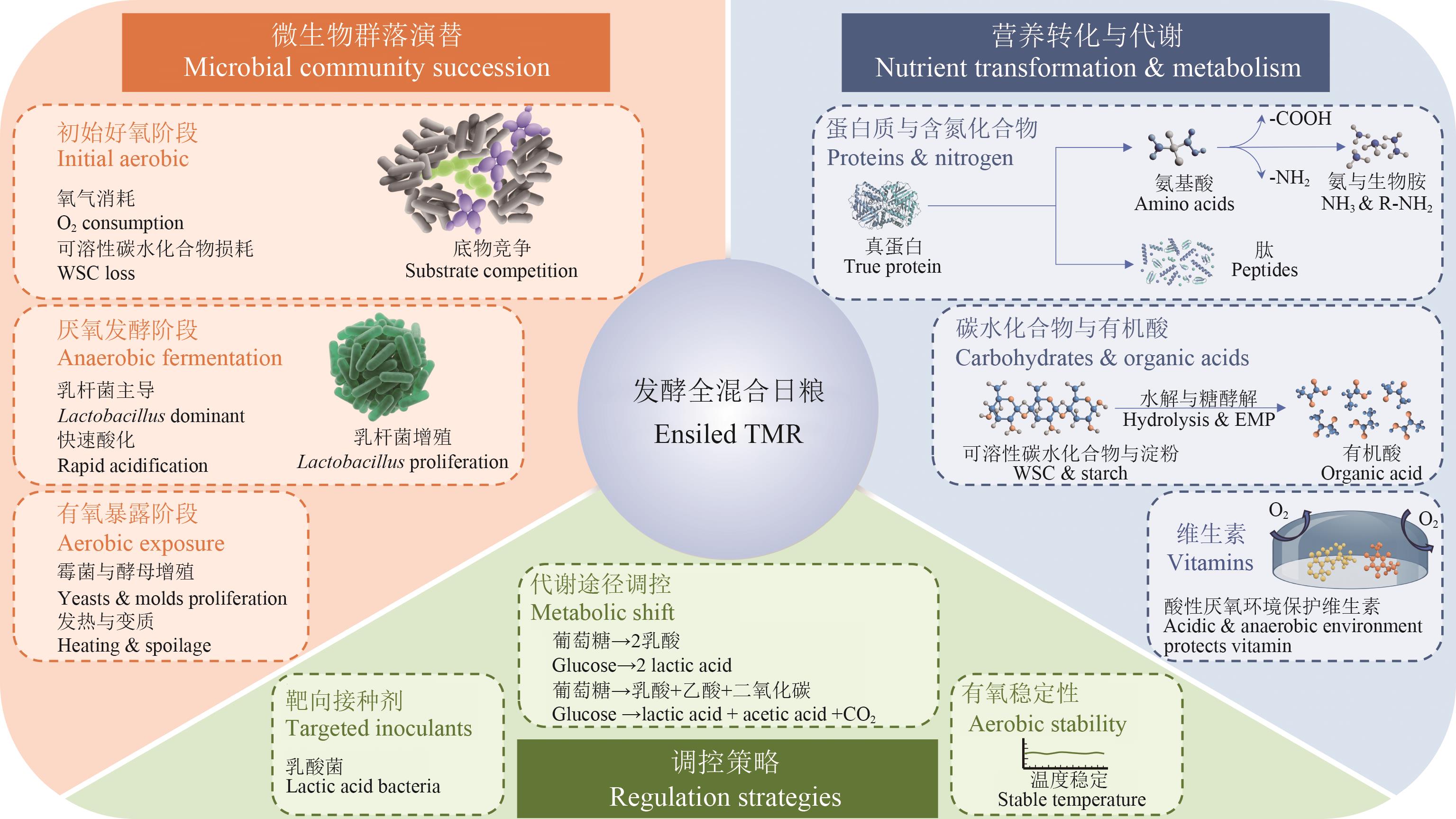
Fig. 1 Schematic representation of microbial community succession, nutrient metabolism, and quality regulation strategies in ensiled total mixed ration
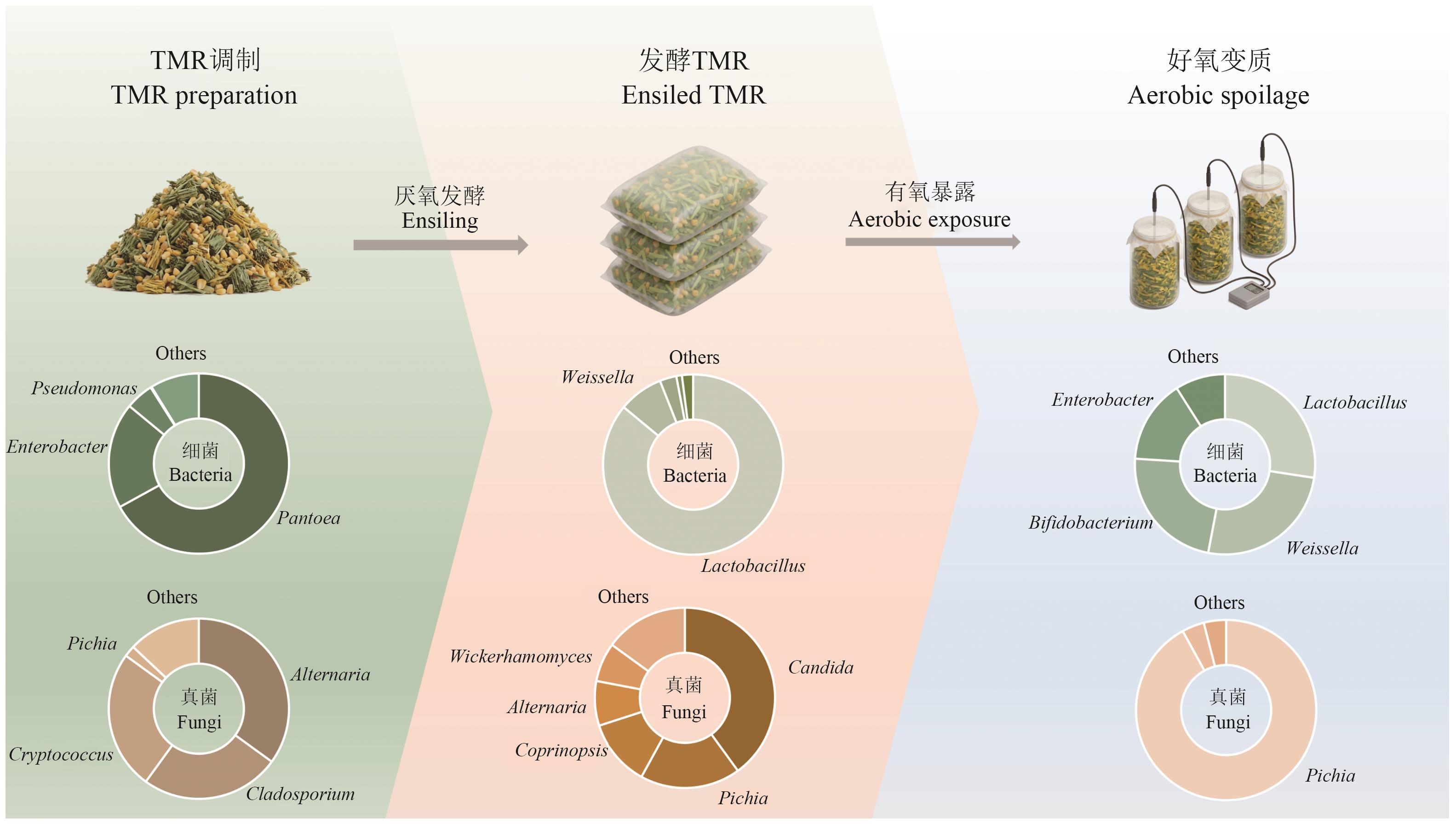
Fig. 2 Composition and succession patterns of dominant bacterial and fungal communities in ensiled total mixed ration during different stages
| [1] | 谯仕彦. 饲料营养与饲养科技创新是实施饲用豆粕减量行动的主要抓手 [J]. 中国饲料, 2023(22): 8-14. |
| Qiao SY. The innovation of feed nutrition and feeding technology is the main starting point for the reduction of feed soybean meal [J]. China Feed, 2023(22): 8-14. | |
| [2] | 王国坤, 蔺玉萍, 王钦宏, 等. 微生物蛋白制造的发展趋势与挑战 [J]. 科学通报, 2023, 68(21): 2779-2789. |
| Wang GK, Lin YP, Wang QH, et al. Microbial protein manufacturing: The developing trend and challenge [J]. Chin Sci Bull, 2023, 68(21): 2779-2789. | |
| [3] | 耿爽, 王斯佳. 非常规饲料资源开发的思路与方法 [J]. 饲料研究, 2020, 43(5): 97-100. |
| Geng S, Wang SJ. Research ideas and methods on development of unconventional feed resource [J]. Feed Res, 2020, 43(5): 97-100. | |
| [4] | 江迪, 徐春城. 发酵TMR应用及其微生物种群演替规律研究进展 [J]. 生物技术通报, 2021, 37(9): 31-38. |
| Jiang D, Xu CC. Research progress in the succession of microbial communities in total mixed ration silage [J]. Biotechnol Bull, 2021, 37(9): 31-38. | |
| [5] | 王一凡, 刘奕婷, 卓兴良, 等. 发酵全混合日粮品质的调控及其对反刍动物生产性能的影响 [J]. 中国畜牧杂志, 2025, 61(3): 1-9. |
| Wang YF, Liu YT, Zhuo XL, et al. Research progress on the quality control of fermented total mixed diets and their effects on ruminants performance [J]. Chin J Anim Sci, 2025, 61(3): 1-9. | |
| [6] | Zheng ML, Niu DZ, Jiang D, et al. Dynamics of microbial community during ensiling direct‐cut alfalfa with and without LAB inoculant and sugar [J]. J Appl Microbiol, 2017, 122(6): 1456-1470. |
| [7] | Jiang D, Tang XR, Zheng MH, et al. Mechanistic insights into fungal succession mediated by Pichia kudriavzevii during aerobic deterioration of ensiled total mixed ration [J]. BMC Microbiol, 2025, 25(1): 714. |
| [8] | Bakrie B, Sastro Y, Sudolar NR. Effect of different accellerators and inoculums used in fermentation on quality of dead chicken silage flour as feed ingredient for catfish [J]. J Indonesian Trop Anim Agric, 2017, 42(2): 99. |
| [9] | Drouin P, Tremblay J, da Silva ÉB, et al. Changes to the microbiome of alfalfa during the growing season and after ensiling with Lentilactobacillus buchneri and Lentilactobacillus hilgardii inoculant [J]. J Appl Microbiol, 2022, 133(4): 2331-2347. |
| [10] | Xu HW, Sun L, Na N, et al. Dynamics of bacterial community and fermentation quality in Leymus chinensis silage treated with lactic acid bacteria and/or water [J]. Front Microbiol, 2021, 12: 717120. |
| [11] | 陈梦言, 白洁, 柯文灿, 等. 青贮饲料微生物群落组成与功能研究进展 [J]. 生物技术通报, 2021, 37(9): 11-23. |
| Chen MY, Bai J, Ke WC, et al. Research advances in silage microbial communities and functions [J]. Biotechnol Bull, 2021, 37(9): 11-23. | |
| [12] | Zhao J, Li XB, Liu HP, et al. Ensilage using Leuconostoc lactis and Weissella confusa reduces microbial risk and enhances hygienic quality of whole-crop corn [J]. Chem Biol Technol Agric, 2024, 11(1): 44. |
| [13] | Jin YT, Yuan B, Li FH, et al. Fermentation characteristics, nutrient content, and microbial population of Silphium perfoliatum L. silage produced with different lactic acid bacteria additives [J]. Animals, 2025, 15(13): 1955. |
| [14] | He C, Li Q, Xiao HD, et al. Effects of mixing ratio and lactic acid bacteria preparation on the quality of whole-plant quinoa and whole-plant corn or Stevia Powder mixed silage [J]. Microorganisms, 2025, 13(1): 78. |
| [15] | Huang ZP, Wang MS, Ke WC, et al. Screening of high 1,2-propanediol production by Lactobacillus buchneri strains and their effects on fermentation characteristics and aerobic stability of whole-plant corn silage [J]. Agriculture, 2021, 11(7): 590. |
| [16] | 王晓春, 赵燕萍, 杨天辉, 等. 5种饲草青贮质量及微生物多样性差异分析 [J]. 草地学报, 2025, 33(11): 3610-3620. |
| Wang XC, Zhao YP, Yang TH, et al. Analysis of the quality and microbial diversity of five forage silages [J]. Acta Agrestia Sin, 2025, 33(11): 3610-3620. | |
| [17] | 郭雪晴, 李荣荣, 黄梁妍, 等. 砂仁精油对残次苹果和玉米秸混合青贮品质和细菌菌群的影响 [J]. 饲料工业, 2025, 46(12): 114-119. |
| Guo XQ, Li RR, Huang LY, et al. Effects of Amomum villosum lour. essential oil on fermentation quality and bacterial community of mixed silage of defective apples and corn stove [J]. Feed Ind, 2025, 46(12): 114-119. | |
| [18] | Ramírez-Vega H, Arteaga-Garibay RI, Maya-Lucas O, et al. The bacterial community associated with the Amarillo zamorano maize (Zea mays) Landrace silage process [J]. Microorganisms, 2020, 8(10): 1503. |
| [19] | Wang WW, Tan ZF, Gu LB, et al. Variation of microbial community and fermentation quality in corn silage treated with lactic acid bacteria and Artemisia argyi during aerobic exposure [J]. Toxins, 2022, 14(5): 349. |
| [20] | de Souza Silva C, de Araújo GGL, Santos EM, et al. Fermentative characteristics, nutritional aspects, aerobic stability, and microbial populations of total mixed ration silages based on relocated sorghum silage and Cactus Pear for sheep diets [J]. Agronomy, 2025, 15(2): 506. |
| [21] | Soundharrajan I, Min CW, Jung JS, et al. Effects of the novel lacticaseibacillus paracasei K-68 inoculant on nutrient content, fermentation, and microbial dynamics changes in dacheongok corn silage [J]. Fermentation, 2025, 11(6): 304. |
| [22] | Chai ZY, Dong FY, Xie SY, et al. Growth/no-growth boundary of superdormant Clostridium perfringens spores under synergic treatment of heat and hydrostatic pressure: Modeling and evaluation [J]. Innov Food Sci Emerg Technol, 2025, 100: 103936. |
| [23] | Randby ÅT, Bakken AK. Effect of acid based additive treatment of low dry matter grass crops on losses and silage quality in bunker silos [J]. Anim Feed Sci Technol, 2021, 275: 114869. |
| [24] | Leon-Tinoco AY, Garcia M, Stonoha-Arther C, et al. Factors influencing protein utilisation in legume silage and hay for ruminants [J]. Grass Forage Sci, 2025, 80(2): e12729. |
| [25] | Guizelini CC, Lemos RAA, de Paula JLP, et al. Type C botulism outbreak in feedlot cattle fed contaminated corn silage [J]. Anaerobe, 2019, 55: 103-106. |
| [26] | Zhang GN, Fang XP, Feng GZ, et al. Silage fermentation, bacterial community, and aerobic stability of total mixed ration containing wet corn gluten feed and corn stover prepared with different additives [J]. Animals, 2020, 10(10): 1775. |
| [27] | Wang HL, Ning TT, Hao W, et al. Dynamics associated with prolonged ensiling and aerobic deterioration of total mixed ration silage containing whole crop corn [J]. Asian Australas J Anim Sci, 2016, 29(1): 62-72. |
| [28] | Liu BY, Huan HL, Gu HR, et al. Dynamics of a microbial community during ensiling and upon aerobic exposure in lactic acid bacteria inoculation-treated and untreated barley silages [J]. Bioresour Technol, 2019, 273: 212-219. |
| [29] | Tran Thi Minh T, Van Nguyen Huu, Nishino N. A pilot examination of the fermentation products, aerobic stability and bacterial community of total mixed ration silage produced in Vietnam [J]. Grassland Sci, 2014, 60(1): 63-68. |
| [30] | Cappellozza BI, Cooke RF, Amaral RC, et al. Ruminant nutrition symposium: novel microbial solutions to optimize production efficiency in beef and dairy systems [J]. J Anim Sci, 2025, 103: skaf165. |
| [31] | Hao W, Tian PJ, Zheng ML, et al. Characteristics of proteolytic microorganisms and their effects on proteolysis in total mixed ration silages of soybean curd residue [J]. Asian-Australas J Anim Sci, 2020, 33(1): 100-110. |
| [32] | Silva YA, Cardoso MVSB, Carvalho BF, et al. Lactic acid bacteria strains isolated from rehydrated corn grain silage enhance the chemical and microbiological characteristics and aerobic stability of these silages [J]. J Appl Microbiol, 2025, 136(8): lxaf185. |
| [33] | Muck RE, Driehuis F, Spoelstra SF, et al. Microbiology of ensiling [J]. Silage Sci Technology, 2003, 42: 31-93. |
| [34] | Song JJ, Zhang X, Wen XF, et al. The effects of microorganisms and cellulases on the quality and microbial diversity of Caragana korshinskii silage [J]. Fermentation, 2025, 11(3): 115. |
| [35] | Jiang D, Zheng ML, Niu DZ, et al. Effects of steam explosion pretreatment and Lactobacillus buchneri inoculation on fungal community of unensiled and ensiled total mixed ration containing wheat straw during air exposure [J]. J Appl Microbiol, 2020, 128(3): 675-687. |
| [36] | Li XB, Cheng YZ, Yang FF, et al. Improving total mixed ration silage: effects of lactic acid bacteria inoculants and antimicrobial additives on fermentation quality and aerobic stability [J]. Agronomy, 2024, 14(8): 1602. |
| [37] | Cavalcanti HS, Oliveira JS, Perazzo AF, et al. Cottonseed cake and Weissella cibaria as additives for sugarcane silage [J]. N Z J Agric Res, 2025, 68(7): 2312-2327. |
| [38] | Yuan XJ, Wen AY, Wang J, et al. Effects of four short-chain fatty acids or salts on fermentation characteristics and aerobic stability of alfalfa (Medicago sativa L.) silage [J]. J Sci Food Agric, 2018, 98(1): 328-335. |
| [39] | Ávila CLS, Bravo Martins CEC, Schwan RF. Identification and characterization of yeasts in sugarcane silages [J]. J Appl Microbiol, 2010, 109(5): 1677-1686. |
| [40] | Rodríguez-Blanco M, Marín S, Sanchis V, et al. Fusarium mycotoxins in total mixed rations for dairy cows [J]. Mycotoxin Res, 2020, 36(3): 277-286. |
| [41] | Ren HW, Li JL, Lan YY, et al. Bioaugmented ensiling of sweet sorghum with Pichia anomala and cellulase and improved enzymatic hydrolysis of silage via ball milling [J]. J Environ Manag, 2024, 354: 120327. |
| [42] | Liu MJ, Sun L, Wang ZJ, et al. Effects of alfalfa hay to oat hay ratios on chemical composition, fermentation characteristics, and fungal communities during aerobic exposure of fermented total mixed ration [J]. Fermentation, 2023, 9(5): 480. |
| [43] | Pobednov YA, Mamaev AA, Osipyan BA, et al. Aerobic stability of alfalfa silage and methods of its improvement [J]. IOP Conf Ser Earth Environ Sci, 2021, 901(1): 012001. |
| [44] | Paradhipta DHV, Seo MJ, Jeong SM, et al. Antifungal and carboxylesterase-producing bacteria applied into corn silage still affected the fermented total mixed ration [J]. Anim Biosci, 2023, 36(5): 720-730. |
| [45] | Biscoto GL, Salvato LA, Alvarenga ÉR, et al. Mycotoxins in cattle feed and feed ingredients in Brazil: a five-year survey [J]. Toxins, 2022, 14(8): 552. |
| [46] | Zhao J, Wang SR, Dong ZH, et al. Effect of substituting Pennisetum sinese with bamboo shoot shell (BSS) on aerobic stability and digestibility of ensiled total mixed ration [J]. Ital J Anim Sci, 2021, 20(1): 1706-1715. |
| [47] | Soder KJ, Brito AF, Rubano MD. Effect of supplementing orchardgrass herbage with a total mixed ration or flaxseed on fermentation profile and bacterial protein synthesis in continuous culture [J]. J Dairy Sci, 2013, 96(5): 3228-3237. |
| [48] | Bai R, Wen SS, Li HP, et al. Effect of roughage-to-concentrate ratio and lactic acid bacteria additive on quality, aerobic stability, and in vitro digestibility of fermented total mixed ration [J]. Agriculture, 2024, 14(12): 2230. |
| [49] | Podkówka Z, Gęsiński K, Podkówka L. The influence of additives facilitating ensiling on the quality of quinoa (Chenopodium quinoa Willd.) silage [J]. J Cent Eur Agric, 2018, 19(3): 607-614. |
| [50] | Kim D, Dong Lee K, Choon Choi K. Role of LAB in silage fermentation: Effect on nutritional quality and organic acid production—An overview [J]. AIMS Agric Food, 2021, 6(1): 216-234. |
| [51] | Keshri J, Chen Y, Pinto R, et al. Bacterial dynamics of wheat silage [J]. Front Microbiol, 2019, 10: 1532. |
| [52] | Li Y, Lv JY, Wang JH, et al. Changes in carbohydrate composition in fermented total mixed ration and its effects on in vitro methane production and microbiome [J]. Front Microbiol, 2021, 12: 738334. |
| [53] | Ning TT, Wang HL, Zheng ML, et al. Effects of microbial enzymes on starch and hemicellulose degradation in total mixed ration silages [J]. Asian-Australas J Anim Sci, 2017, 30(2): 171-180. |
| [54] | Lara EC, Bragiato UC, Rabelo CHS, et al. Inoculation of corn silage with Lactobacillus plantarum and Bacillus subtilis associated with amylolytic enzyme supply at feeding. 1. Feed intake, apparent digestibility, and microbial protein synthesis in wethers [J]. Anim Feed Sci Technol, 2018, 243: 22-34. |
| [55] | Bai J, Franco M, Ding ZT, et al. Effect of Bacillus amyloliquefaciens and Bacillus subtilis on fermentation, dynamics of bacterial community and their functional shifts of whole-plant corn silage [J]. J Anim Sci Biotechnol, 2022, 13(1): 7. |
| [56] | Gandra JR, Mattos RM, Soares TMDM, et al. Rehydrated corn grain silage and exogenous protease: effects on dairy cow performance, metabolism, and starch digestibility [J]. Dairy, 2025, 6(1): 1. |
| [57] | Xia TQ, Tahir M, Wang TW, et al. Lactobacillus cocktail and cellulase synergistically improve the fiber transformation rate in Sesbania cannabina and sweet sorghum mixed silage [J]. Chem Biol Technol Agric, 2024, 11(1): 81. |
| [58] | Ma HK, Dong A, Xu YO, et al. Regulatory effects of high concentrate diet synergistically fermented with cellulase and lactic acid bacteria: in vitro ruminal fermentation, methane production, and rumen microbiome [J]. Anim Feed Sci Technol, 2025, 319: 116194. |
| [59] | Soundharrajan I, Jung JS, Muthusamy K, et al. Effects of different lactic acid bacteria in single or mixed form on the fermentative parameters and nutrient contents of early heading Triticale Silage for livestock [J]. Foods, 2023, 12(23): 4296. |
| [60] | Sun YR, Shan GL, Grantz DA, et al. Sensor model fusion reveals the dynamics of Lactobacillus fermentation with real time concentrations of lactic and acetic acids in ensiling of maize and ryegrass [J]. Sens Actuat B Chem, 2024, 418: 136364. |
| [61] | Hafner SD, Howard C, Muck RE, et al. Emission of volatile organic compounds from silage: Compounds, sources, and implications [J]. Atmos Environ, 2013, 77: 827-839. |
| [62] | Feng QX, Zhang J, Ling WQ, et al. Ensiling hybrid Pennisetum with lactic acid bacteria or organic acids improved the fermentation quality and bacterial community [J]. Front Microbiol, 2023, 14: 1216722. |
| [63] | Fabiszewska A, Piasecka-Jóźwiak K, Choińska R, et al. Enhancing propionic acid formation and biogas yield from grass silage via co-fermentation of Pediococcus acidilactici and Lentilactobacillus buchneri [J]. Bioresour Technol, 2025, 437: 133107. |
| [64] | Yang X, Zhang ZP, Song LL, et al. Solid-state anaerobic microbial ensilage: a combined wet storage and pretreatment method for the bioconversion of lignocellulosic biomass [J]. Waste Biomass Valorization, 2020, 11(7): 3381-3396. |
| [65] | Yan XQ, Bao J, Zhao M, et al. High-moisture alfalfa silage fermentation: a comparative study on the impact of additives including formic acid, Lactobacillus plantarum, cinnamon essential oil, and wood vinegar [J]. Microbiol Spectr, 2025, 13(9): e00003-e00025. |
| [66] | Qiu CC, Yang KL, Diao XG, et al. Effects of kinds of additives on fermentation quality, nutrient content, aerobic stability, and microbial community of the mixed silage of king grass and rice straw [J]. Front Microbiol, 2024, 15: 1420022. |
| [67] | Pordeus NM, Oliveira ER, Takiya CS, et al. Snaplage with microbial inoculant or organic acids has altered fermentative losses, microorganism counts, starch content and improves feed intake, digestibility and modulates ruminal fermentation in lambs [J]. N Z J Agric Res, 2023, 66(4): 349-365. |
| [68] | Chen L, Yuan XJ, Li JF, et al. Effect of lactic acid bacteria and propionic acid on conservation characteristics, aerobic stability and in vitro gas production kinetics and digestibility of whole-crop corn based total mixed ration silage [J]. J Integr Agric, 2017, 16(7): 1592-1600. |
| [69] | da Silva Oliveira K, de Souza Salvati GG, de Morais G, et al. Effect of length of storage and chemical additives on the nutritive value and starch degradability of reconstituted corn grain silage [J]. Agronomy, 2023, 13(1): 209. |
| [70] | Sarwar M, Khan MA, Mahr-un-Nisa. Effect of organic acids or fermentable carbohydrates on digestibility and nitrogen utilisation of urea-treated wheat straw in buffalo bulls [J]. Aust J Agric Res, 2004, 55(2): 223-228. |
| [71] | Gheller LS, Ghizzi LG, Takiya CS, et al. Different organic acid preparations on fermentation and microbiological profile, chemical composition, and aerobic stability of whole-plant corn silage [J]. Anim Feed Sci Technol, 2021, 281: 115083. |
| [72] | Jayanegara A, Wardiman B, Kondo M, et al. Fermentative quality of silage as affected by protein level in the ensiled material: a meta-analysis [J]. IOP Conf Ser Earth Environ Sci, 2020, 462(1): 012001. |
| [73] | da Silveira TC, Ribeiro KG, Santos Roseira JP, et al. Strategic ensilage of signal grass pastures in two seasons in a tropical region [J]. Agronomy, 2024, 14(4): 822. |
| [74] | Zhang L, Zeng Y, Fu L, et al. Dynamic changes in microorganisms and metabolites during silage fermentation of whole winter wheat [J]. Vet Sci, 2025, 12(8): 708. |
| [75] | Hilgers B, Böttger C, Weiß K, et al. Effects of hydrolysable tannin extract and dry matter concentration on ensiled legume and grass forages-Chemical composition, crude protein fractions and in vitro gas production kinetics [J]. Anim Feed Sci Technol, 2025, 327: 116430. |
| [76] | Xia TQ, Wang TW, Zhang JQ, et al. In-depth proteomic analysis of alfalfa silage inoculated with Lactiplantibacillus plantarum reveals protein transformation mechanisms and optimizes dietary nitrogen utilization [J]. Int J Biol Macromol, 2025, 309: 142638. |
| [77] | Neto JDP, Dubeux JCB Jr, DiLorenzo N, et al. Limpograss [Hemarthria altissima] silage and protein supplementation as an alternative feed option for growing heifers in north Florida [J]. Animals, 2024, 14(16): 2398. |
| [78] | Du ZM, Na RS, Ge GT, et al. Dynamic changes and characterization of the protein and carbohydrate fractions of native grass grown in Inner Mongolia during ensiling and the aerobic stage [J]. Asian-Australas J Anim Sci, 2020, 33(4): 556-567. |
| [79] | Jin YT, Wang P, Li FH, et al. The effects of Lactobacillus plantarum and Lactobacillus buchneri on the fermentation quality, in vitro digestibility, and aerobic stability of Silphium perfoliatum L. silage [J]. Animals, 2024, 14(15): 2279. |
| [80] | Wang YF, Chen X, Zhuo XL, et al. Effect of different harvest times and processing methods on the vitamin content of Leymus [J]. Front Nutr, 2024, 11: 1424334. |
| [81] | Jia TT, Sun ZQ, Gao R, et al. Lactic acid bacterial inoculant effects on the vitamin content of alfalfa and Chinese Leymus silage [J]. Asian-Australas J Anim Sci, 2019, 32(12): 1873-1881. |
| [82] | Tian PJ, Niu DZ, Zuo SS, et al. Vitamin A and E in the total mixed ration as influenced by ensiling and the type of herbage [J]. Sci Total Environ, 2020, 746: 141239. |
| [83] | 陈荀, 寇文慧, 刘洋, 等. 不同添加剂对紫花苜蓿和燕麦混合青贮品质及维生素含量的影响 [J]. 饲料研究, 2025, 48(8): 117-121. |
| Chen X, Kou WH, Liu Y, et al. Effects of different additives on quality and vitamin content of alfalfa and oat mixed silagean [J]. Feed Res, 2025, 48(8): 117-121. | |
| [84] | Cheng YM, Wu ZD, Bi KJ, et al. Impact of inoculating various lactic acid bacteria on vitamin A levels in total mixed ration silage [J]. Sci Rep, 2025, 15: 7343. |
| [85] | Filippova VA, Laptev GY, Ilina LA, et al. Comparative genomics of two novel Bacillus strains: microbiomic insights into the sequences, metabolomics, and potential safe use in the creation of biopreparations [J]. Front Biosci (Elite Ed), 2025, 17(2): 28227. |
| [86] | Wu JX, Zong C, Shao T, et al. Clarifying the relationships among bacteria, lipid-related enzymes, main polyunsaturated fatty acids and fat-soluble vitamins in alfalfa (Medicago sativa L.) silage using various sugar supplementations [J]. Anim Feed Sci Technol, 2021, 272: 114799. |
| [87] | Zong C, Wu QF, Wu AL, et al. Exploring the diversity mechanism of fatty acids and the loss mechanisms of polyunsaturated fatty acids and fat-soluble vitamins in alfalfa silage using different additives [J]. Anim Feed Sci Technol, 2021, 280: 115044. |
| [88] | Tian PJ, Hu HY, Zhang XY, et al. Effects of temperature and moisture levels on vitamin a in total mixed ration silage [J]. Fermentation, 2023, 9(7): 614. |
| [89] | Koczoń P, Niemiec T, Bartyzel BJ, et al. Chemical changes that occur in Jerusalem artichoke silage [J]. Food Chem, 2019, 295: 172-179. |
| [1] | WANG Yu, LIAO Yong-qin, JIA Jian-peng, LIU Xin, SHI Zhu-li, SHI Zhu-feng, PU Te, HE Fei-fei, YANG Pei-wen. Effects of Phenolic Acid-degrading Bacterium Bacillus halotolerans YNK-FB0022 on Microbial Diversity in Soil Infected with Tomato Fusarium Wilt [J]. Biotechnology Bulletin, 2026, 42(5): 101-112. |
| [2] | XU Chong-xin, ZHONG Jian-feng, GAO Mei-jing, LU Li-na, LIU Xian-jin, SHEN Yan. Research Progress in Plant Endophyte on the Quality Safety and Nutritional Quality Regulation of Edible Agricultural Products [J]. Biotechnology Bulletin, 2022, 38(5): 215-227. |
| [3] | YAN Hui-lin, LU Guang-xin, DENG Ye, GU Song-song, YAN Cheng-liang, MA Kun, ZHAO Yang-an, ZHANG Hai-juan, WANG Ying-cheng, ZHOU Xue-li, DOU Sheng-yun. Effects of Rhizobium Seed Dressing on the Soil Microbial Community of Grass-legume Mixtures in Alpine Regions [J]. Biotechnology Bulletin, 2022, 38(10): 204-215. |
| [4] | XIN Ya-fen, CHEN Chen, ZENG Tai-ru, DU Zhao-chang, NI Hao-ran, ZHONG Yi-hao, TAN Xiao-ping, YAN Yan-hong. Research Progress in the Effects of Additives to Silage on Microbial Diversity [J]. Biotechnology Bulletin, 2021, 37(9): 24-30. |
| [5] | WANG Ting, YANG Yang, LI Jin-ping, DU Kun. Research Progress in the Effects of Genetically Modified Crops on Soil Microbial Community [J]. Biotechnology Bulletin, 2021, 37(9): 255-265. |
| [6] | JIANG Di, XU Chun-cheng. Research Progress in the Succession of Microbial Communities in Total Mixed Ration Silage [J]. Biotechnology Bulletin, 2021, 37(9): 31-38. |
| [7] | ZHANG Ying-chao, YIN Shou-liang, WANG Yi-wei, WANG Xue-kai, YANG Fu-yu. Research Progress in Woody Forage Silage [J]. Biotechnology Bulletin, 2021, 37(9): 48-57. |
| [8] | JIANG Fu-gui, CHENG Hai-jian, WEI Chen, ZHANG Zhao-kun, SU Wen-zheng, SHI Guang, SONG En-liang. Effects of Addition Amount of Molasses on the Fermentation Quality and Microbial Diversity of Hybrid Broussonetia papyrifera L. Vent Silage [J]. Biotechnology Bulletin, 2021, 37(9): 68-76. |
| [9] | DILIREBA·Abudourousuli , MUYESAIER·Aosiman , ZULIHUMAER·Rouzi , MA Qin, LEI Rui-feng, AN Deng-di. Advances on Microbial Diversity and Biological Improvement of Saline-alkali Soil [J]. Biotechnology Bulletin, 2021, 37(10): 225-233. |
| [10] | HUANG Ting, FANG Yuan, FENG Zhou, SHEN He, NIE Yong, ZHENG Xin, WANG Jia-quan, XU Zi-mu. Bacterial Communities in a Middle School Campus Assessed by High-throughput Sequencing [J]. Biotechnology Bulletin, 2020, 36(8): 96-103. |
| [11] | XIE Xian, LIANG Jun, ZHANG Ming, HU Rui-rui, CHENG Yuan, ZHANG Xing-yao. Endophytic Fungi Diversity in the Needles of Pinus densiflora with Sphaeropsis sapinea [J]. Biotechnology Bulletin, 2020, 36(2): 119-125. |
| [12] | KANG Jie, ZHANG Shu-yan, HAN Tao, SUN Zhi-mei. Microbial Diversity and Community Structure Characteristics of Yam Rhizosphere Soil at Different Development Periods [J]. Biotechnology Bulletin, 2019, 35(9): 99-106. |
| [13] | KANG Jie,ZHANG Shu-yan, HAN Tao,SUN Zhi-mei, LUO Tong-yang. Research on Rhizosphere Soil Microbial Diversity of Two Typical Kinds of Disease in Yam [J]. Biotechnology Bulletin, 2017, 33(7): 107-113. |
| [14] | GAO Xiu-zhi ,YI Xin-xin, LIU Hui ,WANG Xiao-dong ,CUI Zong-jun. Microbial Diversity of Traditional Soybean Paste During Fermentation in Northeastern China [J]. Biotechnology Bulletin, 2016, 32(4): 251-255. |
| [15] | Wu Yanyan, Qian Xixi, Li Laihao, Yang Xianqing, Ma Haixia. Research Progress on Diversity of Microbial Community During the Pickled Processing of Salted Fish Products [J]. Biotechnology Bulletin, 2015, 31(7): 40-44. |
| Viewed | ||||||
|
Full text |
|
|||||
|
Abstract |
|
|||||
