






生物技术通报 ›› 2026, Vol. 42 ›› Issue (10): 122-133.doi: 10.13560/j.cnki.biotech.bull.1985.2025-1058
• 研究报告 • 上一篇
高慧玲1, 贾峥嵘1, 薛金爱2, 宋亚楠2, 贾小云3( ), 李润植2()
收稿日期:2025-10-03
出版日期:2026-10-26
发布日期:2026-10-15
通讯作者:
李润植rli2001@126.com基金资助:
GAO Hui-ling1, JIA Zheng-rong1, XUE Jin-ai2, SONG Ya-nan2, JIA Xiao-yun3(), LI Run-zhi2()
Received:2025-10-03
Published:2026-10-26
Online:2026-10-15
摘要:
目的 亚麻荠(Camelina sativa (L.) Crantz)是一种具有开发潜力的十字花科油料作物,其种子油富含不饱和脂肪酸。脂肪酸脱氢酶(fatty acid desaturase, FAD)是催化不饱和脂肪酸合成的关键酶,鉴定亚麻荠CsFAD基因家族并解析关键基因CsFAD3.3在α-亚麻酸(α-linolenic acid, ALA)合成中的功能,可为亚麻荠种子油脂品质改良提供理论支撑。 方法 利用全基因组数据结合生物信息学方法,对亚麻荠CsFAD基因进行系统鉴定,分析其染色体分布、系统发育关系、基因结构和保守基序;结合转录组和RT-qPCR数据分析基因的组织表达模式;采用亚细胞定位验证CsFAD3.3的细胞定位;通过转基因亚麻荠和烟草进行功能验证。 结果 共鉴定54个CsFAD基因,不均匀地分布在20条染色体上。系统发育树分析将其划分为6个亚家族,与基因结构和保守基序相一致。表达谱分析显示,CsFAD基因在不同的亚组中表达模式不相同,但在同一亚家族的表达模式一致,其中CsFAD3亚家族成员(尤其CsFAD3.3)主要在种子中表达。亚细胞定位证实CsFAD3.3定位于内质网。功能验证显示,过表达CsFAD3.3显著提高亚麻荠种子中ALA含量。此外,CsFAD3.3在本氏烟草(Nicotiana benthamiana)中的瞬时表达与在普通烟草(N. tabacum)中的稳定遗传转化,分别显著提升了叶片及转基因种子中的ALA含量。 结论 CsFAD3.3定位于内质网,是亚麻荠ALA合成的关键限速酶。过表达CsFAD3.3基因显著提高了亚麻荠种子、烟草叶片及烟草种子中的ALA含量,证实了其功能的保守性。
高慧玲, 贾峥嵘, 薛金爱, 宋亚楠, 贾小云, 李润植. 亚麻荠CsFAD基因家族鉴定及α-亚麻酸合成关键基因CsFAD3.3的功能分析[J]. 生物技术通报, 2026, 42(10): 122-133.
GAO Hui-ling, JIA Zheng-rong, XUE Jin-ai, SONG Ya-nan, JIA Xiao-yun, LI Run-zhi. Genome-wide Identification of the CsFAD Gene Family in Camelina sativa and Functional Characterization of the Key Gene CsFAD3.3 Involved in α-linolenic Acid Biosynthesis[J]. Biotechnology Bulletin, 2026, 42(10): 122-133.
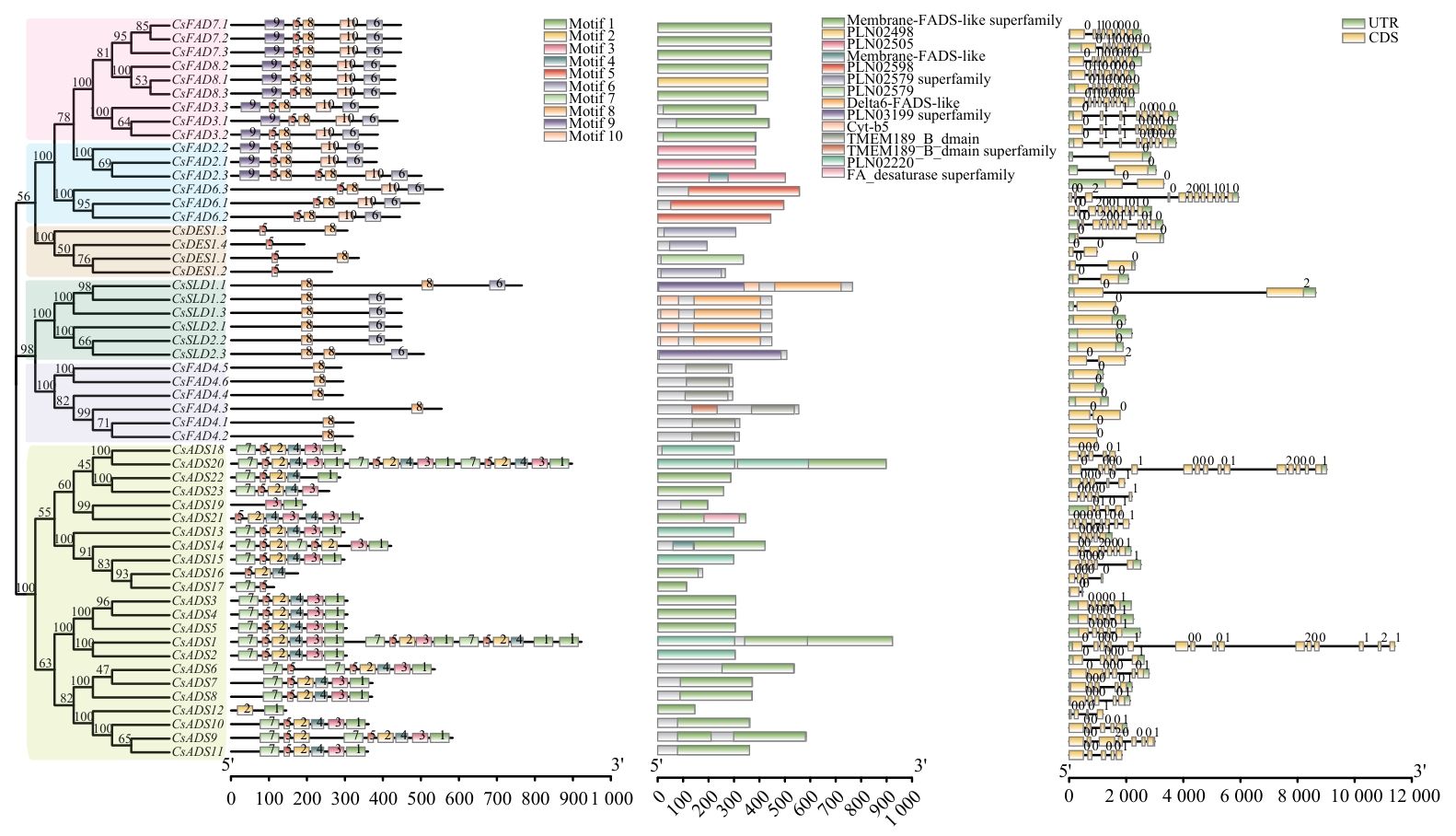
图1 亚麻荠CsFAD基因家族的系统发育树、基序、保守结构域和基因结构
Fig. 1 Phylogenetic tree, motif, conserved domain and gene structure of CsFAD gene family in camelina
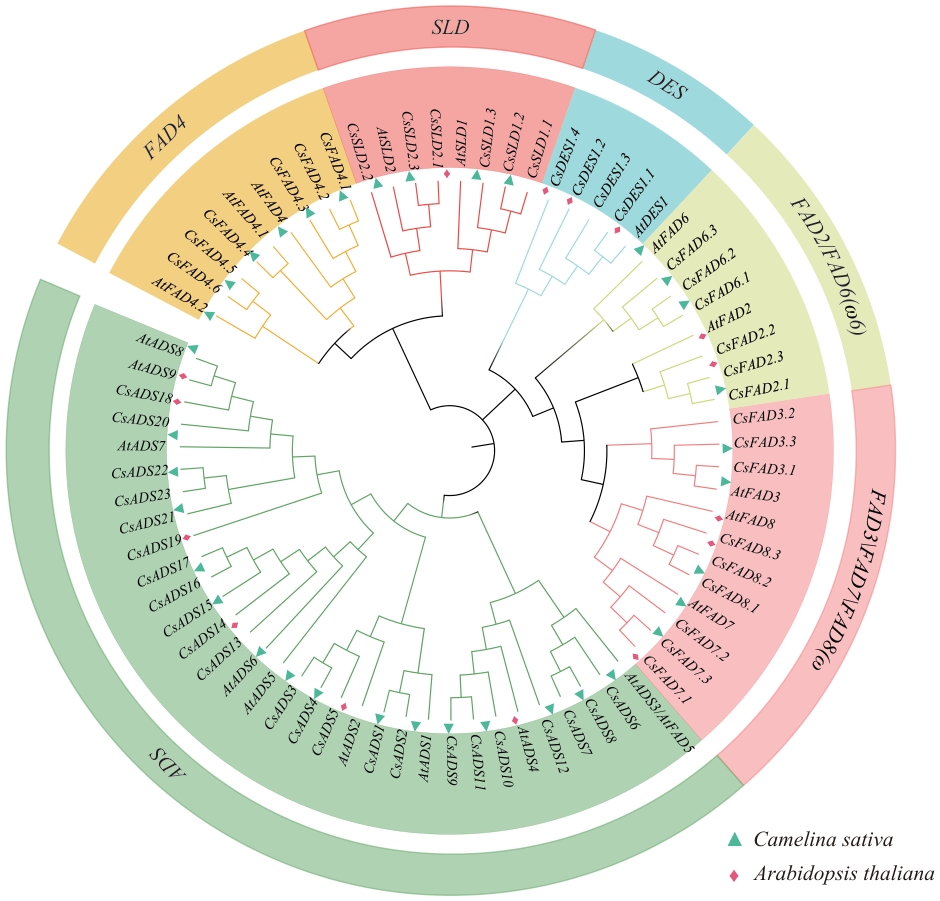
图2 亚麻荠CsFAD基因家族的进化树
Fig. 2 Phylogenetic tree of CsFAD gene family in camelina
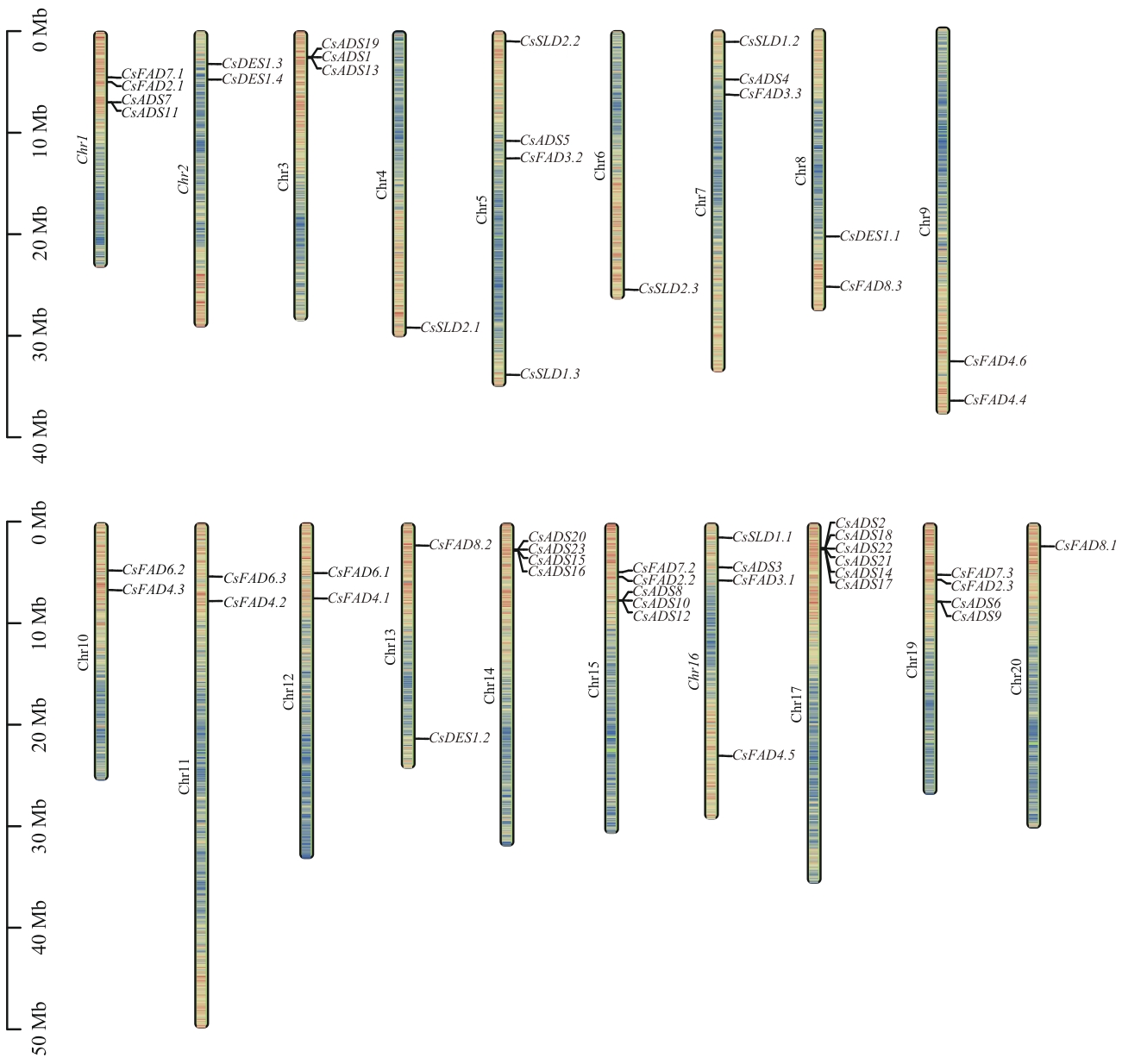
图3 亚麻荠CsFAD基因家族染色体定位
Fig. 3 Chromosome mapping of CsFAD gene family in camelina
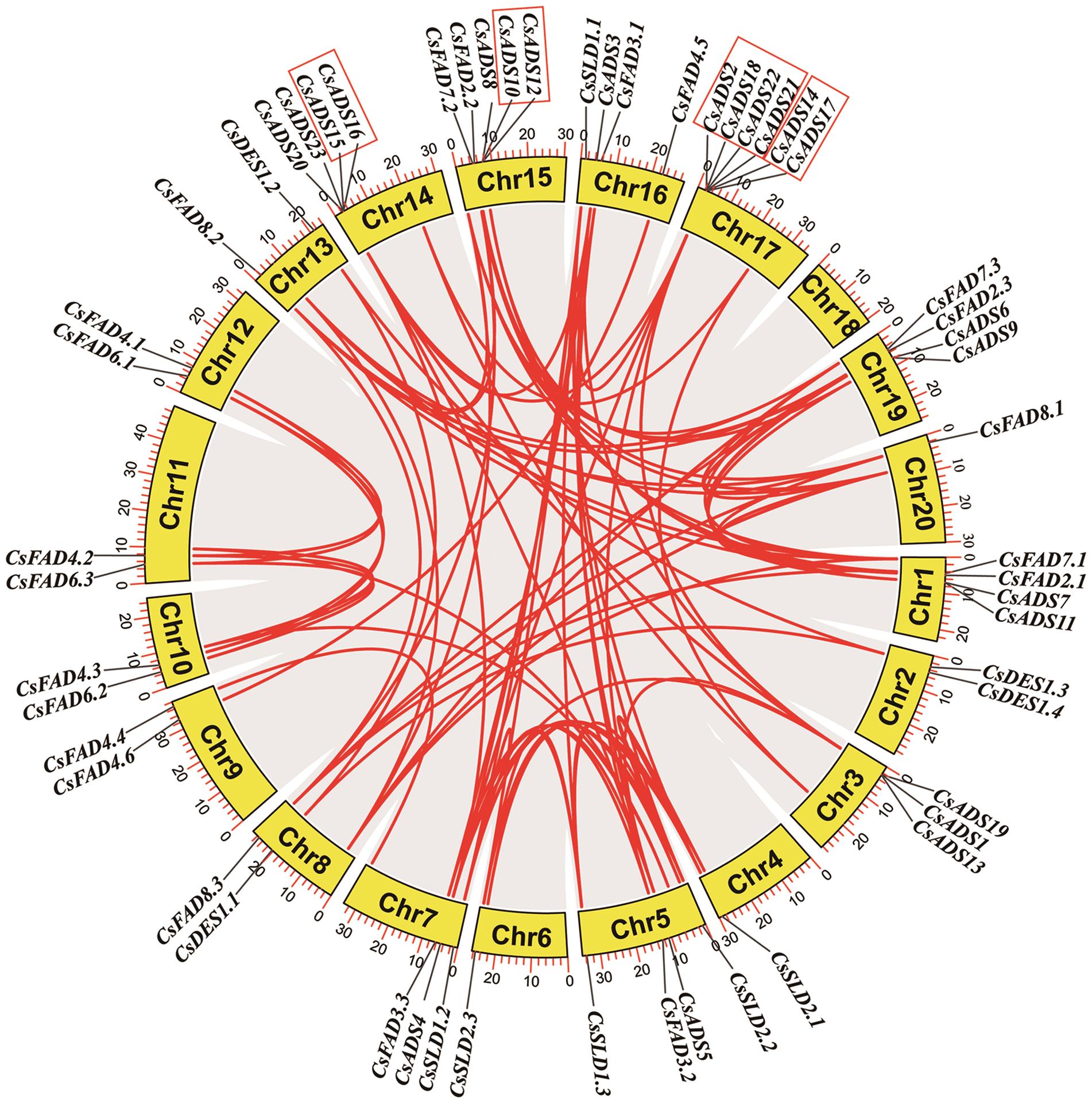
图4 亚麻荠CsFAD基因的种内共线性分析
Fig. 4 Intraspecific synteny analysis of CsFAD genes in camelina
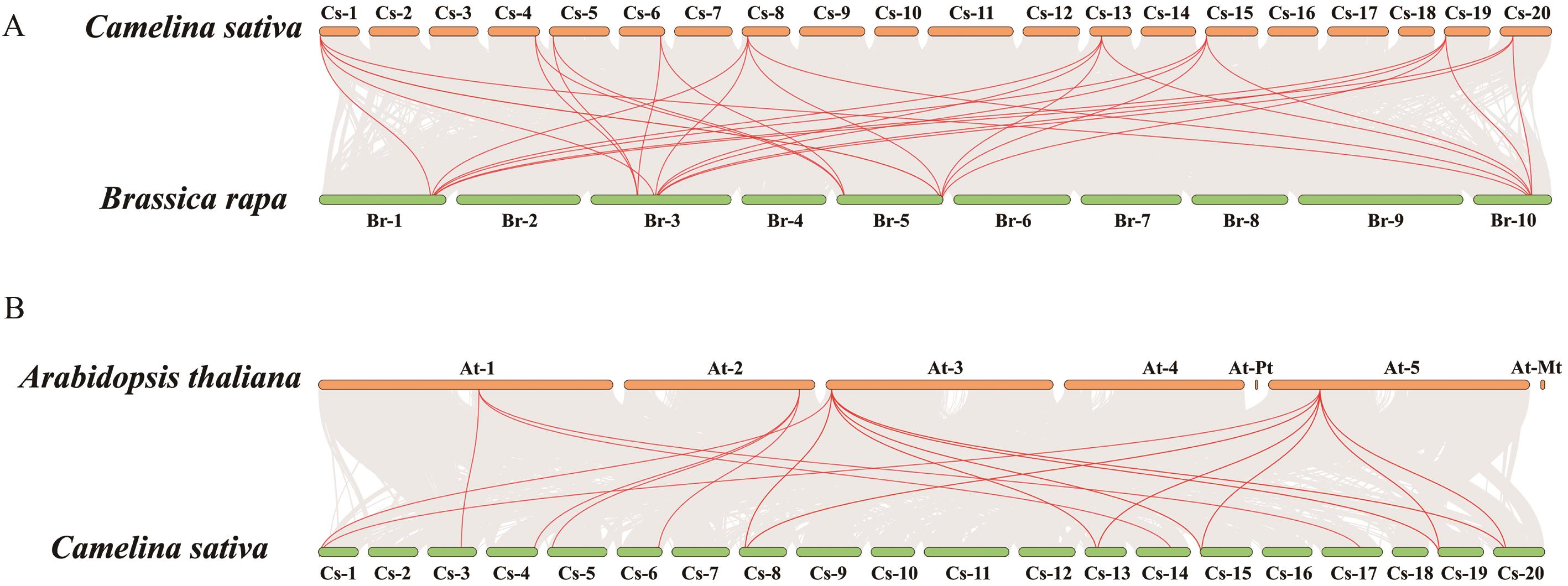
图5 亚麻荠与拟南芥(A)、白菜(B)FAD基因的共线性分析
Fig. 5 Synteny analysis of FAD genes between Camelina sativa, Arabidopsis thaliana (A), and Brassica rapa (B)
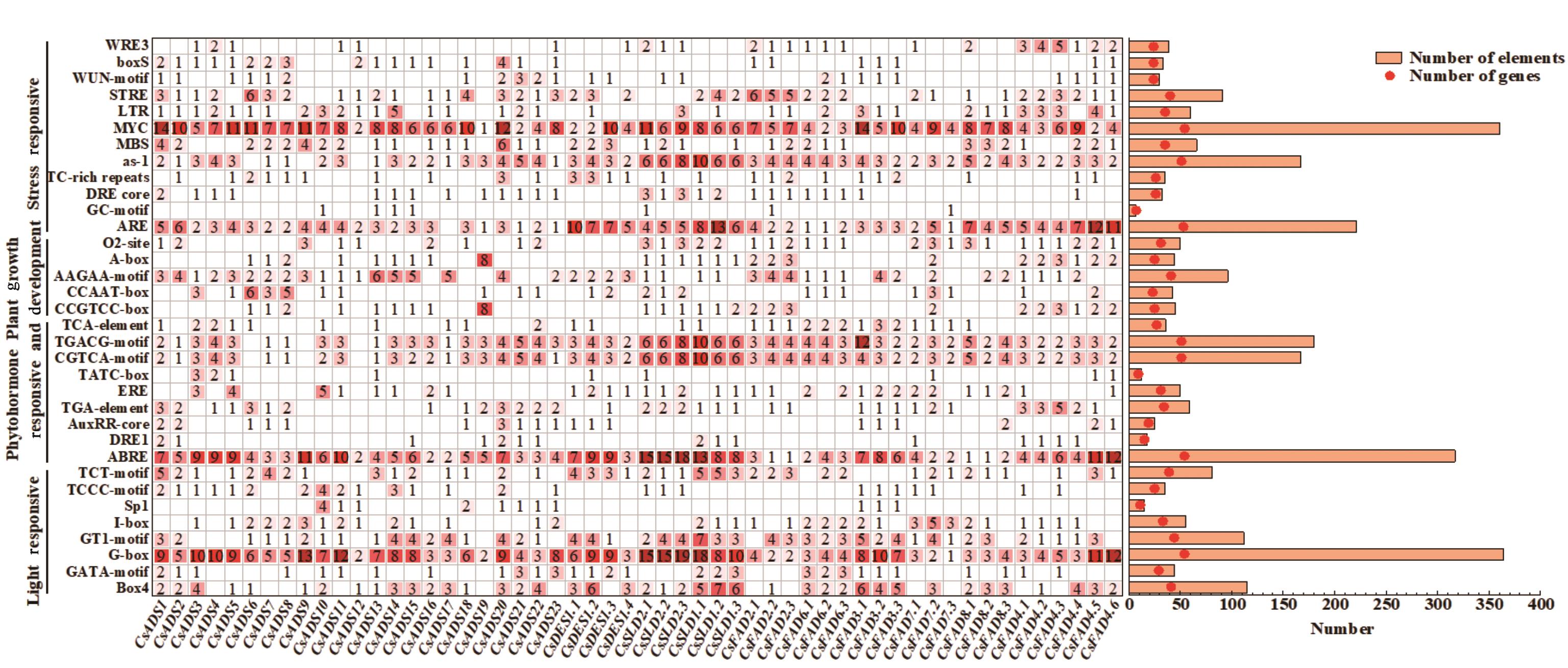
图6 亚麻荠CsFAD启动子序列顺式作用元件
Fig. 6 Cis-element analysis in camelina CsFAD promoter sequences
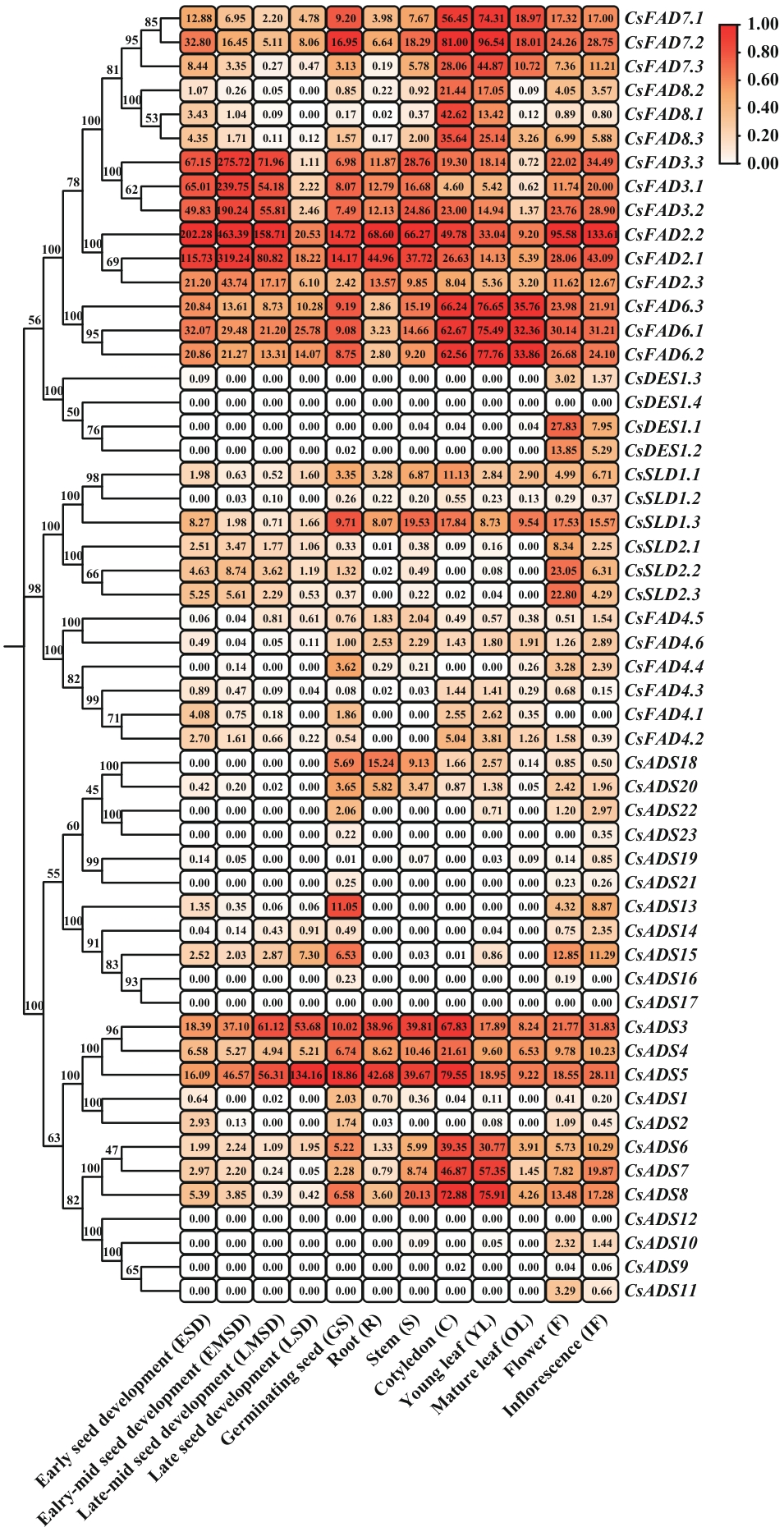
图7 亚麻荠CsFAD基因家族成员在不同组织及种子发育阶段的表达热图
Fig. 7 Expression heatmap of CsFAD family genes across various tissues and seed developmental stages in camelina
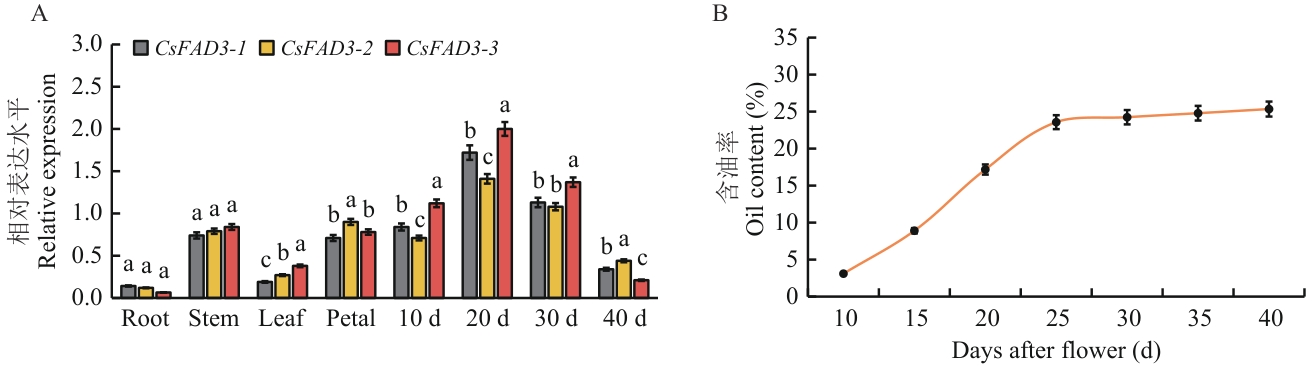
图8 CsFAD3基因在不同组织及种子发育阶段的表达谱(A)以及亚麻荠种子发育过程中油含量的动态变化(B)采用RT-qPCR分析CsFAD3基因在根、茎、叶、花和开花后10、20、30和40 d种子的表达模式。以CsActin基因为内参基因,采用2-ΔΔCt方法计算相对表达量。数据来源于3次生物学重复,以均值±标准差表示(n=3)。采用单因素方差分析(ANOVA)后进行Tukey事后检验,不同小写字母表示组间差异显著(P<0.05),下同
Fig. 8 Expression profiles of CsFAD3 gene in different tissues and seed developmental stages (A) as well as dynamic changes in oil content during seed development of camelina (B)The expression patterns of CsFAD3 genes in roots, stems, leaves, petals, and seeds at 10, 20, 30, and 40 days after flowering (DAF) were analyzed by RT-qPCR. CsActin was used as the internal reference gene, and the relative expression levels were calculated using the 2-ΔΔCt method. Data represent the mean ± standard deviation (SD) from three biological replicates (n=3). One-way analysis of variance (ANOVA) followed by Tukey’s post hoc test was performed to evaluate significant differences among groups, and different lowercase letters indicate statistically significant differences (P<0.05), the same below
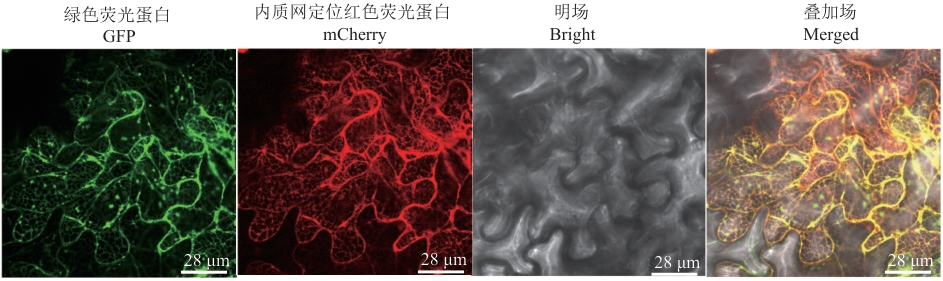
图9 CsFAD3.3蛋白的亚细胞定位
Fig. 9 Subcellular localization of the CsFAD3.3 protein
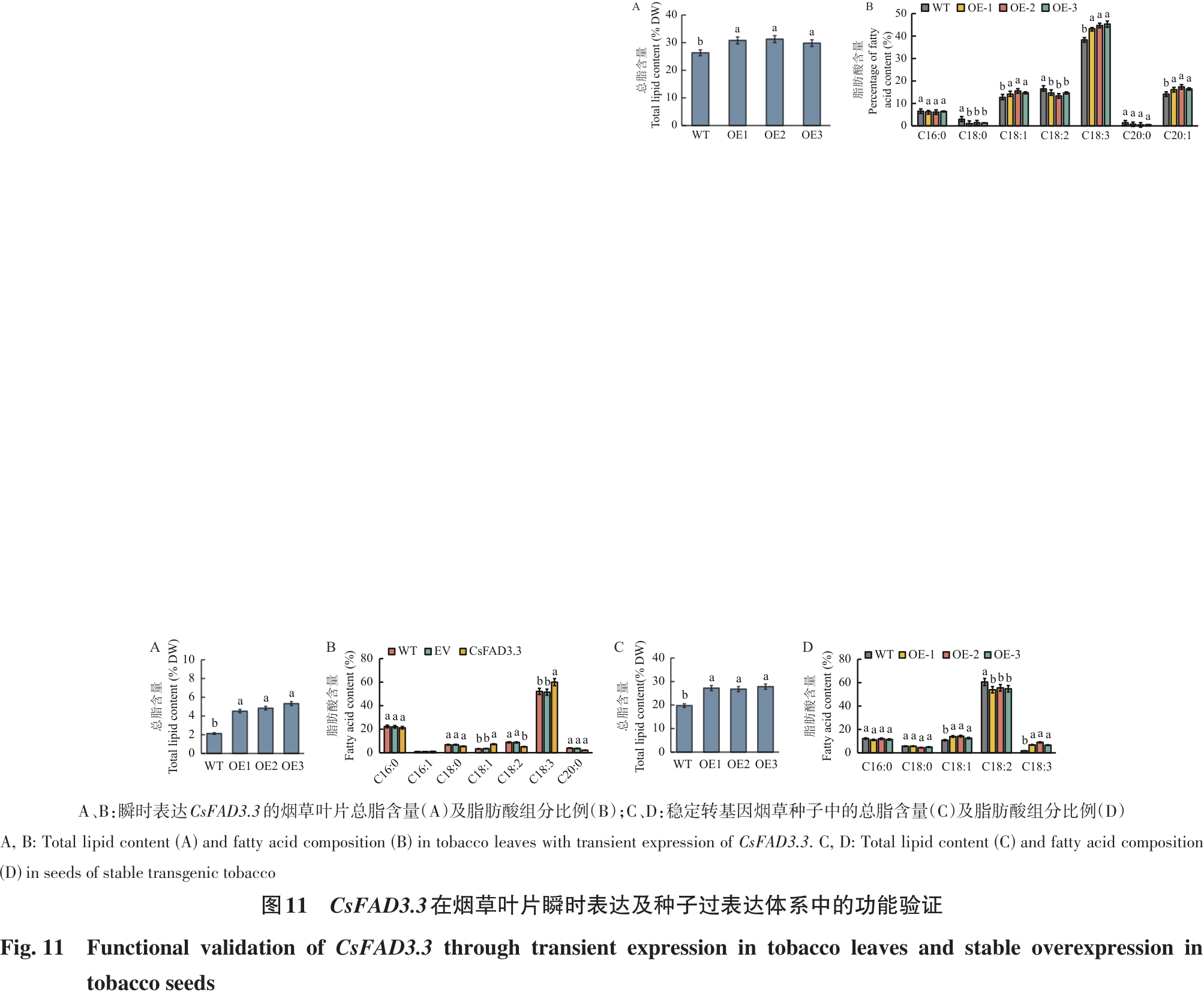
图10 过表达CsFAD3.3基因在亚麻荠种子中总脂含量(A)及脂肪酸成分(B)分析
Fig. 10 Analysis of total lipid content (A) and fatty acid composition (B) in camelina seeds overexpressing CsFAD3.3
| [1] | 李飞飞, 魏悦, 于立芹, 等. 亚麻荠植株营养及功能成分质量评价 [J]. 湖北农业科学, 2023, 62(7): 126-129, 162. |
| Li FF, Wei Y, Yu LQ, et al. Quality evaluation of nutritional and functional components in Camellia sativa plants [J]. Hubei Agric Sci, 2023, 62(7): 126-129, 162. | |
| [2] | 苑丽霞, 毛雪, 高昌勇, 等. 新型工业油料作物亚麻荠: 从基因组到代谢工程 [J]. 植物生理学报, 2015, 51(8): 1204-1216. |
| Yuan LX, Mao X, Gao CY, et al. New type of industrial oilseed crop Camelina sativa: from genome to meta-bolic engineering [J]. Plant Physiol Commun, 2015, 51(8): 1204-1216. | |
| [3] | Yuan LX, Li RZ. Metabolic engineering a model oilseed Camelina sativa for the sustainable production of high-value designed oils [J]. Front Plant Sci, 2020, 11: 11. |
| [4] | Sydor M, Kurasiak-Popowska D, Stuper-Szablewska K, et al. Camelina sativa. Status quo and future perspectives [J]. Ind Crops Prod, 2022, 187: 115531. |
| [5] | Neupane D, Lohaus RH, Solomon JKQ, et al. Realizing the potential of Camelina sativa as a bioenergy crop for a changing global climate [J]. Plants, 2022, 11(6): 772. |
| [6] | Arshad M, Mohanty AK, Van Acker R, et al. Valorization of Camelina oil to biobased materials and biofuels for new industrial uses: a review [J]. RSC Adv, 2022, 12(42): 27230-27245. |
| [7] | Bukowski MR, Goslee S. Climate-based variability in the essential fatty acid composition of soybean oil [J]. Am J Clin Nutr, 2024, 119(1): 58-68. |
| [8] | 尚丽平, 梁佩萱, 曹小东, 等. 甘蓝型油菜亚麻酸含量性状QTL定位与候选基因分析 [J]. 西北农业学报, 2025, 34(1): 24-34. |
| Shang LP, Liang PX, Cao XD, et al. QTL mapping and candidate gene identification for C18: 3 content in Brassica napus L [J]. Acta Agric Boreali Occidentalis Sin, 2025, 34(1): 24-34. | |
| [9] | Zhu SS, Zhu ZY, Wang HR, et al. Characterization and functional analysis of a plastidial FAD6 gene and its promoter in the mesocarp of oil palm (Elaeis guineensis) [J]. Sci Hortic, 2018, 239: 163-170. |
| [10] | Lu JY, Chen XY, Li JX, et al. Whole-genome identification of the flax fatty acid desaturase gene family and functional analysis of the LuFAD2.1 gene under cold stress conditions [J]. Plant Cell Environ, 2025, 48(3): 2221-2239. |
| [11] | Saini R, Kumar S. Genome-wide identification, characterization and in-silico profiling of genes encoding FAD (fatty acid desaturase) proteins in chickpea (Cicer arietinum L.) [J]. Plant Gene, 2019, 18: 100180. |
| [12] | Berestovoy MA, Pavlenko OS, Goldenkova-Pavlova IV. Plant fatty acid desaturases: role in the life of plants and biotechnological potential [J]. Biol Bull Rev, 2020, 10(2): 127-139. |
| [13] | Román Á, Hernández ML, Soria-García Á, et al. Non-redundant contribution of the plastidial FAD8 ω-3 desaturase to glycerolipid unsaturation at different temperatures in Arabidopsis [J]. Mol Plant, 2015, 8(11): 1599-1611. |
| [14] | Liu YH, Du ZL, Li Y, et al. Improving linolenic acid content in rapeseed oil by overexpression of CsFAD2 and CsFAD3 genes [J]. Mol Breed, 2024, 44(2): 9. |
| [15] | Arondel V, Lemieux B, Hwang I, et al. Map-based cloning of a gene controlling omega-3 fatty acid desaturation in Arabidopsis [J]. Science, 1992, 258(5086): 1353-1355. |
| [16] | Li Z, Wang Y, Yu LL, et al. Overexpression of the purple Perilla (Perilla frutescens (L.)) FAD3a gene enhances salt tolerance in soybean [J]. Int J Mol Sci, 2023, 24(13): 10533. |
| [17] | Pham AT, Shannon JG, Bilyeu KD. Combinations of mutant FAD2 and FAD3 genes to produce high oleic acid and low linolenic acid soybean oil [J]. Theor Appl Genet, 2012, 125(3): 503-515. |
| [18] | Lee KR, Jeon I, Yu HM, et al. Increasing monounsaturated fatty acid contents in hexaploid Camelina sativa seed oil by FAD2 gene knockout using CRISPR-Cas9 [J]. Front Plant Sci, 2021, 12: 702930. |
| [19] | Liu XJ, Brost J, Hutcheon C, et al. Transformation of the oilseed crop Camelina sativa by Agrobacterium-mediated floral dip and simple large-scale screening of transformants [J]. Vitro Cell Dev Biol Plant, 2012, 48(5): 462-468. |
| [20] | Gao HL, Xue JN, Yuan LX, et al. Systematic characterization of CsbZIP transcription factors in Camelina sativa and functional analysis of CsbZIP-A12 mediating regulation of unsaturated fatty acid-enriched oil biosynthesis [J]. Int J Biol Macromol, 2024, 270(Pt 1): 132273. |
| [21] | Kagale S, Koh C, Nixon J, et al. The emerging biofuel crop Camelina sativa retains a highly undifferentiated hexaploid genome structure [J]. Nat Commun, 2014, 5: 3706. |
| [22] | Feng JY, Dong YT, Liu W, et al. Genome-wide identification of membrane-bound fatty acid desaturase genes in Gossypium hirsutum and their expressions during abiotic stress [J]. Sci Rep, 2017, 7: 45711. |
| [23] | Hajiahmadi Z, Abedi A, Wei H, et al. Identification, evolution, expression, and docking studies of fatty acid desaturase genes in wheat (Triticum aestivum L.) [J]. BMC Genomics, 2020, 21(1): 778. |
| [24] | Inoue M, Horimoto K. Relationship between regulatory pattern of gene expression level and gene function [J]. PLoS One, 2017, 12(5): e0177430. |
| [25] | Sun DQ, Quan WZ, Wang D, et al. Genome-wide identification and expression analysis of fatty acid desaturase (FAD) genes in Camelina sativa (L.) Crantz [J]. Int J Mol Sci, 2022, 23(23): 14550. |
| [26] | Hutcheon C, Ditt RF, Beilstein M, et al. Polyploid genome of Camelina sativa revealed by isolation of fatty acid synthesis genes [J]. BMC Plant Biol, 2010, 10: 233. |
| [27] | Dong CJ, Cao N, Zhang ZG, et al. Characterization of the fatty acid desaturase genes in cucumber: structure, phylogeny, and expression patterns [J]. PLoS One, 2016, 11(3): e0149917. |
| [28] | Horn PJ, Smith MD, Clark TR, et al. PEROXIREDOXIN Q stimulates the activity of the chloroplast 16: 1 Δ3trans FATTY ACID DESATURASE4 [J]. Plant J, 2020, 102(4): 718-729. |
| [29] | Zhang QY, Yu R, Sun DY, et al. Comparative transcriptome analysis reveals an efficient mechanism of α-linolenic acid in tree peony seeds [J]. Int J Mol Sci, 2018, 20(1): 65. |
| [30] | Yin DD, Xu WZ, Shu QY, et al. Fatty acid desaturase 3 (PsFAD3) from Paeonia suffruticosa reveals high α-linolenic acid accumulation [J]. Plant Sci, 2018, 274: 212-222. |
| [31] | Puttick D, Dauk M, Lozinsky S, et al. Overexpression of a FAD3 desaturase increases synthesis of a polymethylene-interrupted dienoic fatty acid in seeds of Arabidopsis thaliana L [J]. Lipids, 2009, 44(8): 753-757. |
| [32] | Domínguez T, HernÁndez ML, Pennycooke JC, et al. Increasing ω-3 desaturase expression in tomato results in altered aroma profile and enhanced resistance to cold stress [J]. Plant Physiol, 2010, 153(2): 655-665. |
| [33] | Flores T, Karpova O, Su XJ, et al. Silencing of GmFAD3 gene by siRNA leads to low alpha-linolenic acids (18: 3) of fad3-mutant phenotype in soybean [Glycine max (Merr.)] [J]. Transgenic Res, 2008, 17(5): 839-850. |
| [34] | Yuan SW, Wu XL, Liu ZH, et al. Abiotic stresses and phytohormones regulate expression of FAD2 gene in Arabidopsis thaliana [J]. J Integr Agric, 2012, 11(1): 62-72. |
| [35] | Wang CT, Xu YN. The 5′ untranslated region of the FAD3 mRNA is required for its translational enhancement at low temperature in Arabidopsis roots [J]. Plant Sci, 2010, 179(3): 234-240. |
| [1] | 岳丽萍, 王爱凡, 王姗, 李雪龙, 陈宇翔, 苏秀娟. 薰衣草花粒数调控相关LaCKX1基因的克隆及功能验证[J]. 生物技术通报, 2026, 42(9): 238-247. |
| [2] | 熊仕发, 陈益存, 吴立文, 施翔, 张盛剿, 彭方有, 陈涛梅, 汪阳东. 白栎TCP基因家族的鉴定及功能分析[J]. 生物技术通报, 2026, 42(6): 258-266. |
| [3] | 孙婷, 张艳, 刘玉珊, 冯媛媛, 秦恒山, 张军, 何小岗, 张景荣. 黄秋葵AeF3H基因的克隆与功能分析[J]. 生物技术通报, 2026, 42(4): 153-160. |
| [4] | 王振泉, 钟毅, 马波, 吴静, 胡增辉. 牡丹PsMYB43调控芳樟醇合成的功能解析[J]. 生物技术通报, 2026, 42(4): 263-271. |
| [5] | 王玉昆, 原远, 王斌, 朱云娜, 任晓强, 任飞, 叶红. 转录组和脂质代谢组联合分析不同紫苏α-亚麻酸合成调控差异[J]. 生物技术通报, 2026, 42(4): 129-140. |
| [6] | 倪莹, 李雷, 汪进萱, 马波, 孟昕, 冷平生, 吴静, 胡增辉. 紫丁香So4CL的克隆及功能分析[J]. 生物技术通报, 2026, 42(1): 139-149. |
| [7] | 黄诗宇, 田姗姗, 杨天为, 高曼熔, 张尚文. 赤苍藤WRI1基因家族的全基因组鉴定及表达模式分析[J]. 生物技术通报, 2025, 41(8): 242-254. |
| [8] | 许慧珍, SHANTWANA Ghimire, RAJU Kharel, 岳云, 司怀军, 唐勋. 马铃薯SUMO E3连接酶基因家族分析及StSIZ1基因的克隆与表达模式分析[J]. 生物技术通报, 2025, 41(6): 119-129. |
| [9] | 彭绍智, 王登科, 张祥, 戴雄泽, 徐昊, 邹学校. 辣椒CaFD1基因克隆、表达特征及功能验证[J]. 生物技术通报, 2025, 41(5): 153-164. |
| [10] | 王天禧, 杨炳松, 潘荣君, 盖文贤, 梁美霞. 苹果PLATZ基因家族鉴定及MdPLATZ9基因功能研究[J]. 生物技术通报, 2025, 41(4): 176-187. |
| [11] | 宋姝熠, 蒋开秀, 刘欢艳, 黄亚成, 刘林娅. ‘红阳’猕猴桃TCP基因家族鉴定及其在果实中的表达分析[J]. 生物技术通报, 2025, 41(3): 190-201. |
| [12] | 焦小雨, 吴琼, 刘丹丹, 孙明慧, 阮旭, 王雷刚, 王文杰. 茶树CsWAK8克隆及其在响应冷胁迫过程中的功能分析[J]. 生物技术通报, 2025, 41(2): 210-220. |
| [13] | 韩昱, 袁青云, 章青平, 吴春来, 贺巍, 张芬. 茶树CsNPF家族6个基因的克隆与表达分析及CsNPF7.3功能验证[J]. 生物技术通报, 2025, 41(10): 264-276. |
| [14] | 王静, 常雪瑞, 贾旭, 黄嘉欣, 王田田, 梁燕平. 辣椒CaUBC38基因的克隆及功能分析[J]. 生物技术通报, 2025, 41(10): 242-252. |
| [15] | 杜品廷, 吴国江, 王振国, 李岩, 周伟, 周亚星. 高粱CPP基因家族鉴定及表达分析[J]. 生物技术通报, 2025, 41(1): 132-142. |
| 阅读次数 | ||||||
|
全文 |
|
|||||
|
摘要 |
|
|||||
